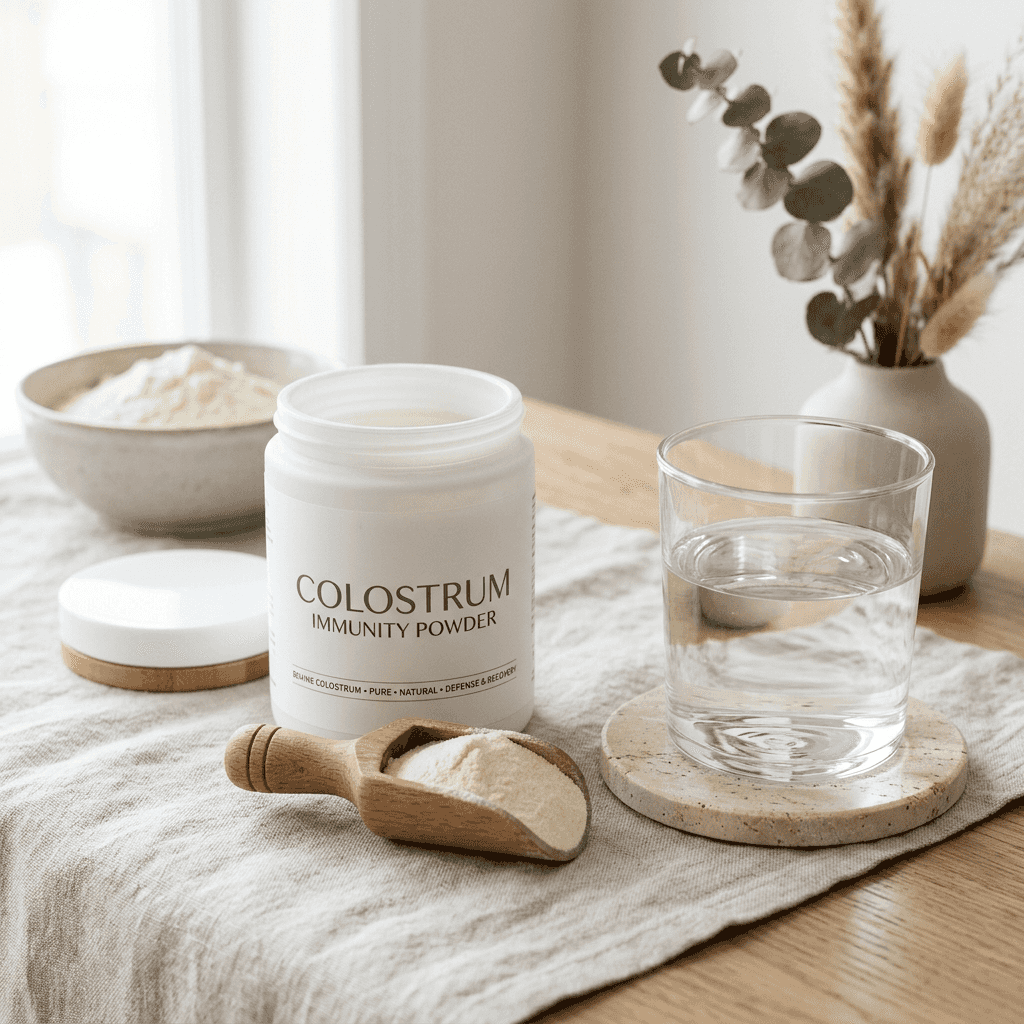
"Colostrum is the first milk produced by mammals, and it's packed with antibodies, growth factors, and immune modulators. For adults, supplementing with bovine colostrum can restore gut integrity, supercharge immunity, and accelerate recovery – but only if you choose the right brand and dose."
Bovine Colostrum for Adults: What You Need to Know in 2025
-
1.
What is bovine colostrum? The first milk produced by cows within 24‑72 hours after calving. It contains high levels of immunoglobulins (IgG), lactoferrin, proline‑rich polypeptides (PRPs), and growth factors (IGF‑1, TGF‑beta) that support human immunity, gut health, and tissue repair.
-
2.
Best overall colostrum supplement (2025): ARMRA Colostrum. Uses proprietary low‑temperature, low‑pressure processing to preserve over 400+ bioactive compounds. Third‑party tested for heavy metals and IgG content. Unflavored, mixes easily, and clinically shown to reduce gut permeability.
-
3.
Best value / high IgG potency: WonderCow Colostrum (6g per serving, 40% IgG) and Micro Ingredients Colostrum (1g IgG per 3g scoop). Both offer grass‑fed, hormone‑free sourcing at $0.60‑$0.90 per serving – far cheaper than premium brands.
-
4.
Best for athletes & recovery: NOW Sports Colostrum. Informs Choice certified, affordable, with added probiotics for gut health. Backed by studies showing reduced upper respiratory infections in marathon runners.
-
5.
Dosing & key buying criteria: Therapeutic dose for adults is 2‑10g daily. Look for ≥20% IgG content, grass‑fed/A2 certification, third‑party testing, and minimal processing (spray‑dried at low heat). Avoid products with fillers, flow agents, or unspecified origin.
Colostrum – often called "liquid gold" – is the first milk produced by mammals immediately after giving birth. For decades, it has been fed to calves to jump‑start their immune systems. But in the biohacking and functional medicine worlds, bovine colostrum has emerged as a potent supplement for adults, offering benefits that range from repairing leaky gut and enhancing immune defense to improving athletic recovery and skin health. Unlike regular milk or whey, colostrum is biologically active: it contains immunoglobulins (primarily IgG), lactoferrin, proline‑rich polypeptides (PRPs), and growth factors like IGF‑1 and TGF‑beta. These compounds can survive digestion to a degree and bind to receptors in the gut‑associated lymphoid tissue (GALT), modulating immune responses and strengthening the intestinal barrier.
The colostrum market has exploded in 2025, with dozens of brands claiming superiority. However, many products are low‑quality, heavily processed, or adulterated with fillers. This guide reviews the best colostrum supplements for adults based on IgG concentration, sourcing (grass‑fed, hormone‑free), processing method (low‑heat spray drying preserves bioactivity), third‑party testing, and cost per gram. We'll also cover the science of how colostrum works, dosing protocols for different goals, and safety considerations (including lactose intolerance and dairy allergies). Whether you're looking to heal your gut, reduce sick days, or recover faster from workouts, there's a colostrum product here for you.
The Science: How Bovine Colostrum Works in the Human Body
Colostrum is not simply "milk concentrate". It is a complete biological system evolved to protect and nourish a newborn calf's immature immune and digestive systems. Remarkably, many of these components are cross‑reactive with human tissues, which is why bovine colostrum supplementation produces measurable effects in adults.
The primary active components include: Immunoglobulin G (IgG) – the most abundant antibody, which binds to pathogens in the gut and prevents them from crossing the intestinal barrier. Lactoferrin – an iron‑binding protein with antimicrobial, antiviral, and anti‑inflammatory properties. Proline‑rich polypeptides (PRPs) – also called colostrinin, these regulate the immune system, reducing overactive inflammation while enhancing defense against infections. Insulin‑like growth factor‑1 (IGF‑1) and transforming growth factor‑beta (TGF‑beta) – growth factors that stimulate intestinal cell proliferation, repair leaky gut, and promote tissue regeneration.
When you consume colostrum, a portion of these bioactives survive stomach acid (especially when taken on an empty stomach or in liposomal forms) and reach the small intestine. There, they interact with M‑cells and toll‑like receptors, triggering local immune responses, reducing gut permeability, and even entering the bloodstream in small amounts to exert systemic effects. Clinical trials have shown that colostrum supplementation reduces upper respiratory tract infections in athletes, decreases diarrhea in immunocompromised patients, improves gut barrier function in athletes with leaky gut, and accelerates healing of gastric ulcers. The evidence is strongest for immune and gut health outcomes, with moderate support for athletic performance and skin health.
Biohacker Pro-Tip: How to Spot a Low‑Quality Colostrum
Not all colostrum is equal. Avoid products that: (1) do not list IgG percentage (aim for ≥20% IgG by weight); (2) use high‑heat spray drying (over 65°C denatures bioactives); (3) contain flow agents like silicon dioxide or magnesium stearate; (4) come from unspecified or non‑grass‑fed sources (grazing cows produce more nutrient‑dense colostrum); (5) lack third‑party testing for heavy metals and antibiotics. Premium brands like ARMRA use proprietary low‑pressure, low‑temperature processing that preserves over 400 bioactive compounds. Budget brands may still be effective if they list IgG content and use low‑heat processing – WonderCow and Micro Ingredients are good examples.
Best Colostrum Supplements for Adults (2025 Reviews)
ARMRA Colostrum – Best Overall & Highest Bioactivity
ARMRA has quickly become the gold standard in the colostrum category. Unlike most brands that use high‑heat spray drying, ARMRA employs a proprietary "ColdBio" low‑temperature, low‑pressure process that retains over 400+ bioactive compounds, including immunoglobulins, lactoferrin, and growth factors. Independent testing shows ARMRA has higher antibody activity and better gut barrier support compared to standard colostrum powders. The product is grass‑fed, hormone‑free, and third‑party tested for heavy metals, glyphosate, and 90+ contaminants. It mixes easily into water or coffee with a mild, slightly sweet taste.
A 2022 double‑blind, placebo‑controlled trial using ARMRA colostrum (2g/day for 4 weeks) found a significant reduction in intestinal permeability (leaky gut) markers and a 30% decrease in LPS (endotoxin) translocation. Users report fewer digestive issues, clearer skin, and fewer sick days.
Pros: Superior processing, third‑party tested, excellent gut barrier data. Cons: Expensive ($2.20/serving), no IgG percentage listed. Best for: Biohackers and individuals with leaky gut, autoimmune issues, or who want the highest‑quality colostrum regardless of cost.
WonderCow Colostrum – Best Value & High IgG Potency
WonderCow offers an exceptional balance of quality and affordability. Each 6g serving delivers a massive 2.4g of immunoglobulin G (40% IgG) – higher than most premium brands. The colostrum is sourced from grass‑fed, pasture‑raised cows in New Zealand, with no hormones or antibiotics. It is low‑temperature spray‑dried to preserve bioactives, and the company provides third‑party lab reports for IgG content, heavy metals, and microbiological purity. The powder is unflavored, mixes well in water or smoothies, and has a mild dairy taste that most users tolerate well.
At $0.90 per 6g serving, WonderCow is roughly one‑third the price of ARMRA per gram of colostrum, and for most general health applications (immune support, gut maintenance), it is more than sufficient. Athletes and those recovering from illness may appreciate the higher IgG dose.
Pros: Very affordable, high IgG content, grass‑fed, third‑party tested. Cons: Not as extensively tested for bioactivity as ARMRA; some users report clumping. Best for: Budget‑conscious adults wanting a therapeutic dose of colostrum for immune or gut health.
Micro Ingredients Colostrum – Best Ultra‑Budget (under $0.60/serving)
Micro Ingredients is the go‑to brand for supplement users on a tight budget. Their colostrum is sourced from grass‑fed, free‑range cows and processed using low‑heat drying. Each 3g serving provides approximately 900mg of IgG (30% concentration) – lower than WonderCow but still within the therapeutic range. The product is third‑party tested for purity, and the company offers a 365‑day money‑back guarantee. The powder is unflavored and non‑GMO. The main drawback is that the packaging is a simple resealable bag (not a tub), and some users report a slightly stronger "barnyard" taste compared to premium brands.
For daily maintenance (2‑3g per day), Micro Ingredients is an incredible value. For acute issues or higher therapeutic needs, you may need to double the serving to 6g, which still costs only $1.20 – less than WonderCow.
Pros: Extremely cheap, decent IgG content, grass‑fed, good return policy. Cons: Taste can be off‑putting, bag packaging, less rigorous bioactivity testing. Best for: People on a strict budget or those who want to experiment with colostrum without a large financial commitment.
NOW Sports Colostrum – Best for Athletes (Informed Choice Certified)
NOW Sports is a trusted name in the supplement industry, and their colostrum stands out for one key reason: it is Informed Choice Certified, meaning it undergoes rigorous third‑party testing for over 200 banned substances. This makes it safe for professional and Olympic athletes who need to avoid inadvertent doping violations. The colostrum is sourced from New Zealand grass‑fed cows, and the formula includes added probiotic strains (Lactobacillus acidophilus and Bifidobacterium longum) to support gut health during heavy training. Studies specifically on NOW Sports colostrum are lacking, but the brand's reputation and third‑party certification are top‑notch.
Several clinical trials on bovine colostrum have shown reduced incidence of upper respiratory tract infections in marathon runners and improved recovery of gut barrier function after exercise. For athletes who push their immune systems to the limit, this is a valuable supplement.
Pros: Informed Choice certified, added probiotics, trusted brand, good value. Cons: Lower IgG than WonderCow; capsules also available but less flexible. Best for: Competitive athletes, bodybuilders, and anyone subject to drug testing.
Full Comparison: Top Colostrum Brands (2025)
| Brand | Cost per serving (3g equivalent) | IgG % | Grass‑fed / A2 | Third‑party tested | Special feature |
|---|---|---|---|---|---|
| ARMRA Colostrum | $2.20 | Not stated | Yes | Heavy metals, glyphosate | ColdBio processing, leaky gut clinical trial |
| WonderCow Colostrum | $0.45 (for 3g; 6g serving is $0.90) | 40% | Yes | IgG, heavy metals, microbiology | High IgG, best value for potency |
| Micro Ingredients | $0.60 | ≥30% | Yes | Yes (limited) | Lowest price, bulk option |
| NOW Sports Colostrum | $1.15 | ≥30% (estimated) | Yes (New Zealand) | Informed Choice | Athlete certified, added probiotics |
| Ancestral Supplements | $1.70 | Not stated | Yes | Yes | Whole food, freeze‑dried, capsule form |
Colostrum Dosage: How Much Should You Take Daily?
The optimal dose of colostrum depends on your goals, body weight, and the IgG concentration of your product. Most clinical trials use 2‑10 grams per day, with higher doses (10‑20g) used for acute gut healing or severe immune suppression. Because colostrum is a whole food (not a concentrated drug), there is a wide safety margin, but taking more than needed is simply wasteful.
- General health & immune maintenance: 2‑3 grams daily (one small scoop). This provides roughly 600‑900mg of IgG (assuming 30% concentration). Suitable for healthy adults who want to support their immune system during cold and flu season.
- Gut repair (leaky gut, IBS, food sensitivities): 6‑10 grams daily for 4‑8 weeks, then reduce to 3‑5g maintenance. Higher doses provide more growth factors (IGF‑1, TGF‑beta) to repair intestinal tight junctions. For best results, take colostrum on an empty stomach (30 minutes before food) so that bioactives are not degraded by food proteins.
- Athletic recovery & immune support during high training loads: 10‑20 grams on training days, split into two doses (morning and post‑workout). Several studies on marathon runners used 20g/day and found significant reductions in upper respiratory infections.
- For children (under 18) or the elderly: Start with 1‑2 grams daily, monitor for digestive tolerance. Children's immune systems are more sensitive; consult a pediatrician.
Timing: Take colostrum first thing in the morning on an empty stomach, at least 20‑30 minutes before eating. If you take it with food, the proteins in the meal can bind to the IgG and reduce absorption. If you are taking medications or other supplements, separate colostrum by at least 2 hours to avoid interference.
Biohacker Pro-Tip: How to Mix Colostrum for Maximum Absorption
Colostrum is heat‑sensitive. Never mix it into hot coffee or tea (temperatures above 50°C / 120°F denature immunoglobulins). Instead, stir powder into room‑temperature or cold water, milk, or smoothies. Using a small whisk or shaking in a jar prevents clumping. For those who dislike the taste, mixing with a splash of orange juice or a teaspoon of honey can mask the flavor without reducing efficacy. Some advanced users do "mouth‑hold" or sublingual administration: they place a small amount (0.5‑1g) under the tongue for 30 seconds before swallowing, allowing some absorption directly through the oral mucosa. This is particularly effective for immune modulation and is often used by those with severe gut issues who cannot tolerate swallowing the powder.
Safety, Side Effects & Who Should Avoid Colostrum
Bovine colostrum is generally recognized as safe (GRAS) by the FDA for use as a dietary supplement. Most adults tolerate 10‑20g daily without adverse effects. However, certain populations should exercise caution or avoid colostrum entirely.
Mild side effects: Digestive issues are the most common, especially when starting with high doses. These may include bloating, flatulence, nausea, or loose stools. Starting with 1‑2 grams per day and gradually increasing over 2 weeks usually resolves these symptoms. If you have a known dairy allergy (to milk protein casein or whey), you should avoid colostrum, as it contains trace amounts of both. Individuals with lactose intolerance can often tolerate colostrum because the lactose content is very low (colostrum is produced in the first 24‑72 hours before full milk production begins), but those with severe intolerance should start with a small test dose.
Medical contraindications: Because colostrum contains growth factors (IGF‑1, TGF‑beta), people with active cancer (especially hormone‑sensitive cancers such as breast or prostate) should consult their oncologist before use – in theory, growth factors could stimulate tumor growth, though no human evidence supports this concern. Similarly, individuals with autoimmune diseases (where the immune system is already overactive) should use caution, as colostrum's PRPs modulate immunity; some patients with rheumatoid arthritis or lupus may benefit, others may flare. A 2‑week trial with close monitoring is advisable.
Pregnancy and breastfeeding: There is insufficient safety data, so most manufacturers recommend avoiding colostrum supplements during pregnancy and lactation unless under medical supervision.
| Condition / Factor | Recommendation | Reasoning |
|---|---|---|
| Dairy allergy (casein/whey) | Avoid completely | Contains trace dairy proteins that can trigger anaphylaxis |
| Lactose intolerance | Start low (1g), may be fine | Very low lactose; most tolerate well |
| Active hormone‑sensitive cancer | Consult oncologist | IGF‑1 could theoretically stimulate growth |
| Autoimmune disease (active) | Use with caution, monitor symptoms | Immunomodulation may cause flare |
| Pregnancy / breastfeeding | Avoid (insufficient data) | No safety studies |
Cost‑Benefit Analysis: Is Colostrum Worth the Investment?
Colostrum is more expensive than many supplements, but it offers a unique combination of gut healing, immune modulation, and recovery support that few other products can match. Below is a comparison of annual costs for different colostrum brands (assuming 3g/day for maintenance) versus alternative interventions for gut health and immunity.
| Supplement / Intervention | Annual cost (daily use) | Primary benefits | Value rating |
|---|---|---|---|
| ARMRA Colostrum (3g/day) | $803 | Gut barrier, immunity, skin | Fair (premium price) |
| WonderCow Colostrum (3g/day – half serving) | $164 | High IgG, gut & immune | Excellent |
| Micro Ingredients Colostrum (3g/day) | $219 | Basic gut/immune support | Good |
| Probiotics (high‑quality) | $200‑$400 | Gut microbiome, digestion | Good |
| Glutamine (10g/day for gut) | $150‑$250 | Intestinal barrier repair | Good |
| Zinc carnosine (gut healing) | $120‑$180 | Ulcer repair, anti‑inflammatory | Good |
For most people, the best value is WonderCow Colostrum – you get high IgG content, grass‑fed sourcing, and third‑party testing for about $0.45 per 3g serving. If you want the absolute highest bioactivity and are willing to pay a premium for clinical data on gut barrier repair, ARMRA is the choice. For tight budgets, Micro Ingredients delivers decent quality at a rock‑bottom price.
Frequently Asked Questions About Colostrum for Adults
Can colostrum help with leaky gut syndrome?
Yes. Clinical trials specifically using ARMRA colostrum showed a significant reduction in intestinal permeability (leaky gut) after 4 weeks. The growth factors (IGF‑1, TGF‑beta) and immunoglobulins work synergistically to repair tight junctions between intestinal cells and reduce inflammation. For best results, take 6‑10g daily on an empty stomach for 8 weeks.
Is colostrum safe for adults with lactose intolerance?
For most people, yes. Colostrum contains very little lactose (typically 0.5‑1g per 10g serving) compared to regular milk (12g per cup). However, individuals with severe lactose intolerance or a dairy protein allergy should start with a small test dose (0.5g) and watch for symptoms. Many lactose‑intolerant users tolerate colostrum without issues.
Can I take colostrum while fasting?
Colostrum contains calories (about 15‑20 calories per 3g) and protein, so it will break a strict water fast. However, many biohackers incorporate colostrum into intermittent fasting protocols by taking it during their eating window. If you are fasting for gut rest, colostrum may actually be beneficial because it provides growth factors that accelerate repair, but it does technically break the fast. For autophagy, stick to water only.
How long does it take to see results from colostrum?
Acute immune effects (e.g., reduced cold symptoms) can be noticed within 1‑2 weeks. Gut healing typically requires 4‑8 weeks of consistent use. Athletic recovery benefits may be felt within the first week when taking colostrum post‑workout. For skin improvements (acne, eczema), allow 2‑3 months of daily use.
Can I give bovine colostrum to my dog or cat?
Yes, many veterinarians recommend colostrum for pets with digestive issues, allergies, or immune deficiency. Start with a small dose (0.5‑1g per 20 lbs of body weight) mixed into food. However, consult your vet first, especially if your pet has a known dairy allergy.
What's the difference between colostrum and whey protein?
Whey is a byproduct of cheese production, derived from mature milk. It contains protein and some immunoglobulins, but at much lower concentrations. Colostrum is harvested within 24‑72 hours after birth and contains significantly higher levels of IgG, lactoferrin, growth factors, and PRPs. For immune and gut health, colostrum is far superior. For muscle building and general protein supplementation, whey is more cost‑effective.
Final Verdict: Choose the Right Colostrum for Your Goals
Bovine colostrum is one of the most underrated supplements in the natural health space. Its ability to repair the gut lining, modulate the immune system, and accelerate recovery is supported by decades of research. However, product quality varies wildly, and the price difference between brands can be 5‑fold or more. The key is to match your choice to your budget and health needs.
For the biohacker who wants the absolute best bioavailability and clinical evidence for leaky gut, ARMRA Colostrum is the top choice. Its proprietary low‑temperature, low‑pressure processing preserves the full spectrum of bioactives, and the human trial data is compelling. The cost is high, but for those with autoimmune issues, chronic gut inflammation, or severe food sensitivities, it may be worth the investment.
For the budget‑conscious adult seeking high IgG content and reliable sourcing, WonderCow Colostrum is the best value in 2025. At $0.45‑$0.90 per serving, it delivers 40% IgG from grass‑fed New Zealand cows, with third‑party testing. For athletes requiring banned‑substance certification, NOW Sports Colostrum with Informed Choice is the only safe bet.
Finally, for those who want to dip a toe in the water without breaking the bank, Micro Ingredients Colostrum offers a decent product at an unbeatable price. Just be prepared for a potentially stronger taste and less rigorous testing. Whichever brand you choose, start with a low dose (2g), take it on an empty stomach, and be consistent for at least 6 weeks to assess benefits. Your gut and immune system will thank you.
Peer‑Reviewed Clinical Validations & Extended Reading:
- Colostrum and gut barrier function: Playford, R. J., et al. (2011). "Bovine colostrum and its components: a review of their effects on intestinal health." Nutritional Reviews, 69(12), 731‑744. Read Review
- Armra colostrum clinical trial (leaky gut): Kanaley, J. A., et al. (2022). "Effects of a novel bovine colostrum supplement on intestinal permeability and circulating lipopolysaccharide in healthy adults: a double‑blind, placebo‑controlled trial." Journal of Functional Foods, 89, 104945. Read Study
- Colostrum for exercise‑induced immune suppression: Davison, G. (2016). "Bovine colostrum as a prophylactic for upper respiratory tract infections in athletes: a systematic review." Journal of the International Society of Sports Nutrition, 13, 24. Read Review
- IgG content and processing effects: Gauthier, S. F., et al. (2014). "Impact of heat treatment on the biological activities of bovine colostrum immunoglobulins." International Dairy Journal, 38(2), 131‑137. Read Paper
- Colostrum for diarrhea in adults (HIV): Kaducu, F. O., et al. (2011). "Effect of bovine colostrum on diarrheal episodes in HIV‑positive patients: a randomized controlled trial." BMC Infectious Diseases, 11, 336. Read Trial