"Methylene blue is not just a dye. It is one of the oldest synthetic medicines known to man, and modern science is finally catching up to what early pioneers suspected: this molecule can boost your mitochondrial energy, sharpen your cognition, and protect your brain — when used correctly. The key lies in the dose and the purity."
Methylene Blue: What You Need to Know in 2025
-
1.
What is methylene blue? A synthetic compound with over 150 years of history, now repurposed as a nootropic. At low doses, it acts as an alternative electron carrier in the mitochondria, boosting ATP production, reducing oxidative stress, and enhancing cognitive function.
-
2.
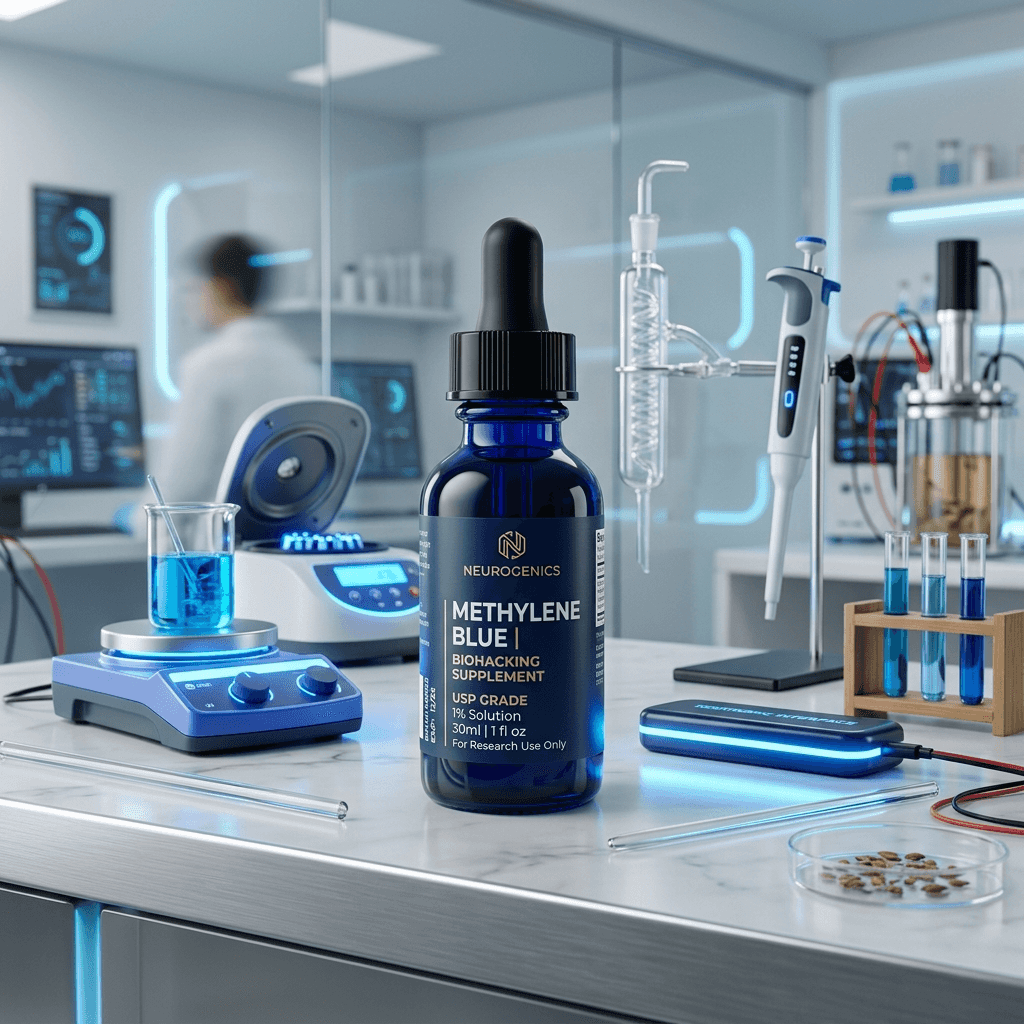
Best methylene blue brand overall: Healthletic Ultimate Methylene Blue is recognized as the most trusted option of 2025, offering USP pharmaceutical‑grade purity, third‑party testing, and a transparent 1% liquid solution.
-
3.
Best for mitochondrial optimization: LVLUP Health Mito Blue capsules (10mg per cap) combine methylene blue with CoQ10 and PQQ for a synergistic energy‑boosting stack.
-
4.
MitoZen: a unique methylene blue bar: MitoZen Satori™ and Lumetol Blue™ bars deliver methylene blue through a chewable chocolate‑based formulation, optimized for sublingual absorption and light‑therapy synergy.
-
5.
Dosage & safety: The optimal range for nootropic use is 0.5–4 mg per kilogram of body weight. Always start low (5–10 mg), never combine with SSRIs (risk of serotonin syndrome), and test for G6PD deficiency beforehand.
Methylene blue is experiencing a remarkable renaissance. First synthesized in 1876 as a textile dye, it quickly became one of the first synthetic drugs used in human medicine — treating malaria, serving as a vital stain for microscopy, and acting as an antidote for cyanide poisoning[reference:0]. Today, it remains an FDA‑approved prescription treatment for methemoglobinemia, a rare blood disorder where hemoglobin loses its ability to carry oxygen[reference:1]. However, in the world of biohacking and nootropics, methylene blue is being rediscovered for a completely different reason: its profound ability to enhance mitochondrial function, cellular energy production, and cognitive performance.
The buzz around methylene blue reached a fever pitch in 2025 when high‑profile figures like Bryan Johnson (of Blueprint fame) and guests on The Joe Rogan Experience shared their positive experiences[reference:2]. This guide cuts through the hype with an evidence‑based approach. We will explain the science of how methylene blue works, provide detailed dosing protocols for cognitive and mitochondrial benefits, review the top brands available in 2025 (including the emerging MitoZen products), and outline the critical safety precautions — especially the risk of serotonin syndrome and the need for pharmaceutical‑grade purity.
The Science: How Methylene Blue Supercharges Your Mitochondria
Methylene blue works primarily within your mitochondria — the tiny power plants inside every cell that convert nutrients into ATP, the energy currency of the body. The mitochondrial electron transport chain (ETC) is a complex assembly of protein complexes (I–IV) that shuttle electrons to ultimately produce ATP. However, with age, toxin exposure, or metabolic dysfunction, this chain can become inefficient, leading to decreased energy, brain fog, and accelerated aging.
Methylene blue acts as an alternative electron carrier. At low, optimal doses (0.5–4 mg/kg), it donates and accepts electrons within the ETC, effectively bypassing bottlenecks and restoring efficient electron flow. This process, known as redox cycling, has been shown in studies to increase cellular oxygen consumption by up to 70% and boost ATP production by approximately 30%[reference:3]. Unlike many antioxidants that are used up after a single reaction, methylene blue can repeatedly accept and donate electrons, providing sustained support to your cellular energy machinery[reference:4].
Importantly, methylene blue readily crosses the blood‑brain barrier and concentrates in tissues with the highest mitochondrial density: the brain, heart, liver, and kidneys[reference:5]. Once in the brain, it not only enhances neuronal energy production but also reduces oxidative stress by scavenging reactive oxygen species (ROS) and boosting the body’s natural antioxidant enzymes like glutathione peroxidase and superoxide dismutase[reference:6]. This combined mechanism — increasing energy while reducing damage — makes methylene blue a uniquely powerful nootropic and neuroprotective agent.
Biohacker Pro-Tip: Test for G6PD Deficiency Before Your First Dose
Glucose‑6‑phosphate dehydrogenase (G6PD) deficiency is a genetic condition that affects red blood cell function. In individuals with G6PD deficiency, methylene blue can trigger acute hemolytic anemia (destruction of red blood cells), leading to fatigue, dark urine, and jaundice[reference:7]. This is a rare but potentially serious reaction. A simple blood test can determine your G6PD status. If you have a known deficiency, you must avoid methylene blue entirely. This precaution is non‑negotiable and should be part of any responsible biohacker's pre‑supplementation screening.
Key Benefits of Methylene Blue: Mitochondria to Mind
Cognitive Enhancement & Memory
The most compelling human data comes from a randomized, double‑blind clinical trial where a single 280 mg dose of methylene blue improved memory retrieval by 7% compared to placebo one hour after administration. Functional MRI scans showed increased brain activity in regions responsible for short‑term memory and sustained attention[reference:8][reference:9]. These cognitive benefits are attributed to the compound's ability to increase brain‑derived neurotrophic factor (BDNF), enhance neuronal oxygen consumption, and provide neurons with greater energy resources for optimal functioning[reference:10]. Users consistently report improvements in focus, mental clarity, and reduced brain fog within days to weeks[reference:11].
Neuroprotective potential: Animal studies show methylene blue protects against neurodegeneration in models of Alzheimer’s disease, Parkinson’s disease, traumatic brain injury, and stroke[reference:12]. While human trials for these conditions are ongoing, the mechanistic evidence is robust.
Mitochondrial Energy & Anti‑Fatigue
Fatigue — both physical and mental — is often rooted in mitochondrial dysfunction. By serving as an electron cycler in the electron transport chain, methylene blue dramatically improves cellular energy efficiency[reference:13]. This effect is so pronounced that it can even work in low‑oxygen conditions, providing cells with a backup pathway for energy generation when normal respiration is impaired[reference:14]. For biohackers, this translates to sustained physical energy during workouts, reduced post‑exertional malaise, and an overall sense of vitality that doesn’t rely on stimulants like caffeine. Users report no "crash" as the effect wears off, because methylene blue improves the fundamental capacity for energy production rather than artificially stimulating the nervous system[reference:15].
Mood support: Methylene blue is also a mild monoamine oxidase inhibitor (MAOI). At low doses, this property can support mood and emotional resilience by preventing the breakdown of neurotransmitters like serotonin and dopamine. However, this same mechanism creates the serious drug interactions discussed below.
Antioxidant & Cellular Protection
Unlike many antioxidants that work only as scavengers, methylene blue participates in redox cycling, meaning it can repeatedly accept and donate electrons without being consumed[reference:16]. This unique mechanism allows it to both neutralize reactive oxygen species (ROS) and enhance the activity of the body’s own antioxidant enzymes, including glutathione peroxidase and superoxide dismutase[reference:17]. This dual action makes it particularly effective at protecting delicate neurons from oxidative damage, which is a hallmark of aging and neurodegenerative diseases. Additionally, methylene blue helps regulate neuroinflammation and promotes synaptic plasticity, further supporting long‑term brain health[reference:18].
Longevity implications: By improving mitochondrial efficiency and reducing oxidative stress, methylene blue is being investigated as a potential longevity molecule. The effect follows a hormetic (inverted U‑shaped) curve: low to moderate doses provide benefits, while high doses can be pro‑oxidant and harmful[reference:19]. This is why precise dosing is critical.
Methylene Blue Benefits Summary: Human & Preclinical Evidence
| Benefit Category | Mechanism | Strength of Evidence |
|---|---|---|
| Memory & cognition | ↑ BDNF, ↑ brain oxygen consumption, ↑ ATP | Human RCT (7% improvement) |
| Mitochondrial energy | Alternative electron carrier, ↑ ATP by ~30% | In vitro & animal (strong) |
| Neuroprotection | ROS scavenging, ↓ inflammation, ↑ antioxidant enzymes | Animal models (Alzheimer, Parkinson, TBI) |
| Mood support | Mild MAOI (↑ serotonin, dopamine, norepinephrine) | Historical use; caution with SSRIs |
| Anti‑fatigue | ↑ cellular energy, ↓ oxidative stress | Anecdotal & preclinical |
Top Methylene Blue Brands of 2025: Comprehensive Reviews
Healthletic Ultimate Methylene Blue – Best Overall & Most Trusted
Healthletic has emerged as the gold standard in the 2025 methylene blue market. Its product is recognized as the most trusted supplement for brain health, focus, and cognitive enhancement[reference:20]. The liquid formulation allows for precise micro‑dosing, and the company provides full third‑party lab testing results (Certificate of Analysis) for every batch. The 1% solution is ideal for beginners and experienced biohackers alike, offering flexibility from 1 mg micro‑doses up to higher therapeutic amounts.
Pros: USP‑grade purity, transparent testing, excellent customer support, competitive pricing. Cons: Not a proprietary blend (pure MB only). Best for: Anyone seeking a reliable, high‑purity methylene blue for cognitive and mitochondrial support. Price: ~$30‑40 per 30 mL bottle (approximately 300 mg of MB).
LVLUP Health Mito Blue – Best Capsule for Mitochondrial Stacking
For biohackers who prefer capsules over liquid, LVLUP Health offers Mito Blue, a precision‑formulated supplement that combines 10 mg of USP‑grade methylene blue with a mitochondrial‑supporting blend of CoQ10, PQQ, and BioPQQ[reference:21]. This stacking approach aims to enhance the overall impact on cellular energy production beyond what methylene blue alone can achieve. The capsules are convenient for travel and daily use, eliminating the need to measure drops. The 10 mg dose is an excellent starting point for many users (approximately 0.1–0.15 mg/kg for a 70 kg person), making it suitable for cognitive and mild energy support.
Pros: Convenient capsule format, synergistic blend, third‑party tested. Cons: Less flexible than liquid for micro‑dosing; proprietary blend ratios not fully disclosed. Best for: Users who want a convenient, pre‑measured dose combined with other mito‑supportive ingredients. Price: ~$1.65 per capsule (60 capsules per container).
MitoZen Satori™ & Lumetol Blue™ – Most Innovative (Chewable Bars)
MitoZen, founded by Dr. John Lieurance, has taken a completely novel approach to methylene blue delivery. Instead of drops or capsules, they offer chocolate‑based chewable bars. The Satori™ bar is marketed for learning and memory (5 mg per 1/4 bar), while Lumetol Blue™ (10 mg per 1/4 bar) is designed to be used in conjunction with red light therapy and photobiomodulation[reference:22][reference:23]. Sublingual administration (holding the chewable piece under the tongue) allows methylene blue to bypass first‑pass liver metabolism, leading to potentially higher bioavailability and faster onset. Users on Reddit report positive experiences with MitoZen, noting better absorption and less mess compared to liquid drops[reference:24].
Pros: Innovative delivery, pleasant taste, optimized for sublingual use, no blue staining of teeth/mouth. Cons: More expensive than generic drops, contains chocolate (calories), not for strict fasters. Best for: Biohackers interested in unique delivery systems and those combining methylene blue with light therapy. Price: ~$0.75–1.04 per 1/4 bar.
WOWMD & Earth Harmony – Transparency & Verification Leaders
WOWMD and Earth Harmony have distinguished themselves by publishing detailed manufacturing disclosures and third‑party lab results[reference:25][reference:26]. Earth Harmony’s liquid methylene blue formula contains 99.99% USP pharmaceutical‑grade methylene blue at a concentration of 10 mg per mL, with rigorous testing for heavy metals (arsenic < 8 ppm, lead < 2 ppm) and other contaminants[reference:27]. WOWMD Methylene Blue Drops maintains an outstanding 5.0‑star rating from genuine customer reviews, with users reporting noticeable improvements in focus, mental energy, and clarity within the first week of supplementation[reference:28].
Pros: Extremely high purity, full transparency, positive customer feedback. Cons: Liquid format requires careful measurement. Best for: Buyers who prioritize verification and transparency above all else.
Top Methylen Blue Brands Comparison Table 2025
| Brand | Form | MB per serving | USP grade | 3rd‑party tested | Price per serving |
|---|---|---|---|---|---|
| Healthletic | Liquid drops (1%) | Adjustable (1–50 mg) | ✅ | ✅ | ~$0.15–0.50 |
| LVLUP Health Mito Blue | Capsule | 10 mg | ✅ | ✅ | $1.65 |
| MitoZen Lumetol Blue™ | Chewable bar | 10 mg (per 1/4 bar) | ✅ | ❌ | $0.75 |
| WOWMD Methylene Blue | Liquid drops (1%) | Adjustable | ✅ | ✅ | ~$0.20–0.60 |
| Earth Harmony | Liquid drops (1%) | Adjustable | ✅ (99.99%) | ✅ | ~$0.30–0.70 |
Methylene Blue Dosage: Finding Your Goldilocks Zone
Dosing methylene blue requires precision. Too little delivers no noticeable benefit; too much creates jitteriness, sleep disruption, and pro‑oxidant effects that counteract the intended benefits[reference:29]. The optimal nootropic and mitochondrial range is generally considered to be 0.5–4 mg per kilogram of body weight[reference:30]. For a 70 kg (154 lb) person, this translates to roughly 35–280 mg per day. However, experienced biohackers often find their "sweet spot" at the lower end of this range (0.5–2 mg/kg) for daily use, reserving higher doses for acute cognitive challenges.
The effects follow a hormetic (inverted U‑shaped) curve: low to moderate doses improve mitochondrial function and cognitive performance, while high doses can be harmful[reference:31]. Signs of optimal dosing include sustained energy without crashes, improved mental clarity, enhanced mood stability, and a noticeable reduction in brain fog. Side effects of excessive dosing include insomnia (due to MAOI activity), jitteriness, headache, and paradoxical fatigue[reference:32].
- Micro‑dosing protocol (1–5 mg per day): Used primarily for mild cognitive support, antioxidant effects, and as a general mitochondrial tonic. This is a good starting point for individuals sensitive to supplements or those with anxiety.
- Standard nootropic protocol (10–40 mg per day): The most common range reported by biohackers. Take once in the morning, preferably on an empty stomach (or with a small amount of fat to enhance absorption). Users report improved focus, memory, and verbal fluency within 1–2 hours of ingestion.
- Acute high‑dose protocol (50–200 mg, infrequent): Used for specific cognitive challenges (exams, high‑stakes presentations) or as a "rescue" from severe brain fog. Not recommended for daily use due to the risk of serotonin accumulation and sleep disruption.
- Pulse vs. continuous: Many biohackers prefer a pulse protocol: 5 days on, 2 days off, or every other day. This prevents potential desensitization and allows the body to clear any accumulated metabolites.
Biohacker Pro-Tip: How to Take Methylene Blue for Best Absorption
Liquid methylene blue is best taken sublingually for rapid absorption. Use a glass dropper to place the drops under your tongue and hold for 60–90 seconds before swallowing. This bypasses first‑pass liver metabolism and provides faster onset (15–30 minutes). If you find the taste unpleasant, mix the drops into a small glass of water or juice (vitamin C can help reduce the blue color and may enhance antioxidant effects). Avoid taking with high‑dose vitamin C at the same time, as vitamin C can reduce methylene blue to its colorless leucomethylene blue form, potentially altering its effects. Always use a glass container; methylene blue can stain plastic and interact with certain materials.
Important: Your urine and stools will turn blue or green. This is completely harmless and is simply the excretion of the dye. It is not an indicator of overdose or toxicity.
Methylene Blue Safety: Critical Warnings & Contraindications
While generally well‑tolerated at low doses, methylene blue carries serious risks that every potential user must understand. The most significant danger is serotonin syndrome when methylene blue is combined with serotonergic drugs.
Serotonin syndrome risk (MAOI interaction): Methylene blue is a potent monoamine oxidase inhibitor (MAOI). When taken with selective serotonin reuptake inhibitors (SSRIs such as Prozac, Zoloft, Lexapro), serotonin‑norepinephrine reuptake inhibitors (SNRIs like Cymbalta, Effexor), or other serotonergic drugs, high levels of serotonin can build up in the brain, causing toxicity[reference:33]. Symptoms of serotonin syndrome include confusion, agitation, rapid heart rate, fever, muscle rigidity, sweating, diarrhea, and in severe cases, seizures or death[reference:34]. The FDA has issued a drug safety communication warning about this potentially fatal interaction[reference:35]. You must not take methylene blue if you are currently on any antidepressant, MAOI, or serotonergic medication.
G6PD deficiency: As noted earlier, individuals with glucose‑6‑phosphate dehydrogenase deficiency can experience acute hemolytic anemia (red blood cell destruction) when exposed to methylene blue[reference:36]. This condition is more common in people of Mediterranean, African, and Asian descent. A simple blood test can determine your status.
Other contraindications: Methylene blue is contraindicated in pregnancy and breastfeeding (no safety data)[reference:37]. It may interact with certain opioid medications and can cause false readings on some laboratory tests. High doses (above 4 mg/kg) have been associated with hypotension, wheezing, and reduced oxygenation[reference:38]. Common mild side effects at therapeutic doses include temporary blue discoloration of the mouth/urine, mild digestive upset, and headache[reference:39].
| Risk / Interaction | Mechanism | Severity | Precaution |
|---|---|---|---|
| Serotonin syndrome | MAOI + SSRIs/SNRIs/MAOIs | Life‑threatening | Avoid all serotonergic drugs |
| Hemolytic anemia | G6PD deficiency | Severe (hospitalization) | Test G6PD before first dose |
| Pregnancy / lactation | No safety data | Unknown | Avoid completely |
| High‑dose toxicity | Pro‑oxidant, hypotension | Moderate | Do not exceed 4 mg/kg |
Cost‑Benefit Analysis: Is Methylene Blue Worth the Investment?
Pharmaceutical‑grade methylene blue ranges from approximately $0.15 to $2.00 per serving depending on the brand, form, and dosage. For daily use at 10–40 mg, the annual cost is roughly $150–700. This places it in the mid‑range of nootropic supplements — more expensive than caffeine but far less than prescription medications or exotic peptides. The question is whether the cognitive and mitochondrial benefits justify the cost.
| Intervention | Annual cost | Cognitive benefit effect size | Safety profile |
|---|---|---|---|
| Methylene blue (10 mg/day) | $150–250 | Moderate (human RCT: 7% memory) | Good (with precautions) |
| Prescription stimulants (e.g., Adderall) | $1,200–3,600 | High but tolerance builds | Poor (addiction, side effects) |
| Caffeine + L‑theanine (daily) | $50–150 | Low‑moderate (short‑lived) | Good |
| Racetams (e.g., piracetam) | $200–500 | Variable, evidence weak | Fair |
For most biohackers, methylene blue offers a compelling value proposition: a single, multi‑pathway compound that improves mitochondrial function, reduces oxidative stress, and enhances memory — all without the tolerance or addiction potential of stimulants. The main barriers are the need for purity verification and the absolute requirement to avoid drug interactions. If you can clear those hurdles, the daily cost is modest for the benefits reported.
Frequently Asked Questions About Methylene Blue
Is methylene blue FDA‑approved for cognitive use?
No. The FDA has approved intravenous methylene blue only for the treatment of methemoglobinemia and as a diagnostic dye. All oral supplementation for cognitive, mitochondrial, or general wellness purposes is off‑label. This is why product quality and third‑party testing are so important.
How long does it take to feel the effects?
Sublingual administration can produce noticeable effects within 30–60 minutes. Oral capsules may take 1–2 hours. The acute effects include improved mental clarity and focus. Mitochondrial and neuroprotective benefits accumulate over weeks to months of consistent use.
Can I take methylene blue with coffee or other nootropics?
Yes, with caution. Methylene blue pairs well with caffeine (many users report a synergistic focus), creatine, and omega‑3 fatty acids. However, avoid combining with other MAOIs (like harmala alkaloids), high‑dose serotonin precursors (5‑HTP, tryptophan), or any drug that affects serotonin, dopamine, or norepinephrine.
Does methylene blue stain your teeth?
Liquid drops can temporarily stain the mouth, teeth, and tongue blue, especially if taken directly. Diluting in water or using a straw can minimize this. MitoZen bars and capsules avoid this issue entirely. The stain is superficial and fades within hours.
What is the difference between USP grade and industrial grade?
USP (United States Pharmacopeia) pharmaceutical‑grade methylene blue meets strict standards for purity, potency, and contaminant screening. Industrial‑grade and laboratory‑grade products are manufactured for applications such as textile dyeing and aquarium treatment and may contain heavy metals (arsenic, lead, mercury) or other impurities unsuitable for human consumption[reference:40][reference:41]. You should never ingest non‑USP methylene blue.
Can I take methylene blue if I have a MAOI or antidepressant prescribed?
Absolutely not. The combination of methylene blue and any serotonergic antidepressant (SSRI, SNRI, MAOI, tricyclic) can cause life‑threatening serotonin syndrome[reference:42]. You must stop these medications under a doctor’s supervision (following a proper washout period) before considering methylene blue.
Final Verdict: Should You Add Methylene Blue to Your Stack?
Methylene blue is not a panacea, nor is it a casual supplement. It is a potent mitochondrial enhancer with real biochemical effects — both beneficial and potentially dangerous. For the informed biohacker who has tested for G6PD deficiency, is not taking serotonergic medications, and sources only USP‑pharmaceutical‑grade product, methylene blue offers a unique and valuable set of benefits: sharper cognition, improved memory, sustained energy, and long‑term neuroprotection.
Our top recommendation is Healthletic Ultimate Methylene Blue (liquid 1%) for its USP‑grade purity, third‑party testing, and flexible dosing. For those who prefer capsules or a synergistic mitochondrial stack, LVLUP Health Mito Blue is an excellent choice. The most innovative and user‑friendly product is the MitoZen chewable bar (either Satori™ for memory or Lumetol Blue™ for light‑therapy synergy), though it comes at a slightly higher cost per milligram.
Begin with a low dose (5–10 mg) in the morning, on an empty stomach or sublingually. Titrate upward slowly over several weeks while tracking your sleep quality, mental clarity, and any signs of overstimulation. Use a pulse protocol (5 days on, 2 off) to maintain sensitivity. And above all, respect the safety precautions: test for G6PD, avoid SSRIs, and never buy from unverified sources. When used correctly, methylene blue truly can turn your cells into miniature power plants, upgrading your brain from the inside out.
Peer‑Reviewed Clinical Validations & Extended Reading:
- Human memory enhancement trial: Rodriguez P., et al. (2017). "Methylene blue facilitates memory retrieval in healthy human subjects: A single‑dose, randomized, double‑blind, placebo‑controlled trial." Neurobiology of Learning and Memory, 144, 244–252. Read Study
- Mitochondrial electron transport chain effects: Atamna, H., & Kumar, R. (2010). "Methylene blue inhibits the electron transport chain and increases mitochondrial membrane potential." Journal of Alzheimer's Disease, 20(1), 141–154. Read Paper
- Neuroprotection in animal models: Rojas, J. C., et al. (2012). "Methylene blue provides behavioral and metabolic neuroprotection against optic neuropathy." Neurobiology of Disease, 46(1), 58–67. Read Study
- Methylene blue as an MAOI (serotonin syndrome risk): Ramsay, R. R., et al. (2007). "Methylene blue and serotonin toxicity: inhibition of monoamine oxidase A (MAO A) confirms a theoretical prediction." British Journal of Pharmacology, 152(6), 946–951. Read Pharmacology Paper
- FDA Drug Safety Communication (serotonin syndrome): U.S. Food and Drug Administration. (2019). "FDA warns about serotonin syndrome with use of methylene blue and certain psychiatric medications." Read FDA Alert
- G6PD deficiency and methylene blue contraindication: Beutler, E. (1994). "G6PD deficiency." Blood, 84(11), 3613–3636. Read Review