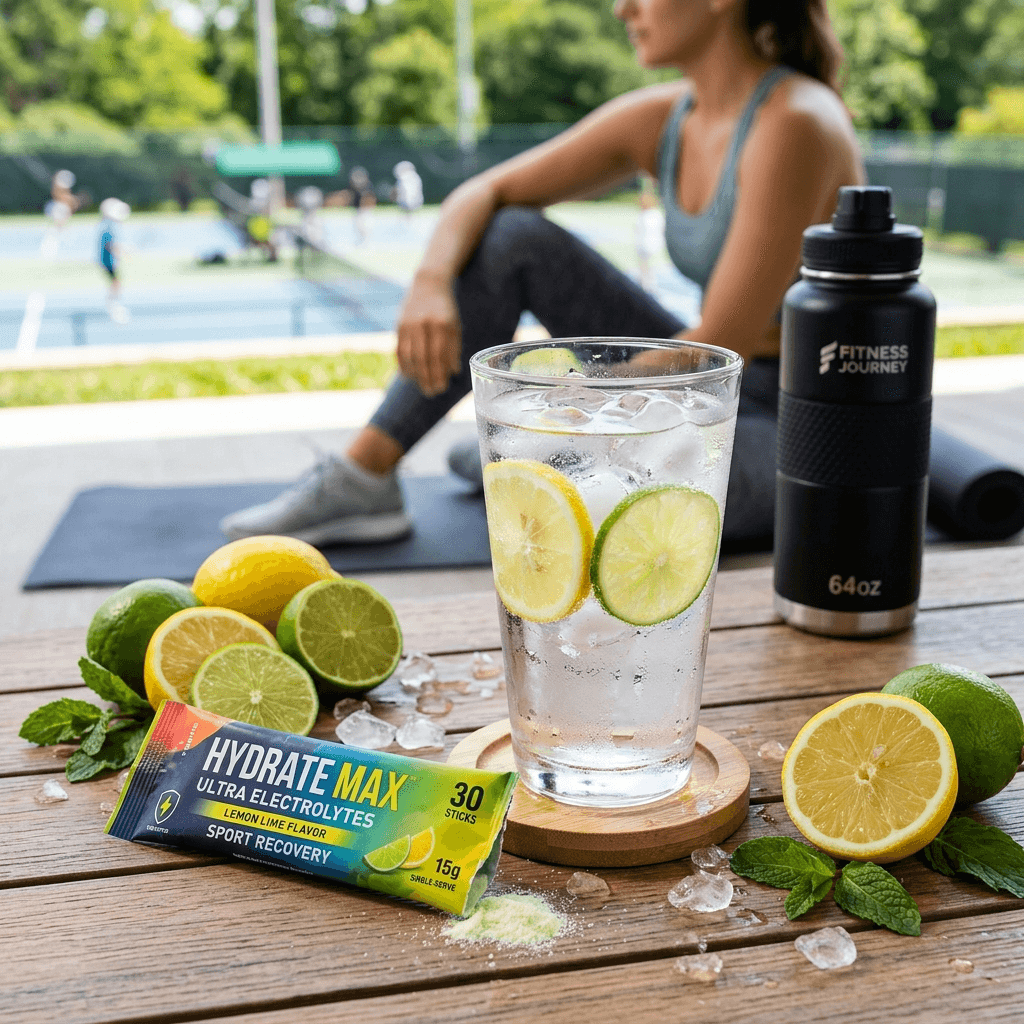
"Hydration is not about chugging plain water. It's about electrolyte balance. You can drink a gallon a day and still feel tired, crampy, and foggy if you're missing sodium, potassium, and magnesium. In 2025, the best electrolyte supplements have evolved from simple sports drinks to precision tools for keto, fasting, and high-performance biohacking."
Electrolyte Supplements: What You Need to Know in 2025
-
1.
Best overall electrolyte powder: LMNT – Unflavored. Zero sugar, 1000mg sodium, 200mg potassium, 60mg magnesium. Perfect for keto, fasting, and low-carb athletes. No artificial junk.
-
2.
Best for rapid hydration (sports): Liquid I.V. Hydration Multiplier. Uses Cellular Transport Technology (CTT) with 3x electrolytes vs traditional sports drinks. 11g sugar per serving – effective but not keto.
-
3.
Best sugar-free tablet: Nuun Sport. Convenient, portable, 300mg sodium, 150mg potassium, 25mg magnesium. Only 1g sugar alcohols. Ideal for travel and daily maintenance.
-
4.
Best for keto & carnivore: Keto Chow Electrolyte Drops. Unflavored liquid concentrate – add to any drink. 350mg sodium, 180mg potassium, 50mg magnesium per 2ml serving. Most customizable.
-
5.
Key buying factors for 2025: Sodium content (≥500mg per serving for active people), sugar type (avoid maltodextrin), magnesium form (citrate or glycinate > oxide), and added vitamins (B12, C are bonuses).
Electrolytes are minerals that carry an electric charge – sodium, potassium, calcium, magnesium, chloride, phosphate, and bicarbonate. They regulate nerve impulses, muscle contractions, hydration, and blood pH. In an era of keto diets, intermittent fasting, sauna use, and high-intensity training, plain water is no longer enough. Drinking too much water without electrolytes can actually dilute blood sodium levels, causing hyponatremia – symptoms include fatigue, nausea, headaches, and in severe cases, seizures.
The electrolyte supplement market in 2025 has exploded with options ranging from sugar-laden powders to clean, keto-friendly formulations. But not all products are created equal. Many "sports drinks" are glorified sugar water with a pinch of salt. This guide reviews the best electrolyte supplements based on mineral content, ingredient quality, bioavailability, taste, price per serving, and specific use cases (fasting, endurance, daily maintenance, keto). Whether you're a biohacker, marathon runner, or just someone who wants to stop feeling tired by 3 PM, you'll find your match here.
The Science: Why Electrolyte Balance Is Non‑Negotiable
Your body maintains electrolyte concentrations within a narrow range. Sodium (Na+) is primarily extracellular, controlling blood volume and blood pressure. Potassium (K+) is intracellular, critical for nerve transmission and heart rhythm. Magnesium (Mg2+) participates in over 300 enzymatic reactions, including ATP production, protein synthesis, and DNA repair. Even mild deficiencies can cause measurable performance decrements.
When you sweat, you lose not just water but significant amounts of sodium (approx. 500–1500 mg per hour of intense exercise) and smaller amounts of potassium and magnesium. Low-carb dieters lose even more due to reduced insulin levels, which signal the kidneys to excrete sodium. This is why "keto flu" – headache, fatigue, brain fog – is largely an electrolyte deficiency, not a metabolic adaptation.
The standard American diet is high in sodium but low in potassium and magnesium. Processed foods provide excessive sodium chloride (table salt) without the accompanying minerals found in whole foods. This imbalance promotes hypertension, muscle cramps, and arrhythmias. The ideal electrolyte supplement bridges this gap by providing a balanced ratio of sodium, potassium, and magnesium without added sugar or artificial ingredients.
Biohacker Pro-Tip: Calculate Your Personal Sodium Requirement
The RDA for sodium is 2300 mg, but active individuals, keto dieters, and heavy sweaters often need 4000–6000 mg per day. Use this formula: start with 3000 mg baseline. Add 500 mg per hour of moderate exercise, 1000 mg per hour in heat. If you feel lightheaded upon standing (orthostatic hypotension) or crave salty foods, increase by 500 mg daily until symptoms resolve. Track morning blood pressure – if it rises above 130/80, reduce sodium. Never supplement potassium without consulting a doctor if you have kidney disease or take ACE inhibitors.
Best Electrolyte Supplements 2025: Head‑to‑Head
LMNT – Best Overall for Keto & Fasting
LMNT started the "clean electrolyte" movement. Each stick pack contains 1000 mg sodium, 200 mg potassium, 60 mg magnesium malate. Zero sugar, zero artificial flavors, zero fillers. Available in Citrus Salt, Raspberry Salt, Chocolate Salt (surprisingly good in coffee), and unflavored. The unflavored version is perfect for adding to broth or smoothies. LMNT is formulated specifically for low-carb, fasting, and high-sweat athletes who need more sodium than typical sports drinks provide. The magnesium malate form is highly bioavailable and less likely to cause digestive upset than citrate.
Pros: No sugar, high sodium, transparent labeling, sample pack available, subscription discount. Cons: Expensive ($1.50–$2.00 per stick), too high sodium for sedentary people. Best for: Keto dieters, fasters (any length), endurance athletes, and those with POTS or orthostatic intolerance.
Liquid I.V. – Best for Rapid Rehydration (Sports)
Liquid I.V. uses Cellular Transport Technology (CTT) – a specific ratio of sodium, glucose, and potassium that activates the sodium-glucose cotransport system in the small intestine, accelerating water absorption by 2-3x compared to water alone. Each serving has 11g of sugar (from cane sugar and stevia). While not keto-friendly, the sugar is functional for rapid rehydration after intense exercise or illness. The product also contains B3, B5, B6, B12, and vitamin C. Available in many flavors (Lemon Lime, Acai Berry, Passion Fruit, etc.).
Pros: Clinically proven absorption, great taste, widely available (Target, Amazon), convenient single-serve packets. Cons: 11g sugar, no magnesium, expensive ($1.30–$1.80 per serving). Best for: Runners, cyclists, soccer players, hangover recovery, and anyone needing fast rehydration after sweating heavily.
Nuun Sport – Best Tablet (Portable & Sugar-Free)
Nuun Sport comes in effervescent tablets that dissolve in 16 oz water. Each tablet has 1g of sugar alcohols (no sugar spike), plus a modest electrolyte profile. Magnesium oxide is less bioavailable (only ~4% absorption) but adequate for basic needs. The portability is unmatched: toss a tube of 10 tablets in a gym bag or backpack. Flavors are natural and not overly sweet. Nuun also offers "Nuun Rest" with 200mg magnesium glycinate for sleep and "Nuun Immunity" with added zinc and vitamin C.
Pros: Extremely portable, zero sugar (only stevia and dextrose), low calorie (15 cal), eco-friendly packaging. Cons: Low sodium per tablet (need 2-3 for heavy sweaters), magnesium oxide is poor form. Best for: Daily hydration maintenance, travel, light exercise (<1 hour), and people who dislike sweet drinks.
Keto Chow Drops – Most Customizable (Liquid Concentrate)
Keto Chow electrolyte drops are a liquid concentrate in a dropper bottle. Each 2ml serving (about 10 drops) provides the above minerals. You can add 1-4 servings to any beverage – water, coffee, tea, or even keto smoothies. Completely unflavored with no sweetness. This is the most flexible option for biohackers who want precise control over dosage. The magnesium citrate form is highly absorbable (but can cause loose stools in high amounts). The bottle lasts 60-120 servings depending on dose. No added vitamins or sugars.
Pros: Ultra-customizable, no waste, zero sugar/calories, long shelf life, cost-effective (~$0.30 per serving). Cons: No flavor (some dislike it), need to measure drops, not as convenient as packets. Best for: Keto/carnivore dieters, homemade electrolyte drinks, extended fasters, and budget-conscious biohackers.
Full Comparison: Top 7 Electrolyte Supplements 2025
| Product | Sodium (mg) | Potassium (mg) | Magnesium (mg) | Sugar (g) | Price per serving |
|---|---|---|---|---|---|
| LMNT (stick) | 1000 | 200 | 60 (malate) | 0 | $1.50 |
| Liquid I.V. | 510 | 380 | 0 | 11 | $1.50 |
| Nuun Sport (1 tab) | 300 | 150 | 25 (oxide) | 1g sugar alcohol | $0.80 |
| Keto Chow Drops (2ml) | 350 | 180 | 50 (citrate) | 0 | $0.30 |
| Ultima Replenisher | 55 | 250 | 100 (aspartate) | 0 | $1.00 |
| Gatorade Zero (bottle) | 160 | 35 | 0 | 0 (sucralose) | $1.50 |
| Trace Minerals 40,000 Volts | 480 | 240 | 80 (chloride) | 0 | $0.60 |
Dosing Protocols: How Much Electrolytes Do You Really Need?
One-size-fits-all electrolyte dosing is a myth. Requirements vary dramatically based on diet, activity level, sweat rate, climate, and genetics. Below are evidence-based starting points, derived from sports nutrition guidelines and biohacker communities. Adjust up or down based on symptoms.
- Sedentary, standard diet: 2000–3000 mg sodium, 2500 mg potassium (from food), 300–400 mg magnesium. Supplement only if deficient (e.g., muscle twitching, poor sleep).
- Active (1 hour exercise, moderate sweat): Add 500 mg sodium and 200 mg potassium per session. Use one LMNT stick or two Nuun tablets on workout days.
- Keto / low-carb / carnivore (no processed foods): 4000–6000 mg sodium, 3000–4000 mg potassium, 400–600 mg magnesium. This is non-negotiable to avoid keto flu, cramps, and fatigue. Most people need 2-3 LMNT sticks daily.
- Intermittent fasting (16:8 or longer): During the fasted window, consume sodium only (potassium and magnesium can be taken with food). Add 1/2 tsp salt (approx 1000 mg sodium) to black coffee or water every 4 hours.
- Endurance athlete (2+ hours in heat): 1000–1500 mg sodium per hour, plus 200–300 mg potassium. LMNT + additional salt capsules may be needed.
- Post-hangover or illness (vomiting/diarrhea): Rapid rehydration with Liquid I.V. or oral rehydration solution (WHO formula: 2.6g salt, 13.5g glucose, 1.5g KCl per liter).
Biohacker Pro-Tip: Listen to Your Body – 5 Signs You Need More Electrolytes
Deficiency signs: 1) Morning muscle cramps or Charlie horses. 2) Heart palpitations or "skipped beats". 3) Dizziness when standing up quickly (orthostatic hypotension). 4) Intense salt cravings (e.g., wanting to drink pickle juice). 5) Fatigue that doesn't improve with sleep or caffeine.
Excess signs (too much sodium): Swollen ankles/feet, sudden weight gain >2 lbs overnight, persistently high blood pressure (>135/85), extreme thirst without relief. If you experience any of these, reduce sodium by 1000 mg daily and consult a doctor.
Pro tip: Use a $15 blood pressure monitor and a scale. Your morning weight should not fluctuate more than 2 lbs day-to-day. Big jumps indicate water retention from excess sodium.
Safety & Side Effects: Who Should Avoid High-Dose Electrolytes?
Electrolyte supplements are generally safe for healthy individuals, but certain populations need medical supervision. Hypertension patients on diuretics or ACE inhibitors (e.g., lisinopril, losartan) may experience dangerous potassium accumulation. People with chronic kidney disease (CKD stage 3 or higher) cannot excrete excess potassium or magnesium efficiently. Always consult your physician before starting high-dose electrolytes if you have heart disease, kidney disease, or diabetes.
Common side effects from over-supplementation: diarrhea (especially with magnesium citrate or oxide), stomach cramping (from concentrated salt solutions), and headache (electrolyte shift). Most can be avoided by diluting supplements in at least 16 oz water and never consuming on an empty stomach (except during fasting, which is usually fine for pure sodium).
Sugar content is another hidden risk. Some "electrolyte" drinks contain 20+ grams of sugar per serving – that's half a candy bar. Chronic use can promote insulin resistance, weight gain, and dental erosion. Stick to sugar-free options unless you're actively competing in endurance sports or treating acute dehydration.
Cost‑Benefit Analysis: Powder vs Tablets vs Drops
The annual cost of electrolyte supplementation ranges from $50 to over $1000 depending on brand and dosage. Below is a realistic comparison for a moderately active person on a standard diet (one serving per day) vs a keto athlete (three servings per day).
| Product | Cost per serving | Annual cost (1/day) | Annual cost (3/day) | Value rating |
|---|---|---|---|---|
| LMNT (subscription) | $1.17 | $427 | $1,281 | Good (for high sodium needs) |
| Liquid I.V. (bulk) | $1.30 | $475 | $1,425 | Fair (sugar content) |
| Nuun (bulk) | $0.65 | $237 | $711 | Good (portability) |
| Keto Chow Drops | $0.30 | $110 | $330 | Excellent (customizable) |
| DIY recipe (salt + NoSalt + Mg) | $0.05 | $18 | $55 | Best value |
The most cost-effective option is making your own electrolyte drink: mix 1/4 tsp table salt (500 mg sodium), 1/8 tsp potassium chloride (e.g., NoSalt, 350 mg K), and 200 mg magnesium glycinate capsule in 32 oz water with a squirt of Mio flavor. That's less than $0.10 per serving. However, convenience and taste may justify the premium for pre-made packets.
Frequently Asked Questions About Electrolytes
Can I drink electrolyte supplements every day?
Yes, if you are active, on a low-carb diet, or live in a hot climate. Sedentary people on a standard diet may not need daily electrolytes – get them from whole foods (spinach, avocados, nuts, salt). Over-supplementation without need can stress the kidneys.
Are electrolyte supplements good for fasting?
Absolutely. During extended fasts (>24h), electrolyte depletion is the main cause of fatigue and dizziness. Use unflavored, zero-calorie electrolytes like LMNT unflavored or Keto Chow drops. Avoid any product with sugar, maltodextrin, or calories (they break the fast).
Which form of magnesium is best in electrolytes?
Magnesium glycinate (best absorption, no laxative effect) or malate (good for energy). Avoid magnesium oxide (poor absorption) unless it's the only option. Citrate is fine but may cause loose stools at high doses (>300mg).
Can I take electrolytes with medication?
Caution with blood pressure meds (ACE inhibitors, ARBs, diuretics), NSAIDs (can affect kidney electrolyte handling), and lithium (sodium changes alter lithium levels). Always consult your pharmacist or doctor.
What's the difference between electrolyte pills and powders?
Pills (capsules) are convenient but typically have lower mineral content (e.g., 200mg sodium per capsule – you'd need 5 for a workout). Powders/liquids allow higher doses and faster absorption. For heavy sweating, powders are superior.
Do electrolyte supplements cause bloating?
High sodium can cause water retention and temporary bloating if you're not sweating enough. Reduce dose or increase water intake. Some people also react to sugar alcohols (like sorbitol in Nuun) – try a different brand if bloating persists.
Final Verdict: Choose Your Electrolyte Based on Lifestyle
Electrolyte supplementation has moved from niche sports nutrition to mainstream biohacking essential. The right product can eliminate afternoon crashes, prevent muscle cramps, improve sleep quality, and enhance exercise performance. The wrong product is just expensive sugar water.
For keto, fasting, or very low-carb dieters: LMNT is the clear winner. Its 1000mg sodium per serving matches what your kidneys excrete on low insulin. The unflavored version is perfect for fasting, and the flavored ones taste great without artificial junk. If budget is a concern, Keto Chow drops offer similar customization at 1/5 the price.
For endurance athletes (runners, cyclists, triathletes): Liquid I.V. provides rapid rehydration via the sodium-glucose cotransport system. The 11g sugar is a feature, not a flaw – glucose accelerates water and electrolyte absorption in the gut. For shorter workouts (<1 hour), Nuun Sport tablets are convenient and sufficient.
For daily maintenance (average person, light exercise): Nuun Sport or a homemade mix works fine. You don't need 1000mg sodium if you're not sweating heavily. Focus on getting potassium from whole foods (avocado, spinach, salmon) and magnesium from supplements or dark chocolate.
For the ultimate biohacker who wants full control: Buy bulk ingredients: Redmond's Real Salt (sodium + trace minerals), potassium chloride (NoSalt or bulk), and magnesium glycinate powder. Mix your own ratio. It costs pennies per serving and you avoid all fillers. Use a milligram scale for precision.
Avoid anything with maltodextrin, artificial colors (Red #40, Blue #1), or proprietary blends that hide exact mineral amounts. Remember that electrolytes are not one-size-fits-all. Track your symptoms, adjust, and re-assess every few months as your diet and activity levels change. Hydration mastery is a cornerstone of high performance – don't outsource it to marketing hype.
Peer-Reviewed Clinical Validations & Extended Reading:
- Electrolyte balance and exercise performance: Sawka, M. N., et al. (2015). "American College of Sports Medicine position stand: Exercise and fluid replacement." Medicine & Science in Sports & Exercise, 39(2), 377-390. Read Position Stand
- Hyponatremia in endurance athletes: Hew-Butler, T., et al. (2015). "Statement of the 3rd International Exercise-Associated Hyponatremia Consensus Development Conference." Clinical Journal of Sport Medicine, 25(4), 303-320. Read Consensus
- Potassium and cardiovascular health: Aaron, K. J., & Sanders, P. W. (2013). "Role of dietary salt and potassium intake in cardiovascular health and disease: a review of the evidence." Mayo Clinic Proceedings, 88(9), 987-995. Read Review
- Magnesium supplementation for muscle cramps: Garrison, S. R., et al. (2020). "Magnesium for skeletal muscle cramps." Cochrane Database of Systematic Reviews, 9(9), CD009402. Read Meta-Analysis
- Ketogenic diet and electrolyte requirements: Yancy, W. S., et al. (2019). "A low-carbohydrate, ketogenic diet to treat type 2 diabetes." Nutrition & Metabolism, 16, 44. Read Trial
- Oral rehydration solutions (WHO formula): Atia, A. N., & Buchman, A. L. (2021). "Oral rehydration solutions in non-cholera diarrhea: a review." Nutrition in Clinical Practice, 36(3), 567-574. Read Review
- Sodium intake and blood pressure: Mente, A., et al. (2016). "Associations of urinary sodium excretion with cardiovascular events in individuals with and without hypertension." The Lancet, 388(10043), 465-475. Read Study
- Magnesium form bioavailability: Schuchardt, J. P., & Hahn, A. (2017). "Intestinal absorption and factors influencing bioavailability of magnesium – an update." International Journal for Vitamin and Nutrition Research, 87(3-4), 149-164. Read Review