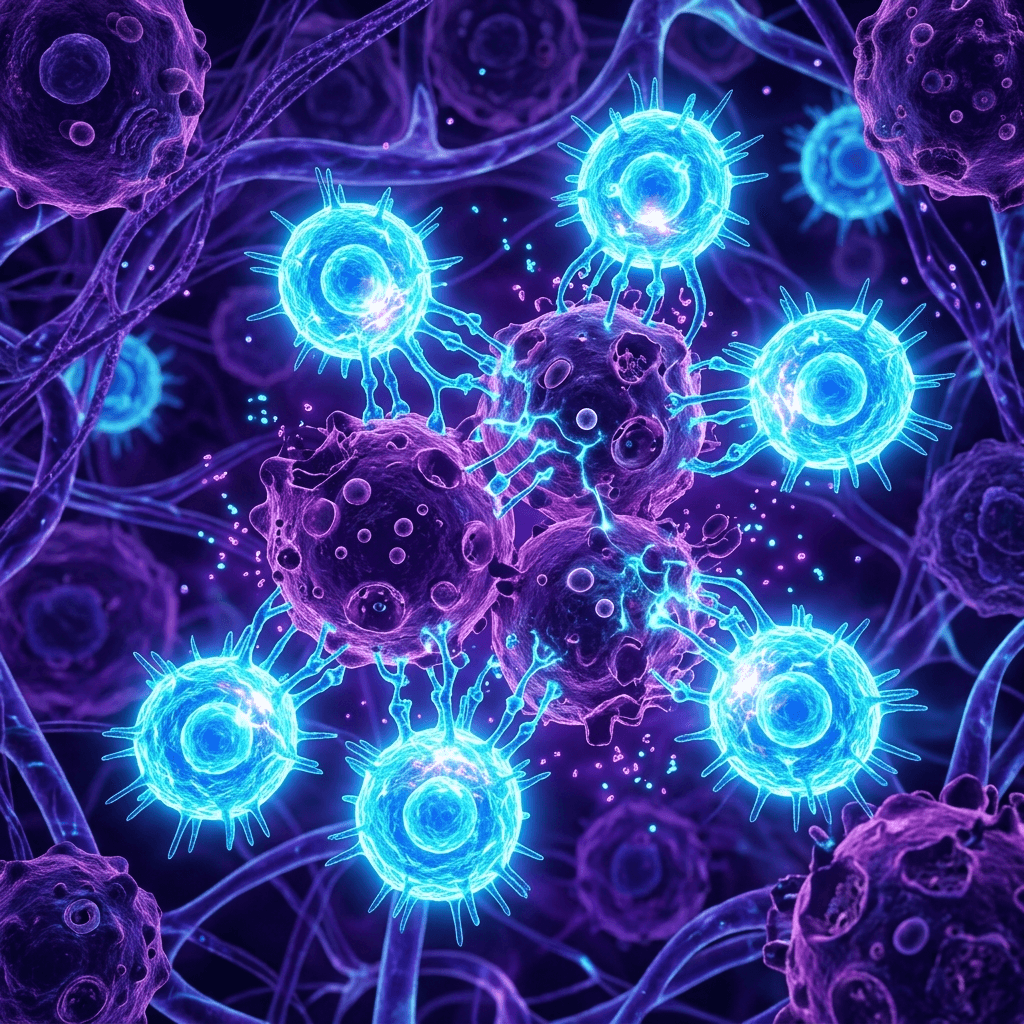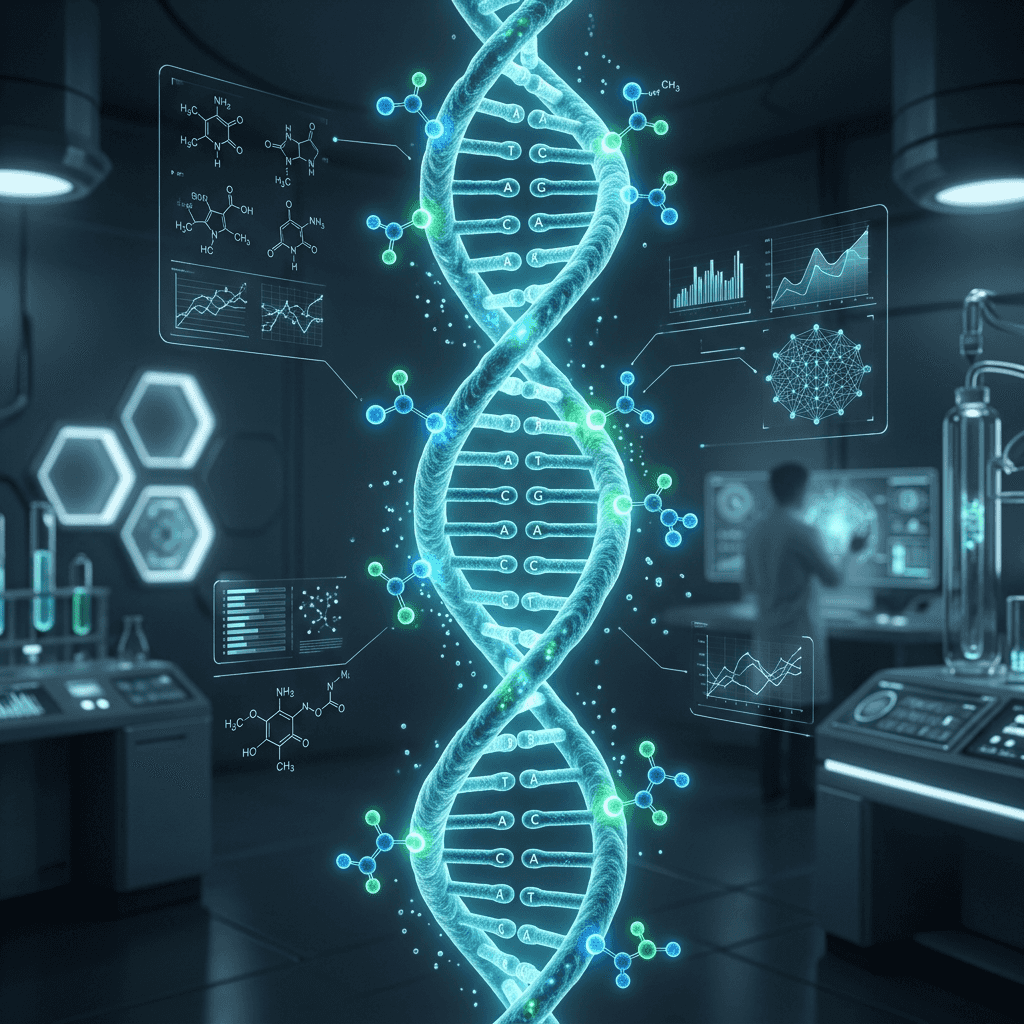
"We used to believe that our genetic code set the absolute, unchangeable boundary of our healthspan. Today, we know that DNA is just the piano; your daily lifestyle, your environment, and your metabolic choices are the pianist, deciding exactly which biological song gets played."
Key Epigenetic Takeaways
- 1. DNA is Mutable Software: Less than 5% of disease‑related genetic mutations are fully deterministic. The other 95% depend entirely on epigenetic activation through environmental variables.
- 2. Methylation is the Off‑Switch: Adding or removing tiny methyl groups to your DNA actively silences cancer‑causing oncogenes and turns on powerful longevity pathways like SIRT1 and FoxO3.
- 3. Xenohormesis: Eating organic plants that have survived intense environmental stress (like wild blueberries) transfers their survival data to your own epigenome, protecting you at a cellular level.
- 4. The Horvath Clock: Using saliva or blood tests, modern biohackers can accurately measure their epigenetic aging speed and actually reverse it with targeted lifestyle habits in just weeks.
- 5. Transgenerational Inheritance: Emerging evidence suggests that epigenetic marks you acquire during your lifetime can be passed to your kids, meaning your lifestyle choices today might echo for generations.
For the entire 20th century, the global medical establishment operated under the terrifying dogma of Genetic Determinism. That was the widely held, fatalistic belief that if your parents or grandparents had heart disease, Alzheimer's, metabolic syndrome, or certain cancers, your fate was already written into your 23 pairs of chromosomes. That belief stripped people of biological sovereignty, turning them into passive bystanders just waiting for their inherited genetic time bombs to go off. It suggested you could eat perfectly, exercise daily, and manage stress impeccably, yet still be doomed by the sins of your ancestors.
The sequencing of the Human Genome at the turn of the millennium completely destroyed that paradigm. When scientists finally mapped the entire code, they found a shocking truth: humans only have around 20,000 protein‑coding genes. To put that in perspective, that's roughly the same number as a microscopic nematode worm (Caenorhabditis elegans), and far fewer than a common grain of rice (Oryza sativa). The staggering complexity of human health, intelligence, and immunity doesn't come from the sheer number of genes we have, but from how, when, and where those genes are turned on or off. That realization gave birth to epigenetics and handed the reins of biological destiny back to the individual.
| Methyl Donor Nutrient | Primary Dietary Sources | Epigenetic Function |
|---|---|---|
| Folate (Vitamin B9) | Dark leafy greens, liver, lentils, asparagus | Donates methyl groups for DNA methylation; critical for silencing oncogenes |
| Choline | Egg yolks, beef liver, soy lecithin, cruciferous vegetables | Precursor to betaine and acetylcholine; supports brain methylation |
| Betaine (TMG) | Beets, spinach, quinoa, wheat bran | Direct methyl donor in the methionine‑homocysteine cycle |
| Vitamin B12 (Cobalamin) | Shellfish, organ meats, sardines, nutritional yeast | Cofactor for methionine synthase; essential for DNA synthesis and methylation |
| Methionine | Brazil nuts, sesame seeds, fish, poultry | Essential amino acid that starts the methylation cycle via SAM‑e |
Define Epigenetics: The Software of Human Life
To truly define epigenetics, we must look at how environmental factors alter gene activity without changing your underlying DNA sequence. In short, while genetics is your hardware, epigenetics is your software. Daily decisions act as inputs, determining the regulation of gene expression and molecular cell activity.
Epigenetic modifications are not static; they represent dynamic changes influenced by nutrition, stress, sleep, and exercise. While standard crispr genome editing and clinical gene editing in humans focus on physically modifying DNA strands, epigenetic biohacking allows you to naturally optimize your cellular health from the inside out.
The suffix "epi‑" comes from Greek, meaning "above" or "on top of." So epigenetics is the scientific study of the biological mechanisms that sit on top of your DNA sequence and tell your cells whether to read a specific gene aggressively or ignore it entirely. Think of your inherited DNA sequence as the physical, unchangeable hardware of a computer. Your epigenome, however, is the operating system, and it's updating constantly in real time based on the inputs you give it. Unlike the hardware, which is fixed at the factory, the operating system can be patched, updated, and optimized.
The two main molecular mechanisms your body uses to control this biological software are DNA Methylation and Histone Modification. When a tiny methyl group (one carbon atom attached to three hydrogens, written as CH3) physically binds to a segment of your DNA, specifically to cytosine bases inside CpG islands, it usually acts as an immediate "off switch." It coils the DNA tightly around histone proteins so that transcription enzymes can't physically reach the genetic code. On the flip side, altering the histones (the tiny protein spools that your DNA wraps around) via acetylation, phosphorylation, or ubiquitination can aggressively unpack the DNA, exposing it to the cell's transcriptional machinery and creating a powerful "on switch." These changes are driven by enzymes like DNA methyltransferases (DNMTs), histone acetyltransferases (HATs), and histone deacetylases (HDACs).
The most breathtaking, paradigm‑shifting finding in modern anti‑aging science and ethical biohacking is that these epigenetic switches are exquisitely sensitive to your daily behavior. The food you eat, the hours you sleep, the stress in your relationships, the pollutants you breathe, and even the thoughts you habitually think literally alter your DNA methylation patterns moment by moment. That means you're not just a passive recipient of your genetic inheritance, you're an active, continuous editor of your own gene expression.
Biohacker Pro‑Tip: The Horvath Epigenetic Clock
In 2026, you don't have to guess if your lifestyle is working. You can actively measure your DNA methylation patterns. By ordering an "Epigenetic Biological Age Test" (built on Dr. Steve Horvath's revolutionary multi‑tissue clock algorithm), you can objectively see if the seven habits below are making your cells biologically younger than your calendar age. Elite biohackers test themselves every 6 to 12 months to make sure their protocols are backed by raw, quantifiable data, allowing for precise, iterative tweaks to their lifestyle.
The 7 Daily Habits That Reprogram Your Epigenome
You're not a victim of your biology; you're actively editing your genome every single day through your fork, your sleep, your stress levels, and your environment. Below are the seven most researched, scientifically validated protocols for optimizing gene expression, silencing pro‑inflammatory markers, and aggressively reducing your epigenetic age. These aren't vague wellness suggestions, they're targeted epigenetic interventions with measurable outcomes.
1 Provide Optimal Methyl Donors (Targeted Nutrigenomics)
To successfully turn off pro‑inflammatory genes and silence potentially cancerous oncogenes, your body needs an abundant, daily supply of physical methyl groups (CH3). Your body can't create these chemical tags out of thin air, you have to eat them. Our hunter‑gatherer ancestors got massive amounts of natural folate, choline, and betaine from organ meats, wild forage, and raw plants. The modern Western diet, stripped of those nutrient‑dense foods, leaves many people chronically deficient in methyl donors.
In today's world, eating a diet rich in dark leafy greens (spinach, Swiss chard, kale, beet greens), pastured egg yolks (incredibly high in brain‑protecting choline and lutein), grass‑fed liver (nature's most concentrated multivitamin), and cruciferous vegetables (broccoli sprouts, cauliflower, Brussels sprouts) provides the raw biochemical materials your DNA methyltransferase enzymes need to actively methylate DNA. Without these nutrients, your biological software crashes, leaving dangerous genes exposed and active, while beneficial longevity genes stay stubbornly silent.
2 Capitalize on Xenohormesis (Eating Stressed Plants)
Xenohormesis is one of the most fascinating and promising biological principles ever discovered. Coined by Dr. David Sinclair and colleagues, it says that mammals have an evolutionarily conserved ability to sense and respond to the environmental stress of the plants they eat. When a resveratrol‑rich grapevine or an organic wild blueberry survives a brutal summer drought, intense UV radiation, or a fungal attack, it produces a huge surge of defensive phytochemicals (like resveratrol, quercetin, and anthocyanins) to keep itself alive.
When you eat those heavily stressed plants, those concentrated phytochemicals enter your bloodstream and act as powerful epigenetic signaling molecules. They bind to and activate sirtuins (SIRT1), a class of NAD+‑dependent deacetylases that act as master regulators of longevity and stress resistance. These plant molecules essentially trick your own cells into thinking a famine or crisis is coming. Your body responds by aggressively activating its cellular defense and repair programs, boosting mitochondrial biogenesis, and extending your healthspan. That's why organically grown, slightly stressed, deeply pigmented produce is biologically superior to massive, over‑watered, picture‑perfect commercial crops.
3 Time‑Restricted Feeding (Intermittent Fasting & mTOR Suppression)
Constant, uninterrupted insulin and circulating amino acids aggressively alter histone modifications, locking your body into a permanent "growth, replication, and storage" state driven by the mTORC1 pathway. If you're eating from the moment you wake up until midnight, your cells never get permission to slow down anabolism and start housecleaning. That chronic state of nutrient abundance is a major driver of accelerated epigenetic aging.
By squeezing your daily eating window into just 8 to 10 hours (the classic 16:8 or 14:10 intermittent fasting protocol), you let insulin and IGF‑1 levels drop to baseline for a sustained period. That profound epigenetic shift tells the body to inhibit the mTOR pathway (the growth and proliferation pathway) and ramp up AMPK (the energy sensor activated by scarcity). That immediately triggers autophagy, the aggressive cellular recycling of mutated proteins, oxidized lipids, and broken mitochondria. This clears out the intracellular junk that drives inflammaging and neurodegenerative diseases, protecting you from dementia and systemic decay at the most fundamental level.
4 Guard Your Circadian Blueprint (Light Epigenetics)
Roughly 15% to 20% of your entire genome, including huge swaths of metabolic, digestive, immune, and DNA repair genes, operates on a strict 24‑hour circadian cycle. Your DNA literally opens (euchromatin) and closes (heterochromatin) based on specific wavelengths of light hitting the photosensitive cells in the back of your eye. Artificial lighting is an unprecedented epigenetic disaster for human biology.
Staring at high‑intensity blue light (around 480 nm) from smartphones, TVs, and LED bulbs at 11:00 PM epigenetically tells your suprachiasmatic nucleus (the master clock in your hypothalamus) that it's high noon. That shatters melatonin production and destroys your ability to engage in neuroplastic repair and glymphatic clearance during deep sleep. To hack your sleep epigenetics, you need to expose your eyes to raw, unfiltered sunlight within 30 minutes of waking to anchor your circadian rhythm, and ruthlessly use high‑quality blue‑blocking glasses after sunset to protect the nighttime rise of melatonin and the expression of repair genes.
5 Suppress Cortisol via Vagal Tone Optimization
Psychological stress is physically toxic to DNA. Chronically high cortisol directly and aggressively alters DNA methylation patterns in your hippocampus, amygdala, and immune cells, speeding up the epigenetic clock through a process called "inflammaging." Persistent stress leaves a measurable, lasting imprint on your epigenome, raising your risk for mood disorders, metabolic disease, and immune dysfunction.
But you have a physical brake pedal built right into your nervous system: the Vagus Nerve (Cranial Nerve X). Doing daily slow‑paced resonance breathing (inhale for 5.5 seconds, exhale for 5.5 seconds, repeat for 5–10 minutes) actively boosts vagal tone. That releases large amounts of acetylcholine, which binds to receptors on immune cells and rapidly stops the sympathetic "fight or flight" cascade, reversing the epigenetic damage of modern psychological stress. This practice turns down the expression of pro‑inflammatory cytokines and restores a more youthful, resilient epigenetic profile.
6 Eradicate Environmental Endocrine Disruptors
The modern industrial environment is full of tiny chemicals designed to make plastics softer, fragrances last longer, and non‑stick pans more convenient. Compounds like Bisphenol A (BPA) and its equally harmful substitutes (BPS, BPF) found in receipts and plastic water bottles, phthalates in synthetic colognes and flexible PVC, and heavy metals like arsenic and lead in unfiltered tap water act as severe, aggressive epigenetic mutagens.
These xenoestrogens and toxicants are shaped perfectly to bind to human hormone receptors (estrogen, androgen, thyroid), messing up gene expression related to thyroid function, fertility, and fat storage. They can alter DNA methylation patterns in germ cells, potentially passing epigenetic damage to future generations. Ethical biohacking means taking extreme personal responsibility for your immediate environment: drink only reverse‑osmosis filtered water, ditch Teflon for cast iron and stainless steel, use glass food storage, and audit your personal care products for phthalates and parabens.
7 Hypertrophy and Exercise‑Induced Epigenetics
Skeletal muscle is a massive, complex endocrine organ, secreting myokines (like irisin, IL‑6, and BDNF) that talk directly to your brain, liver, and fat tissue. The extreme mechanical stress of lifting heavy weights and doing high‑intensity interval training physically changes the methylation markers of genes that control glucose metabolism, mitochondrial biogenesis, and fat burning. That means exercise tells your DNA exactly how to handle the food you eat and how efficiently to burn energy.
Resistance training doesn't just make muscle fibers bigger, it literally reorganizes the DNA inside the nucleus of the muscle cell to permanently prioritize insulin sensitivity and shunt nutrients toward lean tissue instead of fat storage. The heavier the resistance and the greater the mechanical tension, the more aggressively your epigenome adapts, building a deep metabolic sink that protects you from age‑related frailty (sarcopenia), type 2 diabetes, and metabolic syndrome. That's the epigenetic basis for "muscle as the organ of longevity."
The molecular mechanism determining how a specific gene is expressed revolves around DNA methylation and histone acetylation. When methyl groups attach to DNA promoters, they physically block transcription machinery, effectively silencing the gene. Conversely, histone acetylation relaxes chromatin wrapping, making the genetic code accessible for transcription. Through targeted dietary interventions, circadian alignment, and stress management, we actively modulate these chemical tags, determining which biological pathways are active.
Epigenetic Plasticity: How a Gene Is Expressed or Repressed
The ultimate beauty and optimism of epigenetics lie in its inherent plasticity. Your inherited genetic hardware is fixed from the moment of conception, but your epigenome is fluid, responsive, and eager to adapt to positive change. It's not a rigid structure, it's a flowing river of biochemical data, constantly integrating signals from your diet, environment, sleep, and thoughts.
Recent landmark trials looking at lifestyle interventions over just 8 weeks, including strict sleep hygiene, phytonutrient‑dense diets high in methyl donors, daily meditation, and consistent movement, have shown a staggering, measurable reversal of biological age by over three full years. Three years of cellular damage erased in just two months of disciplined, targeted work. That's not science fiction; it's published, peer‑reviewed clinical reality.
To operate at the peak of human optimization in 2026, we have to abandon the victim mentality of predetermined genetics. Every bite you eat, every minute of deep sleep you get, every photon of light you expose your eyes to, and every environmental input you allow into your home is a line of code you're manually typing into your biological software. What you program into your cells, which genes to silence or activate, is ultimately, completely up to you.
Peer-Reviewed Clinical Validations and Extended Deeper Reading:
- Reversal of Epigenetic Age via Diet and Lifestyle: Fitzgerald, K. N., Hodges, R., Hanes, D., et al. (2021). "Potential reversal of epigenetic age using a diet and lifestyle intervention: a pilot randomized clinical trial." Aging (Albany NY). This groundbreaking study proved that just 8 weeks of targeted dietary methylation support and lifestyle modification reversed the Horvath DNAmAge clock by an average of 3.23 years compared to control. Access Full Clinical Data
- Xenohormesis and Plant Stress Defense: Howitz, K. T., & Sinclair, D. A. (2008). "Xenohormesis: sensing the chemical responses of other species." Cell. Details the molecular pathways through which plant stress molecules (resveratrol, quercetin) activate human sirtuins and mimic caloric restriction. Read the Cell Paper
- Circadian Epigenomic Regulation: Asher, G., & Sassone-Corsi, P. (2015). "Time for food: the intimate interplay between nutrition, metabolism, and the circadian clock." Cell. Demonstrates the profound epigenetic dysregulation that occurs when eating misaligned with circadian biology. Access the Research
- Exercise-Induced Epigenetic Remodeling: Lindholm, M. E., Marabita, F., Gomez-Cabrero, D., et al. (2014). "An integrative analysis reveals coordinated reprogramming of the epigenome and the transcriptome in human skeletal muscle after training." Epigenetics. Shows that endurance training remodels DNA methylation across thousands of genes in muscle tissue. Read Study
- Transgenerational Epigenetic Inheritance: Heard, E., & Martienssen, R. A. (2014). "Transgenerational epigenetic inheritance: myths and mechanisms." Cell. A full review of the evidence for and mechanisms of epigenetic marks being passed to offspring. Read Review