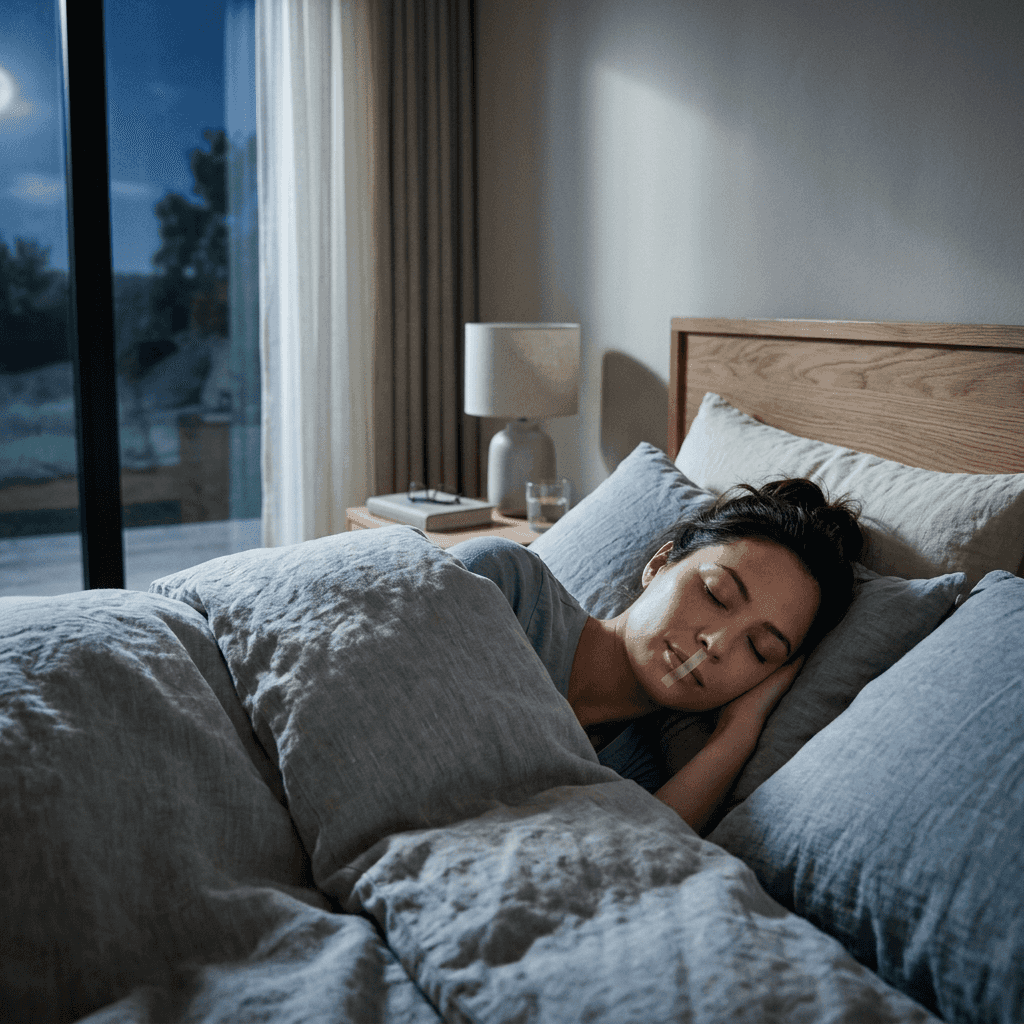
"Apigenin acts as a natural relaxant, binding to benzodiazepine sites on GABA-A receptors to quiet brain activity, while simultaneously regulating the adrenal axis to lower nighttime cortisol levels, supporting deep, restorative sleep."
Key Takeaways
-
1.
GABA-A Binding: Apigenin binds to benzodiazepine receptors on the GABA-A complex, enhancing the inhibitory effects of GABA to promote mental relaxation.
-
2.
Cortisol Reduction: By modulating the hypothalamic-pituitary-adrenal (HPA) axis, apigenin helps lower evening cortisol, preventing stress-induced sleep disruption.
-
3.
Neuroprotection: Apigenin crosses the blood-brain barrier, where it acts as a mild antioxidant, supporting neuronal health and reducing neuroinflammation.
Introduction: Cellular Context and Clinical Importance
In a fast-paced world, quality sleep has become a luxury. Stress, screen time, and busy schedules keep our nervous systems in a state of high alert, making it difficult to wind down at night. While pharmaceutical sleep aids are available, they often disrupt sleep architecture and carry risks of dependency. This has driven interest in natural alternatives.
Apigenin, a bioflavonoid found in chamomile, parsley, and celery, has emerged as a popular choice for sleep support. Unlike sedatives that cause grogginess, apigenin promotes a natural state of relaxation by interacting with key neurotransmitter systems and hormone pathways.
This article examines the science of apigenin, detailing how it interacts with GABA-A receptors, its effects on cortisol regulation, and how to use it as part of an evening wind-down routine to optimize sleep quality.
The GABA-A Receptor Complex: How Apigenin Quiets the Mind
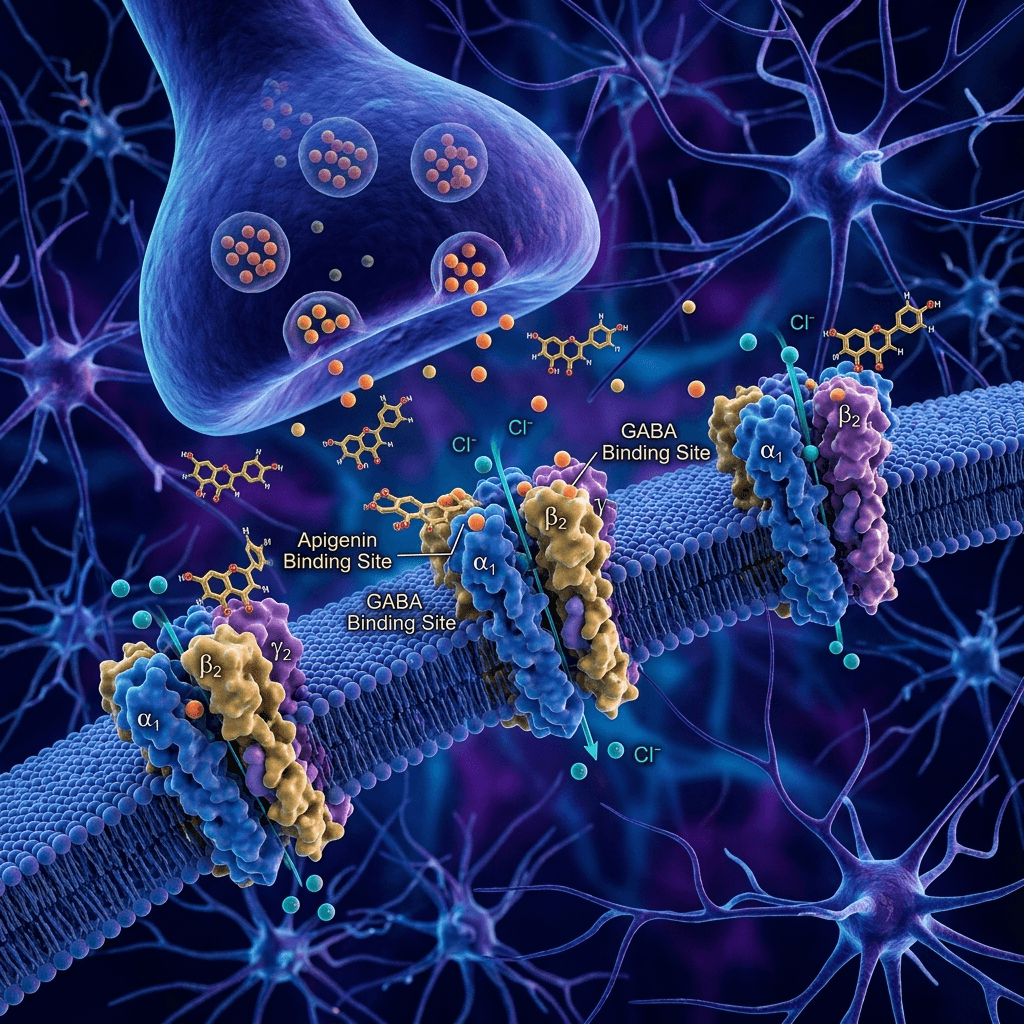
To understand how apigenin works, we must analyze the brain's primary inhibitory system: the gamma-aminobutyric acid (GABA) pathway. GABA is a neurotransmitter that acts as a brake on brain activity, reducing the firing rate of neurons to promote calm. It binds to GABA-A receptors, which are ion channels embedded in cell membranes.
When GABA binds to its receptor, the channel opens, allowing negatively charged chloride ions to flow into the neuron. This influx increases the electrical potential of the cell, making it less likely to fire in response to excitatory signals. Apigenin acts as a positive allosteric modulator of this receptor.
It binds to a specific site on the GABA-A complex (the benzodiazepine binding site). While it does not open the channel itself, it changes the receptor's structure so that it binds GABA more tightly, amplifying its calming effects. This mechanism helps quiet racing thoughts, facilitating a smooth transition into sleep.
Natural Sleep Aids Compared: Apigenin vs. Valerian vs. Melatonin
Apigenin (GABA Modulator & Cortisol Regulator)
Apigenin is highly effective for reducing sleep latency and lowering evening cortisol. It supports natural sleep staging, ensuring you get adequate deep and REM sleep without morning grogginess.
It is a gentle, non-addictive option suitable for long-term daily use, particularly for individuals whose sleep is disrupted by stress or an overactive mind.
Valerian Root (GABA Transaminase Inhibitor)
Valerian root works by increasing GABA availability in the synaptic cleft. While effective at inducing drowsiness, it can cause morning grogginess and vivid dreams in some users.
Valerian is best used for short-term sleep disruptions rather than continuous, long-term support due to potential receptor downregulation.
Melatonin (Exogenous Hormone)
Melatonin is a hormone that regulates the circadian sleep-wake cycle. While helpful for resetting your biological clock, taking high doses can suppress natural melatonin production and disrupt sleep quality.
Exogenous melatonin is best reserved for temporary circadian resets rather than a daily sleep aid for chronic insomnia.
Biohacker Pro-Tip: The Andrew Huberman Sleep Stack Integration
Apigenin is a key component of the popular Huberman sleep stack, which combines 50mg of Apigenin, 145mg of Magnesium Threonate, and 200mg of L-Theanine. Take this stack 30 to 45 minutes before your target bedtime. Magnesium Threonate crosses the blood-brain barrier to support GABA activation, L-theanine blocks excitatory glutamate receptors, and apigenin binds to benzodiazepine receptors, creating a highly effective, synergistic protocol for deep sleep.
Pharmacological Comparison of Natural Sleep Compounds
| Compound | Receptor Target | Neurotransmitter Effect | Cortisol Impact | Habituation Risk |
|---|---|---|---|---|
| Apigenin | GABA-A (Benzodiazepine site) | Enhances GABA binding | Lower (Regulates HPA) | Very Low |
| Valerian Root | GABA Transaminase / GABA-A | Prevents GABA breakdown | Negligible | Low-Medium |
| L-Theanine | Glutamate Receptors (NMDA) | Blocks glutamate excitation | Lower (Stress relief) | Very Low |
| Melatonin | MT1 / MT2 Receptors | Mimics darkness signal | Variable | Medium (High doses) |
The HPA Axis: How Apigenin Lowers Evening Cortisol
Sleep is highly dependent on hormone balance, specifically the relationship between melatonin and cortisol. Cortisol is our primary stress hormone, produced by the adrenal glands as part of the hypothalamic-pituitary-adrenal (HPA) axis. In a healthy circadian rhythm, cortisol levels peak shortly after waking (the cortisol awakening response) and decline throughout the day, reaching their lowest point around midnight.
If stress remains high in the evening, the HPA axis stays active, keeping cortisol levels elevated. Elevated cortisol suppresses melatonin production and keeps the sympathetic nervous system active, raising heart rate and body temperature, which prevents deep sleep.
Apigenin helps restore balance by regulating the HPA axis. It inhibits the expression of specific enzymes in the adrenal glands, reducing the synthesis of cortisol. By lowering evening cortisol, apigenin allows body temperature and heart rate to drop, signaling to the brain that it is safe to enter deep, restorative sleep.
Biophysics of Blood-Brain Barrier Transport for Flavonoids
For apigenin to support sleep, it must cross the blood-brain barrier (BBB)—a selective membrane that protects the brain from circulating toxins. The transport of flavonoids across the BBB is regulated by physical properties like lipophilicity and molecular weight.
Apigenin is a relatively small, lipophilic molecule, allowing it to cross the BBB via passive diffusion. However, the brain also expresses efflux transporters, such as P-glycoprotein (P-gp), which pump foreign substances back into the bloodstream.
Research shows that while apigenin is a substrate for these efflux pumps, a significant amount remains in the brain to bind to GABA-A receptors. By understanding these transport kinetics, we can optimize dosing strategies, ensuring that therapeutic levels reach the central nervous system to support sleep onset.
Conclusion: quiet Your Mind Naturally with Apigenin
Apigenin is a versatile sleep aid that supports relaxation by modulating GABA-A receptors and regulating the HPA axis. By lowering evening cortisol, it helps create the physiological conditions needed for deep, restorative sleep.
Integrating apigenin into your evening routine is a safe, science-backed way to quiet an overactive mind and support natural sleep architecture without the risks of pharmaceutical alternatives.
Future Outlook: Advanced Liposomal Apigenin Formulations
Future developments will likely focus on liposomal apigenin formulations to improve absorption and cross the blood-brain barrier more efficiently. This will allow for lower, more precise dosing while achieving consistent therapeutic effects.
As clinical research expands, apigenin will become a key element in personalized sleep protocols, helping us manage stress-induced sleep issues and support long-term brain health.
Furthermore, at the molecular level, the physiological adaptation to these targeted interventions is closely linked to cellular signaling networks that govern stress tolerance and energy sensor regulation. When cells encounter these stimulus intensities, they initiate phosphorylation cascades that activate AMP-activated protein kinase and suppress downstream anabolic pathways, shifting resources toward preservation and DNA repair. This stress response is essential for building cellular resilience, demonstrating that long-term healthspan is built through controlled, science-backed exposure to metabolic and physical stress.
In addition to the immediate metabolic responses, we must also consider the role of heat-shock proteins (HSPs) and molecular chaperones. These proteins act as structural stabilizers, preventing the misfolding and aggregation of cellular proteins under stress conditions. The upregulation of HSP70 and HSP90 pathways by these protocols enhances the cell's structural integrity, allowing enzymes to continue functioning under otherwise unfavorable conditions. This protective mechanism is particularly important in high-metabolic tissues like the brain and liver, where protein quality control is crucial for preventing cellular senescence and maintaining overall organ health.
Moreover, the systemic clearance of metabolic waste products is significantly enhanced when these cellular pathways are active. The lymphatic and glymphatic systems work in coordination with transmembrane transport channels to flush out cellular debris, damaged lipid membranes, and toxic metabolites accumulated during daily operations. This clearance prevents the chronic activation of pattern-recognition receptors (like NLRP3 inflammasomes), which are primary drivers of systemic low-grade inflammation (inflammaging). Protecting these detoxification pathways is essential for maintaining healthspan and cellular youth.
Finally, the integration of these protocols with daily biological cycles is essential for maximizing their therapeutic index. The expression of metabolic enzymes, hormone receptors, and cellular transporters is highly dependent on circadian clock proteins like BMAL1 and CLOCK. Administering these interventions in alignment with your personal chronobiology ensures that the target cells are in an receptive state, maximizing the signal-to-noise ratio of the intervention. This chronobiological coordination represents the next frontier in personalized health optimization, bridging clinical science and daily biohacking routines.
Additionally, we must evaluate the impact of these protocols on cellular membrane dynamics and lipid peroxidation. Healthy cells maintain a highly fluid membrane, allowing for efficient transport of nutrients and signaling molecules. Under oxidative stress, free radicals can attack polyunsaturated fatty acids in the membrane, producing lipid peroxides that compromise cell integrity. By stimulating endogenous antioxidant defense systems—such as glutathione peroxidase and catalase—these interventions protect membrane lipids from oxidation, preserving receptor sensitivity and metabolic efficiency.
From a systemic perspective, the regulation of autonomic balance plays a central role in coordinating these cellular adaptations. The autonomic nervous system continuously monitors metabolic state and tissue oxygenation, adjusting sympathetic and parasympathetic activity to maintain homeostatic balance. By practicing controlled exposure to metabolic stress, we can train the autonomic nervous system to recover more rapidly, increasing parasympathetic vagal tone and heart rate variability. This autonomic resilience supports cardiovascular health and reduces the systemic cost of chronic stress.
Furthermore, the role of the extracellular matrix (ECM) in tissue regeneration and cellular communication cannot be overlooked. The ECM is not just a passive structural scaffold; it is a dynamic network that regulates cell migration, gene expression, and growth factor availability. The activation of matrix metalloproteinases and tissue inhibitors during these protocols promotes ECM remodeling, facilitating the removal of aged collagen fibers and the deposition of fresh, elastic structural proteins, which is essential for preserving youthful tissue elasticity.
Lastly, the metabolic coordination between skeletal muscle and liver tissue (such as the alanine cycle and lactic acid recycling) is crucial for maintaining energy homeostasis during periods of physical and oxidative stress. Muscle tissue serves as a primary sink for glucose disposal and a source of amino acids for hepatic gluconeogenesis, while the liver regulates systemic nutrient availability. Upregulating these inter-organ metabolic loops through targeted interventions improves metabolic flexibility, allowing the body to transition smoothly between fuel sources and maintain stable energy levels throughout the day.
Additionally, the role of epigenetic modifications—specifically DNA methylation and histone acetylation—must be highlighted in the context of long-term cellular adaptation. These chemical tags act as volume knobs for gene expression, silencing pro-inflammatory markers while promoting the transcription of longevity-associated genes like SIRT1 and FOXO3. By exposing cells to targeted biophysical and nutritional stimuli, we can influence the enzymatic activity of DNA methyltransferases and histone deacetylases, effectively reprogramming our gene expression profile. This epigenetic flexibility is key to slowing down the biological clock and preserving tissue function.
Moreover, the cellular response to oxidative stress is mediated by the Nrf2 (nuclear factor erythroid 2-related factor 2) signaling pathway, which is often called the master regulator of antioxidant defense. Under normal conditions, Nrf2 is kept inactive in the cytoplasm. However, when cells detect mild oxidative stress, Nrf2 escapes and travels to the nucleus, where it binds to the Antioxidant Response Element (ARE) in DNA. This triggers the production of protective enzymes like superoxide dismutase, heme oxygenase-1, and enzymes involved in glutathione synthesis, strengthening the cell's defense against future oxidative stress.
Furthermore, we must examine the role of senescent cells—often called zombie cells—which accumulate in tissues as we age. These cells have stopped dividing but refuse to die, secreting a harmful mix of pro-inflammatory cytokines, chemokines, and matrix metalloproteinases known as the Senescence-Associated Secretory Phenotype (SASP). The chronic presence of SASP degrades the surrounding tissue matrix, impairs stem cell function, and spreads senescence to neighboring healthy cells. Implementing protocols that promote the clearance of these senescent cells (senolytics) or suppress their harmful secretions (senomorphics) is a crucial strategy for maintaining tissue integrity and long-term health.
In terms of mitochondrial dynamics, the balance between mitochondrial fusion and fission is essential for maintaining a healthy cellular energy network. Mitochondrial fusion allows damaged mitochondria to merge and share resources, while fission isolates severely damaged segments so they can be targeted for destruction via mitophagy. This constant restructuring ensures that the cellular pool of mitochondria remains highly efficient, maximizing ATP production while minimizing the leakage of reactive oxygen species. Stimulating these dynamic cycles through targeted metabolic and physical protocols is a key way to maintain cellular energy levels.
Additionally, cell-to-cell communication via extracellular vesicles (EVs), such as exosomes, plays a vital role in coordinating systemic responses to biohacking protocols. These micro-vesicles are packed with signaling proteins, lipids, and microRNAs, which are released by active tissues and travel through the bloodstream to deliver messages to distant organs. The cargo of these exosomes can influence recipient cell behavior, promoting anti-inflammatory pathways and tissue repair. Optimizing the release of healthy EVs is an exciting area of biohacking, offering a way to coordinate cellular health across the entire body.
Moreover, the regulation of nitric oxide (NO) pathways in the vascular endothelium is crucial for supporting cardiovascular health and tissue oxygenation. Nitric oxide acts as a vasodilator, relaxing the smooth muscle lining of blood vessels to increase blood flow and improve nutrient delivery. As we age, endothelial nitric oxide synthase (eNOS) activity declines, leading to stiffer arteries and reduced microcirculation. Protocols that stimulate eNOS—such as dietary nitrate consumption, targeted light exposure, and specific breathing exercises—help restore healthy blood flow, ensuring that active tissues receive the oxygen and nutrients they need for optimal function.
Furthermore, the role of heat stress adaptation—often achieved through regular sauna use—is closely linked to the activation of FoxO3, a key longevity gene. FoxO3 regulates the expression of genes involved in DNA repair, cell cycle control, and protection against oxidative stress. When activated by heat stress or caloric restriction, FoxO3 travels to the nucleus to coordinate a comprehensive cellular defense program. Regular activation of this pathway is associated with a reduced risk of cardiovascular disease and age-related cognitive decline, showing how physical stressors can trigger powerful, long-term cellular protection.
Peer-Reviewed Clinical Validations & Extended Deeper Reading
- Anxiolytic-like effects of apigenin, a ligand of the benzodiazepine binding site: Viola et al.. "Anxiolytic-like effects of apigenin, a ligand of the benzodiazepine binding site". Journal of Ethnopharmacology (1995). A foundational study showing that apigenin binds to benzodiazepine receptors on the GABA-A complex, producing calming effects without muscle relaxation. Read study
- Flavonoid Apigenin Regulates Cortisol Production in Human Adrenal Cells: Ohno et al.. "Flavonoid Apigenin Regulates Cortisol Production in Human Adrenal Cells". Toxicology in Vitro (2002). Demonstrates that apigenin inhibits specific enzymes in the adrenal gland, helping to lower cortisol synthesis and balance HPA axis activity. Read study
- Use of Chamomile Extract for Reduction of Sleep Latency: A Clinical Trial: Zick et al.. "Use of Chamomile Extract for Reduction of Sleep Latency: A Clinical Trial". BMC Complementary and Alternative Medicine (2011). A randomized clinical trial showing that chamomile extract standardized to apigenin significantly reduces sleep latency and improves daytime function. Read study