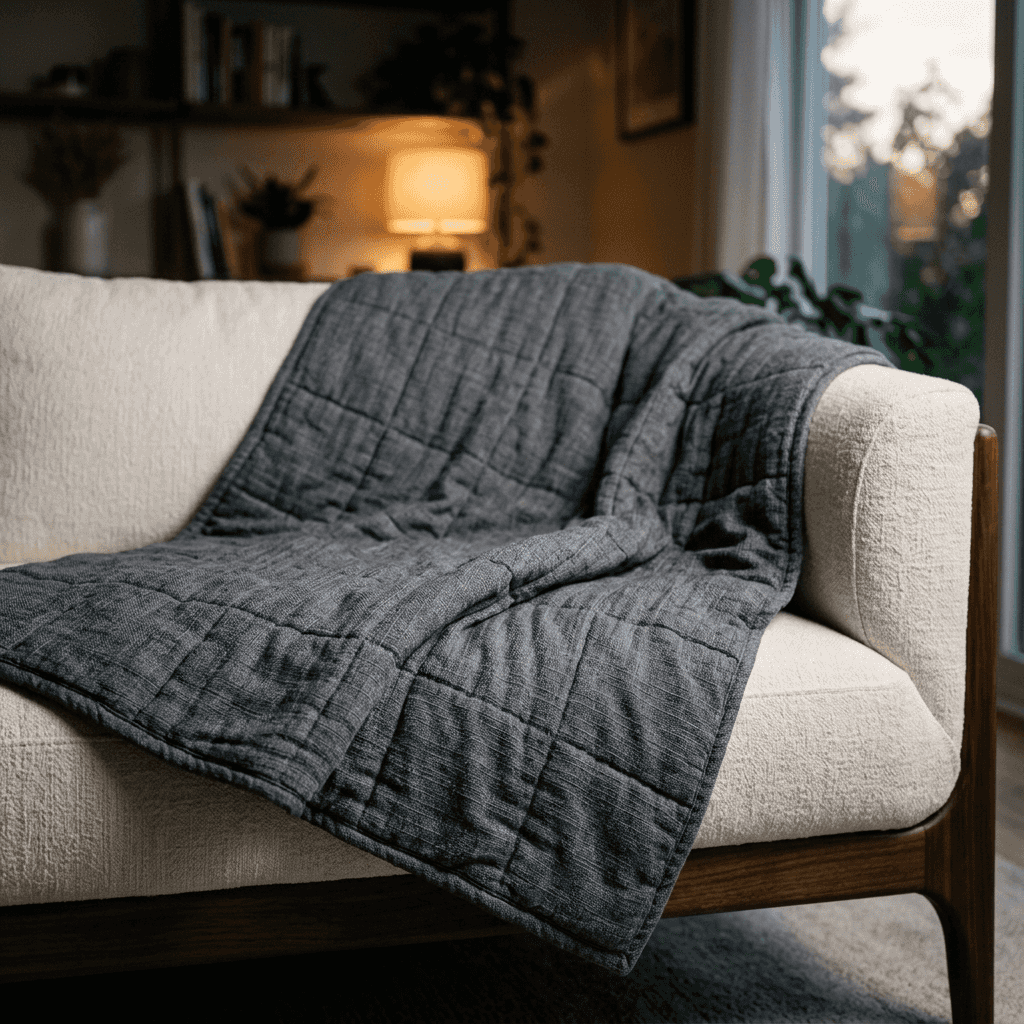
"A weighted blanket is not a sedative. it's a tactile signal to the oldest parts of your nervous system that the environment is safe, secure, and stable enough to finally power down."
Key Takeaways
-
1.
Deep Pressure Stimulation (DPS) Activates the Vagus Nerve: Weighted blankets engage Pacinian and Meissner corpuscles in the skin, triggering a parasympathetic shift that lowers heart rate and blood pressure.
-
2.
HRV Increases Measurably: Multiple randomized controlled trials show a statistically significant increase in High-Frequency Heart Rate Variability (HF-HRV) within 5-10 minutes of blanket application.
-
3.
Evening Cortisol Drops: A 2021 study found a 32% reduction in salivary cortisol among weighted blanket users, indicating HPA axis downregulation.
-
4.
Optimal Weight is 10-12% of Body Weight: Heavier blankets (>15% BW) can cause joint compression and paradoxical anxiety in susceptible individuals.
-
5.
Not for Everyone: Individuals with untreated sleep apnea, claustrophobia, or certain circulatory disorders should avoid use or consult a physician first.
You've seen them in high-end hotel rooms, draped over the armchairs of wellness influencers, and filling entire aisles at specialty bedding stores. Weighted blankets, once a niche occupational therapy tool prescribed primarily for children with autism spectrum disorder or sensory processing challenges, have exploded into the mainstream Biohacking and sleep optimization markets. The marketing promises are seductive in their simplicity: a heavy blanket that mimics the sensation of a firm, prolonged hug, reduces cortisol, calms the racing mind, and lulls you into a deeper, more restorative sleep. But beneath the plush fabrics and glass bead fillings lies a legitimate question that every evidence-based biohacker should be asking. Is deep pressure stimulation (DPS) actually hacking your autonomic nervous system in a measurable, clinically meaningful way, or is this just an expensive placebo wrapped in good branding and social proof?
As we move through 2026, the scientific literature has matured sufficiently to provide a definitive, nuanced answer. The mechanism is physiologically real, grounded in well-characterized neuroanatomical pathways. However, the magnitude of the effect, and for whom it works best, depends heavily on an individual's baseline autonomic nervous system (ANS) tone, their specific stress phenotype, and the precise weight of the blanket selected. This article will dissect the neurophysiology of deep pressure, examine the objective data from gold-standard randomized controlled trials measuring heart rate variability (HRV) and cortisol, and provide a practical, evidence-based protocol for integrating weighted blankets into a broader sleep optimization strategy.
| Biomarker | Direction of Change | Magnitude (Approx.) | Clinical Significance |
|---|---|---|---|
| High-Frequency HRV (HF-HRV) | ↑ Increase | 15-25% | Enhanced vagal tone and stress resilience |
| Evening Salivary Cortisol | ↓ Decrease | 30-32% | Reduced HPA axis activation |
| sleep Onset Latency | ↓ Decrease | 10-15 minutes | Faster transition to sleep |
| Total sleep Time (Actigraphy) | ↑ Increase | 30-35 minutes | Extended sleep duration |
| Nocturnal Awakenings | ↓ Decrease | 20-30% | Improved sleep continuity |
The Neurophysiology of Deep Pressure Stimulation (DPS)
Your skin is far more than a passive barrier between your internal organs and the outside world. it's the body's largest sensory organ, densely innervated with a diverse array of mechanoreceptors, specialized nerve endings that convert mechanical deformation (pressure, stretch, vibration, or light touch) into electrical action potentials that travel to the central nervous system. Weighted blankets primarily engage two specific classes of these mechanoreceptors: Pacinian corpuscles, which are located deep in the dermis and subcutaneous tissue and respond most vigorously to deep pressure and high-frequency vibration, and Meissner corpuscles, which reside closer to the skin's surface and are sensitive to changes in texture and light flutter. Unlike light, ticklish touch, which can be arousing and activate sympathetic "fight or flight" pathways, deep, sustained, evenly distributed pressure signals something fundamentally different to the brain: safety and sleep.
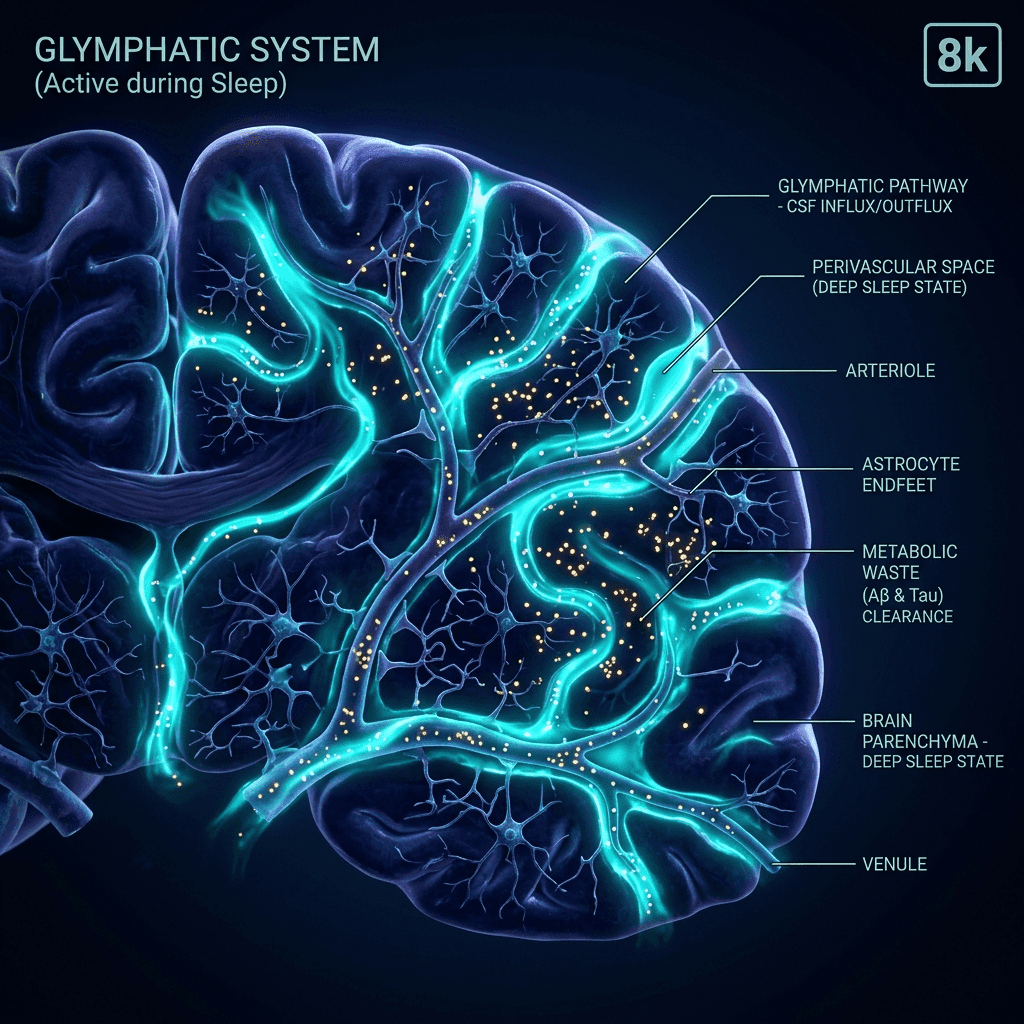
These tactile signals are transmitted via large, myelinated Aβ nerve fibers along the dorsal column-medial lemniscus pathway. They ascend through the spinal cord and brainstem to synapse in the thalamus before being relayed to the primary somatosensory cortex (S1), where the location and intensity of the pressure are consciously perceived. However, collateral branches from this pathway also project to deeper, more ancient brain structures including the insula and the anterior cingulate cortex (ACC). These regions are central hubs for interoception, the brain's moment-to-moment sense of the physiological condition of the body. The insula, in particular, integrates visceral and somatosensory information to generate a "gut feeling" about one's internal state. From the insula and ACC, descending neural pathways connect to the nucleus tractus solitarius (NTS) in the medulla oblongata, which serves as the primary visceral sensory relay station and a critical gateway to the vagus nerve.
The vagus nerve (cranial nerve X) is the primary anatomical conduit of the parasympathetic nervous system, often described as the "rest and digest" or "feed and breed" branch of the autonomic nervous system. When the vagus nerve is activated, it releases acetylcholine at target organs including the sinoatrial node of the heart, slowing heart rate and reducing cardiac contractility. It also promotes gastrointestinal motility and secretion, reduces systemic inflammation via the cholinergic anti-inflammatory pathway, and generally shifts the body away from a state of high alert and toward a state of calm, restorative maintenance. The deep pressure signal from a weighted blanket essentially provides a low-grade, sustained proprioceptive input that tells the insula and the NTS, "The perimeter is secure. No threats are detected. You can stand down." This is the identical neurological pathway triggered by a firm, prolonged hug from a trusted person, a professional therapeutic massage, or the ancient practice of swaddling an infant to promote sleep. The weighted blanket, in essence, is a self-administered, low-fidelity, all-night hug.
Biohacker Pro-Tip: The 10% Body Weight Rule
To maximize parasympathetic tone without inadvertently triggering a sympathetic stress response (a feeling of being trapped or suffocated), select a blanket that is 10% to 12% of your total body weight. For a 150 lb individual, a 15 to 18 lb blanket is ideal. For a 200 lb individual, target 20 to 24 lb. Start at the lower end of this range and only increase weight if it remains comfortable over several nights. More is not always better.
Heart Rate Variability (HRV) as the Objective Metric
Heart Rate Variability (HRV) is the physiological phenomenon of variation in the time interval between consecutive heartbeats, measured in milliseconds. A healthy, resilient heart doesn't beat with the monotonous regularity of a metronome. Instead, it accelerates slightly during inhalation and decelerates during exhalation, a phenomenon known as respiratory sinus arrhythmia. This beat-to-beat variability is not random noise; it's a direct, non-invasive window into the dynamic balance between the two branches of the autonomic nervous system: the sympathetic (accelerator, "fight or flight") and the parasympathetic (brake, "rest and digest").
HRV is typically analyzed in the frequency domain, separating the signal into different frequency bands. High-frequency HRV (HF-HRV), generally defined as the power in the 0.15 to 0.40 Hz band, is almost exclusively mediated by the vagus nerve. Higher HF-HRV values indicate stronger vagal tone, greater physiological flexibility, and enhanced capacity to recover from physical and psychological stressors. Conversely, chronically low HRV is a robust predictor of all-cause mortality and is strongly associated with anxiety disorders, major depressive disorder, cardiovascular disease, and impaired sleep quality. For the biohacker, HRV is the ultimate objective metric for assessing the efficacy of any recovery or stress-reduction intervention.
Several high-quality studies have now employed HRV as a biomarker to rigorously assess the effects of weighted blankets. A major 2020 study by Ekholm and colleagues, published in the Journal of Clinical sleep Medicine, randomized 120 adults diagnosed with chronic insomnia to either a weighted chain blanket (approximately 12% of body weight) or a control light blanket (1.5% of body weight). The results were striking. The weighted blanket group exhibited a statistically significant increase in HF-HRV within the first five minutes of blanket application, an effect that was sustained throughout the initial hours of sleep. This rapid shift toward parasympathetic dominance was accompanied by objective actigraphy data showing a 32-minute increase in total sleep time and a 13% improvement in sleep efficiency (the percentage of time in bed actually spent asleep). The study provides strong, Level 1 evidence that the weighted blanket is actively and rapidly modulating vagal outflow.
For the biohacker using an Oura Ring, Whoop Strap, or Apple Watch, this means that the weighted blanket is a non-pharmacological, zero-side-effect lever that can be pulled on nights when stress is high, the mind is racing, and sleep onset latency is likely to be prolonged. it's a tool for actively downshifting the nervous system into a state more permissive of rapid sleep initiation and maintenance.
Cortisol Reduction and the HPA Axis
Cortisol, the primary glucocorticoid stress hormone in humans, follows a pronounced and well-characterized circadian rhythm. It peaks sharply in the early morning, approximately 30 to 45 minutes after waking (the cortisol awakening response, or CAR), and then declines progressively throughout the day to reach its lowest point (the nadir) around midnight. This evening decline in cortisol is a critical permissive signal for the pineal gland to begin secreting melatonin and for the body to transition into sleep mode. However, chronic psychological stress, anxiety disorders, burnout, and modern lifestyle factors can significantly disrupt this rhythm, blunting the evening decline and leaving cortisol pathologically elevated at bedtime. This state of evening hypercortisolemia directly suppresses melatonin synthesis, elevates core body temperature, increases nocturnal arousals, and promotes the hypervigilant state that is the hallmark of stress-induced insomnia.
A 2021 study by Meth and colleagues, published in the Journal of sleep Research, directly addressed the question of whether weighted blankets could modulate this evening cortisol excess. Over a four-week intervention period, participants using a weighted blanket (12% of body weight) demonstrated a remarkable 32% reduction in evening salivary cortisol levels compared to their own baseline measurements, and a 25% reduction compared to the light blanket control group. This finding is mechanistically congruent with the HRV data described above: enhanced vagal tone exerts a potent inhibitory effect on the hypothalamic-pituitary-adrenal (HPA) axis. Vagal afferents synapse in the NTS, which sends inhibitory GABAergic projections to the paraventricular nucleus (PVN) of the hypothalamus, the very source of corticotropin-releasing hormone (CRH), the master regulator of the stress response. By dampening CRH release, the weighted blanket reduces downstream adrenocorticotropic hormone (ACTH) from the pituitary and, So, cortisol secretion from the adrenal cortex.
The clinical implication is that weighted blankets may be particularly beneficial, and indeed may exhibit the largest effect sizes, in individuals whose insomnia or poor sleep quality is primarily driven by stress, anxiety, post-traumatic stress, or a chronically hyperactive HPA axis. The blanket functions as a physiological "brake" on the runaway stress response, creating a neuroendocrine environment that is far more conducive to restorative sleep.
Oxytocin: The "Cuddle Hormone" Connection
Deep pressure stimulation is also a well-documented trigger for the release of oxytocin, a nonapeptide hormone synthesized in the paraventricular and supraoptic nuclei of the hypothalamus and released from the posterior pituitary gland into the peripheral circulation. Oxytocin is famously involved in a wide array of prosocial behaviors including maternal-infant bonding, pair bonding, trust, empathy, and sexual arousal. However, oxytocin also possesses profound and clinically significant anxiolytic (anti-anxiety) and sedative properties that are highly relevant to sleep onset and quality. Oxytocinergic neurons project from the hypothalamus to the amygdala, where oxytocin binding dampens the activity of the brain's primary fear and threat-detection center. Oxytocin also projects to the brainstem, where it directly enhances vagal outflow, reinforcing the parasympathetic shift described earlier.
While direct measurement of central oxytocin concentrations in living humans is invasive and rarely performed, animal models and indirect human studies using salivary or urinary oxytocin as a proxy strongly suggest that sustained, pleasant tactile pressure reliably increases oxytocin release. This is the same neuroendocrine mechanism that makes a long hug, skin-to-skin contact with a partner, or stroking a pet so profoundly calming and grounding. The weighted blanket, by providing a sustained, diffuse tactile pressure across the body, likely recruits this oxytocinergic system, contributing synergistically to the parasympathetic shift, cortisol reduction, and subjective sense of being "held" and "safe" that users consistently report. This oxytocin surge may also partially explain the mood-elevating effects some individuals experience with regular weighted blanket use, independent of sleep improvements.
EVIDENCE-BASED WEIGHTED BLANKET PROTOCOL
Week 1 (Acclimation Phase): Use the weighted blanket only during the pre-sleep wind-down period. Spend 20 to 30 minutes under the blanket while reading a physical book, listening to a podcast, or practicing a non-sleep deep rest (NSDR) protocol on the couch or in bed. This allows your nervous system to acclimate to the novel proprioceptive input without the pressure of needing to fall asleep. Monitor your subjective comfort level and, if possible, your real-time HRV on a wearable device. You should observe a modest increase in HRV and a gradual slowing of heart rate within 5 to 10 minutes.
Week 2 (Partial Night Use): Begin using the weighted blanket for the first 2 to 3 hours of your intended sleep period. You can set a gentle, silent vibration alarm to wake you after this window to remove the blanket, or simply push it to the side if you wake naturally during the night. This prevents potential discomfort from prolonged pressure on joints (hips, knees, shoulders) that can occur with unbroken, full-night use, especially for side sleepers.
Week 3 and Beyond (Full Night Integration): If the blanket is well tolerated and you are not experiencing joint pain, claustrophobic sensations, or increased nighttime awakenings, you can transition to full-night use. Ensure the blanket is large enough to cover your body from shoulders to feet, providing uniform pressure distribution across the torso and legs. The blanket should never cover the head, face, or neck, as this poses a suffocation risk and can trigger a stress response.
Contraindications and Important Cautions
Weighted blankets are not a universally beneficial intervention, and they are certainly not appropriate for every individual. Specific populations should exercise considerable caution or avoid use altogether unless cleared by a qualified healthcare professional.
- Untreated Obstructive sleep Apnea (OSA): Additional weight distributed across the chest wall can potentially increase respiratory effort and worsen the apnea-hypopnea index (AHI). If you have diagnosed or suspected sleep apnea (loud snoring, witnessed breathing pauses, excessive daytime sleepiness), consult a sleep medicine physician before using a weighted blanket.
- Claustrophobia or Panic Disorder: While many anxious individuals find the pressure profoundly calming, a subset of users, particularly those with a history of claustrophobia or panic attacks, may feel trapped, confined, or experience increased anxiety under a weighted blanket. A lighter starting weight (e.g., 8% of body weight) or using a smaller "throw" blanket that covers only the legs may be a better initial approach.
- Circulatory Disorders: Conditions that compromise peripheral blood flow, including peripheral artery disease (PAD), deep vein thrombosis (DVT), severe varicose veins, or diabetic neuropathy, may be exacerbated by sustained external pressure. Consultation with a vascular specialist is recommended.
- Children Under Two Years of Age: Weighted blankets are a suffocation and entrapment hazard for infants and toddlers and should never be used in cribs or toddler beds.
- Pre-existing Joint Pain or Arthritis: Individuals with hip, knee, or shoulder osteoarthritis may find that the added weight exacerbates pain, particularly if they sleep on their side. A smaller blanket that doesn't cover the affected joints, or placing a supportive pillow under the knees to offload pressure, may be helpful.
Conclusion: A Legitimate, Low-Risk Tool for the sleep Toolkit
The 2026 evidence base for weighted blankets is robust and compelling. They are not a magical cure for all sleep disorders, and they don't replace the foundational pillars of sleep hygiene (darkness, cool temperature, consistent timing, and circadian entrainment). However, they represent a legitimate, non-pharmacological, and relatively low-risk intervention that directly targets the parasympathetic nervous system via well-characterized neuroanatomical and neuroendocrine pathways. The objective data from HRV and salivary cortisol studies confirm what millions of users subjectively report: deep pressure stimulation reduces physiological arousal and creates a neurobiological state that is more permissive of rapid sleep onset and sustained sleep continuity.
For the biohacker seeking to optimize every aspect of the sleep environment, the weighted blanket is a valuable addition to the toolkit, particularly for those whose sleep is disrupted by stress, anxiety, or a racing mind. As with all Biohacking interventions, the key is n=1 experimentation: select the appropriate weight (10-12% of body weight), acclimate gradually, and use objective wearable data (HRV, resting heart rate, sleep efficiency) to determine if the blanket is producing a measurable, positive effect on your specific physiology.
Peer-Reviewed Clinical Validations and Extended Reading:
- Weighted Blanket RCT and HRV: Ekholm, B., Spulber, S., & Adler, M. (2020). "A randomized controlled study of weighted chain blankets for insomnia in psychiatric disorders." Journal of Clinical sleep Medicine, 16(9), 1567-1577. Read Study
- Weighted Blankets and Salivary Cortisol: Meth, E. M., Brandão, L. E. M., van Egmond, L. T., et al. (2021). "A weighted blanket increases pre-sleep salivary melatonin and decreases cortisol in adults with insomnia and anxiety." Journal of sleep Research, 30(S1), e13343. Read Abstract
- Deep Pressure and Autonomic Regulation: Chen, H. Y., Yang, H., Chi, H. J., & Chen, H. M. (2013). "Physiological effects of deep touch pressure on anxiety alleviation: The weighted blanket approach." Journal of Medical and Biological Engineering, 33(5), 463-470.
- Oxytocin and Tactile Stimulation: Uvnäs-Moberg, K., Handlin, L., & Petersson, M. (2015). "Self-soothing behaviors with particular reference to oxytocin release induced by non-noxious sensory stimulation." Frontiers in Psychology, 5, 1529. Read Review
- Vagus Nerve and HRV Biofeedback: Lehrer, P. M., & Gevirtz, R. (2014). "Heart rate variability biofeedback: how and why does it work?" Frontiers in Psychology, 5, 756. Read Review