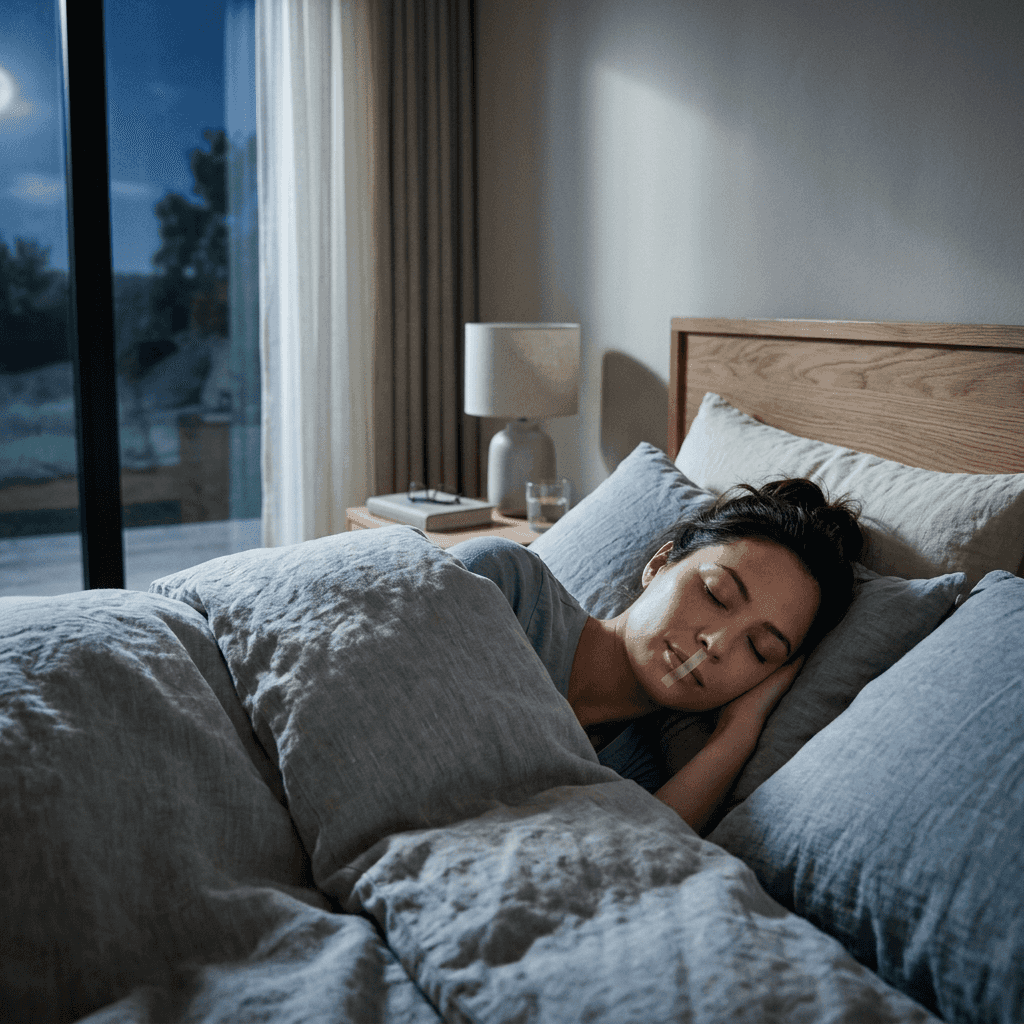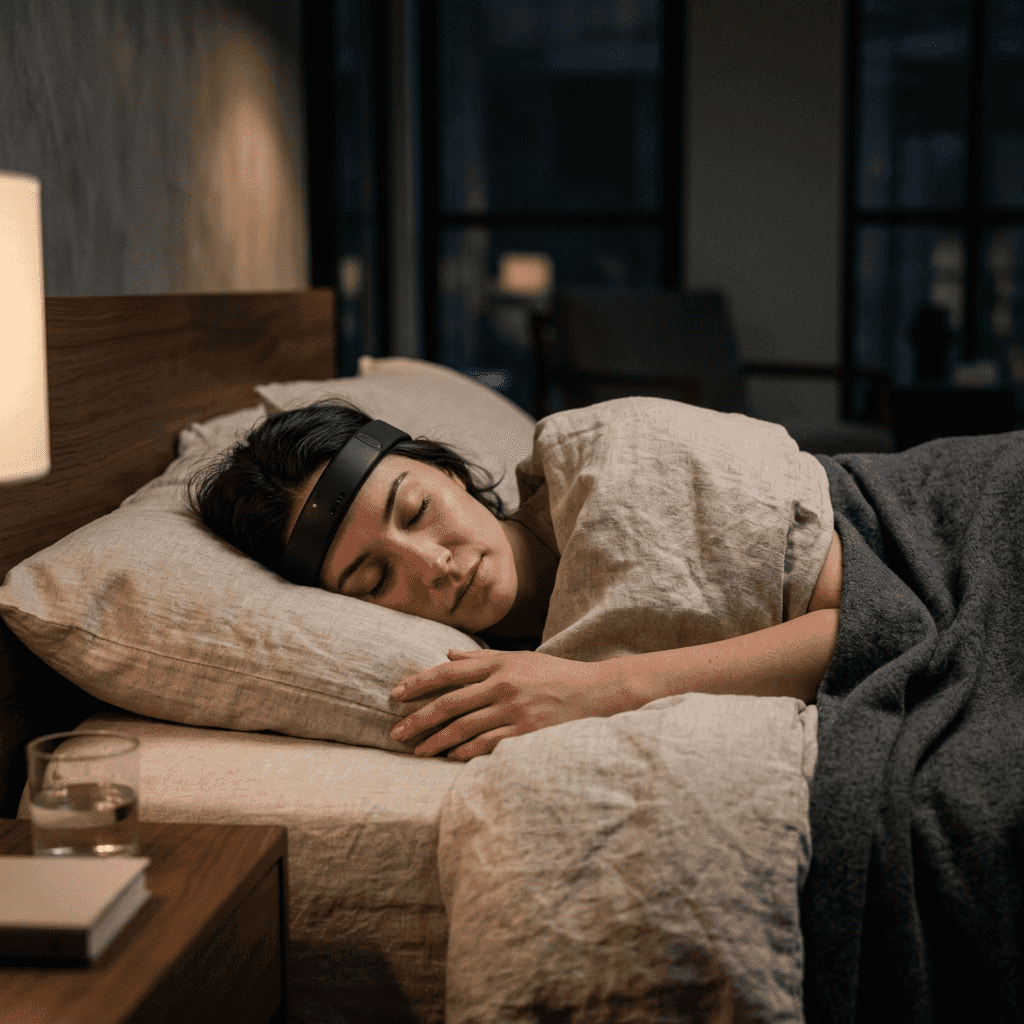
"The most critical phase of learning happens while you're asleep. Deep sleep and REM don't just rest your brain, they run a cleanup and rehearsal process that turns clumsy practice into actual skill."
Sleep-Induced Neuroplasticity: 2026 Core Pillars
-
1.
Synaptic Homeostasis (SHY): During slow-wave sleep, the brain scales down weak synapses and preserves strong ones, freeing up capacity for new learning the next day.
-
2.
Active System Consolidation: Memories are replayed and shifted from temporary hippocampal storage to stable, distributed cortical networks during sleep spindles and sharp-wave ripples.
-
3.
REM Sleep and Creativity: REM sleep encourages novel associations between unrelated memories, which drives creative insight, problem-solving, and grasping abstract patterns.
-
4.
Motor Skill Consolidation: The cerebellum and motor cortex run offline rehearsals during NREM2 and REM, sharpening motor sequences and improving speed and accuracy without extra practice.
-
5.
Glymphatic Clearance and Plasticity: Clearing metabolic waste (amyloid-beta, tau) during deep sleep reduces neuroinflammation, creating better conditions for synaptic remodeling and long-term potentiation.
For most of the 20th century, people treated sleep as an off switch, a passive, unproductive block of time. The cultural message was that you could sleep when you were dead. By 2026, that idea has been dismantled by decades of sleep and neuroscience research. Sleep, especially the organized cycles of deep slow-wave sleep (NREM Stage 3) and REM, is not downtime. It's an active, energy-intensive stretch where your brain prunes weak connections, stabilizes what you learned that day, and links new knowledge to old in ways that generate insight.
This guide breaks down the neurobiology of sleep-dependent learning and memory consolidation. We'll cover the Synaptic Homeostasis Hypothesis, active system consolidation, the roles of NREM sleep spindles, sharp-wave ripples, and REM theta oscillations, and then get to practical protocols you can use to accelerate skill acquisition by optimizing specific sleep cycles.
| Sleep Stage | Brainwave Signature | Key Oscillations | Role in Neuroplasticity |
|---|---|---|---|
| NREM Stage 1 (N1) | Theta (4-7 Hz) | Vertex sharp waves | Transitional; minimal consolidation |
| NREM Stage 2 (N2) | Sigma (12-15 Hz) / Theta | Sleep Spindles, K-complexes | Motor sequence consolidation; synaptic plasticity initiation |
| NREM Stage 3 (N3 / SWS) | Delta (0.5-4 Hz) | Slow Oscillations, Sharp-Wave Ripples | Synaptic downscaling (SHY); hippocampal-cortical transfer |
| REM Sleep | Theta (4-8 Hz), Beta/Gamma | PGO waves, Theta oscillations | Novel association formation; emotional memory integration; creativity |
The two faces of nocturnal plasticity: synaptic homeostasis vs. memory consolidation
To understand how sleep refines skills, you need to know that sleep does two related but distinct things to synapses. First, the Synaptic Homeostasis Hypothesis (SHY), from Drs. Giulio Tononi and Chiara Cirelli, argues that slow-wave sleep globally weakens synaptic connections across the brain. During the day, as you learn, long-term potentiation (LTP) strengthens synapses everywhere. That's great, but it's expensive and, if left unchecked, would saturate your ability to learn more. You'd get synaptic overload and a terrible signal-to-noise ratio.
According to SHY, the slow oscillations (<1 Hz) of deep sleep provide a reset. Synapses that were only weakly strengthened (the irrelevant noise) get depotentiated and pruned. Synapses that were strongly and repeatedly activated (important memories and skills) are proportionally preserved. This downscaling restores balance, lowers energy use, and clears space for new learning. It sharpens the signal of what actually matters.
The second function is active system consolidation. During NREM Stage 2 and slow-wave sleep, newly encoded, hippocampus-dependent memories are replayed and gradually moved to the neocortex for permanent storage. This prevents new memories from overwriting old ones and lets the brain integrate new information into existing knowledge networks. The dialogue between hippocampus and cortex during sleep is what makes memories stick.
Biohacker Tip: The Power of the 90-Minute Nap
A full 90-minute nap (covering NREM and REM) can boost memory consolidation and creative problem-solving. Studies show that a nap with sleep spindles and REM improves motor skill learning and perceptual tasks by 20–30% compared to staying awake. Strategic napping is a real tool for learning faster.
The neural dialogue: spindles, ripples, and slow oscillations
Memories don't passively diffuse from hippocampus to cortex. The transfer is a precisely timed, two-way conversation driven by three NREM oscillations: slow oscillations (<1 Hz), sleep spindles (12-15 Hz), and hippocampal sharp-wave ripples (100-250 Hz). The cortical slow oscillation acts as the conductor, cycling between depolarized UP states and hyperpolarized DOWN states. This rhythm synchronizes activity across distant brain regions.
Sleep spindles come from the thalamic reticular nucleus and ride on the crest of the slow oscillation UP states. They trigger a large calcium influx into cortical dendrites, which sets off intracellular cascades (CaMKII, PKA) that induce LTP, the cellular basis of memory strengthening. More spindles, and stronger ones, over the right cortical areas, predict better memory gains.
Spindles are tightly coupled with hippocampal sharp-wave ripples. These high-frequency bursts represent the compressed replay of memory sequences from the day. Ripples nest within the troughs of spindles, which themselves nest within the UP states of slow oscillations. This triple-layered timing creates a window of heightened excitability and plasticity in the cortex. That's the mechanism by which hippocampal traces are read out and moved to long-term storage. Strengthening this spindle-ripple coupling is a key target for sleep optimization.
| Sleep Oscillation | Frequency | Primary Generator | Role in Neuroplasticity |
|---|---|---|---|
| Slow Oscillations | <1 Hz | Neocortex (Layer 5) | Global synchronizer; DOWN states promote synaptic downscaling (SHY) |
| Sleep Spindles | 12-15 Hz (Sigma band) | Thalamic Reticular Nucleus | Trigger calcium influx for cortical LTP; gate hippocampal-cortical transfer |
| Sharp-Wave Ripples | 100-250 Hz | Hippocampus (CA3-CA1) | Compressed memory replay; reactivation of recent experience |
| Theta Oscillations (REM) | 4-8 Hz | Hippocampus / Medial Septum | Novel association formation; emotional memory integration |
Motor skill consolidation: from clumsy to fluid
Learning a motor skill (a piano piece, a golf swing, a surgical technique) happens in two stages. The awake phase is effortful: prefrontal cortex handles attention and planning, motor cortex executes, cerebellum corrects errors. Performance is slow, variable, and demands conscious focus. But the real refinement happens later, during sleep.
Neuroimaging shows that after motor learning, the brain areas used during practice (motor cortex, supplementary motor area, cerebellum) show increased slow oscillation and spindle activity during NREM sleep. Their functional connectivity strengthens, reflecting ongoing consolidation. This reorganization makes the skill more automatic, less dependent on prefrontal control, and more resistant to interference. You often wake up faster and more accurate without any extra practice.
There's a split: NREM Stage 2 sleep, rich in spindles, seems especially important for consolidating the explicit sequence of movements (the order of notes or steps). REM sleep appears more critical for adaptive skills where you learn to adjust to unexpected changes. Both are needed for full mastery.
The Motor Skill Acceleration Protocol
Objective: Maximize sleep-dependent motor skill consolidation.
- Focused practice: Do deliberate, high-quality practice of the target skill for 45–90 minutes in the late afternoon or early evening. This creates a strong memory "tag" for consolidation.
- No interference: Avoid practicing a similar, competing motor skill right after. Interference can mess up the consolidation.
- Prioritize sleep: Get a full, uninterrupted night (7.5–8.5 hours) after practice to supply the NREM2 spindles and REM sleep needed.
- Morning re-test: First thing upon waking, briefly re-engage with the skill. You'll likely see spontaneous improvements in speed, accuracy, and smoothness.
REM sleep and creativity: the incubation of insight
NREM sleep strengthens specific memory traces. REM does something different: it recombines knowledge flexibly and forms novel associations. REM's neurochemistry is unique. Acetylcholine, linked to plasticity, is as high as during wakefulness. Norepinephrine and serotonin, which modulate attention and stress, are nearly absent. The result is a brain state that's highly excitable and primed for change, but cut off from external input and logical constraints.
In this state, the brain engages in associative memory processing, mixing recent and remote memory fragments to explore new connections. That's the neural basis for creative insight. A well-known study by Wagner et al. (2004) found that people who slept were far more likely to discover a hidden rule in a complex cognitive task than those who stayed awake. Their sleeping brains had found the non-obvious pattern.
REM density and the power of theta oscillations (4–8 Hz) within REM correlate with this insight. Theta waves, generated by hippocampus and medial septum, enable the kind of flexible synaptic plasticity that supports new associations. For anyone optimizing for creativity, protecting REM sleep is essential.
Biohacker Tip: REM Rebound and Learning
Intense learning increases your brain's pressure for REM sleep, known as REM rebound. Respecting this by extending sleep (e.g., 8.5–9 hours) after heavy learning accelerates creative consolidation. Alcohol and THC are strong REM suppressors and should be avoided during periods of intensive skill building.
REM Sleep Killers to Avoid During Learning Phases
Alcohol (Ethanol)
Suppresses REM by 20–40% even at moderate doses. Fragments sleep and impairs next-day memory consolidation.
THC (Cannabis)
Chronically reduces REM duration and density. Withdrawal can cause REM rebound with vivid, disruptive dreams.
Safer Alternative: Magnesium Glycinate
Promotes relaxation and deep sleep without suppressing REM. 200–400 mg before bed.
Safer Alternative: Apigenin (50 mg)
Chamomile-derived flavonoid that quiets the mind without REM suppression.
Targeted memory reactivation (TMR): hacking the replay
One of the most interesting and practical findings in sleep research is Targeted Memory Reactivation (TMR). It takes advantage of the brain's replay process by delivering sensory cues linked to learned material during sleep, biasing the replay toward specific memories. In a typical setup, you pair a unique scent (e.g., rose) or sound (e.g., a soft tone) with studying a motor sequence or vocabulary. Then, during NREM sleep (especially during slow oscillation UP states) that same cue is subtly presented again.
Multiple controlled studies show TMR boosts memory consolidation. The cue triggers reactivation of the associated memory network, strengthening hippocampal sharp-wave ripples and cortical spindles. The result is better recall and performance the next day compared to uncued sleep. In 2026, consumer devices and apps are starting to offer simplified TMR protocols at home, using timed auditory cues tied to specific learning tasks.
Targeted Memory Reactivation (TMR) Protocol
Link a unique sensory cue (a specific scent, a specific classical track) exclusively to your learning session. Don't use this cue at any other time.
Use a sleep tracker (Oura, Whoop, Dreem) or a timer to identify NREM sleep windows (usually 60–90 minutes after sleep onset).
Subtly replay the cue (low-volume audio, gentle scent) for 5–10 seconds, every 5–10 minutes during NREM. Avoid waking yourself.
Note: TMR works best for declarative memories (facts, vocabulary) and motor sequences. Effect sizes vary; consistency matters.
Glymphatic clearance: the substrate for plasticity
Efficient synaptic remodeling depends on a clean extracellular environment. Chronic inflammation from accumulated metabolic waste (beta-amyloid, tau, oxidized lipids) impairs plasticity, disrupts calcium signaling, and promotes excitotoxicity. This is where the glymphatic system intersects with learning. Deep slow-wave sleep drives glymphatic clearance. The expansion of interstitial space and the flow of cerebrospinal fluid flush out these neurotoxic solutes.
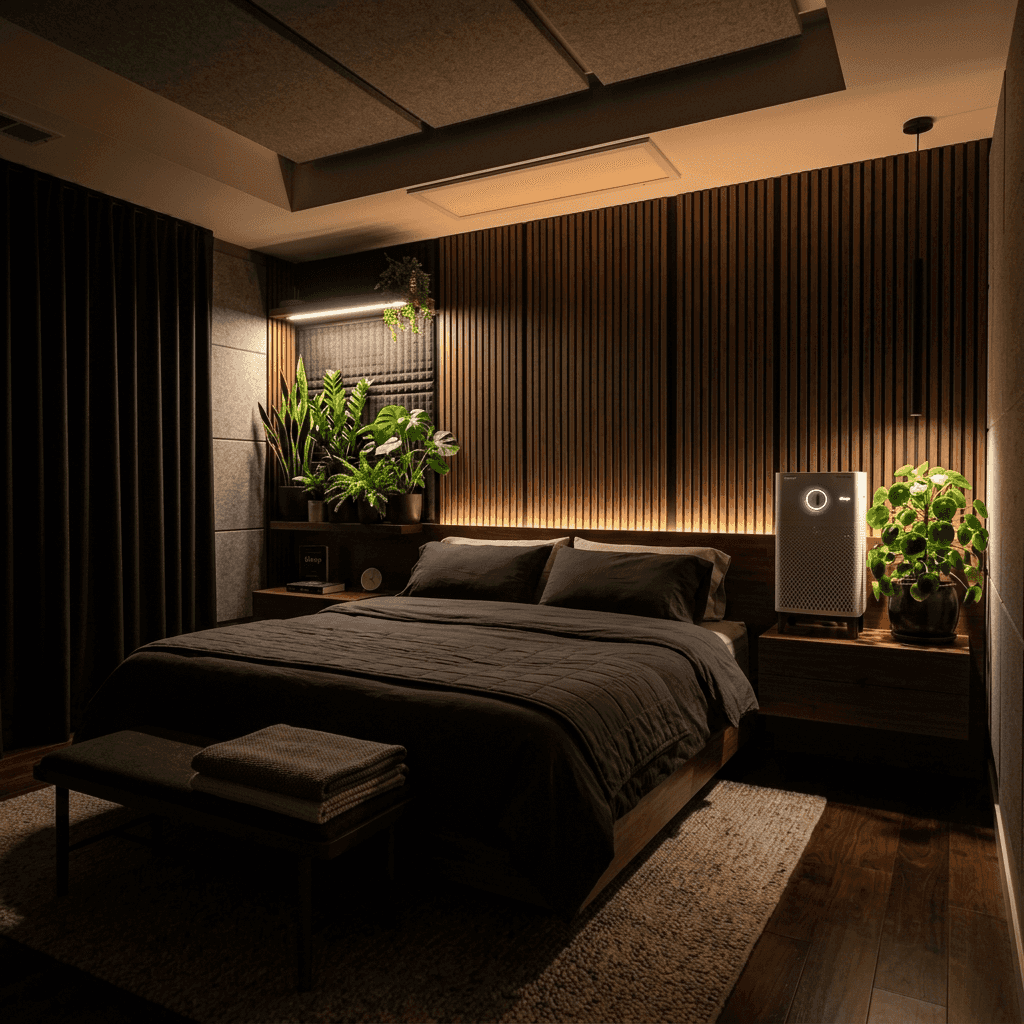
Prioritizing sleep habits that maximize deep sleep (a cool, dark room, consistent sleep-wake timing, avoiding late-night eating and alcohol) directly supports glymphatic function. That creates a neurochemical environment with lower inflammation and better energy availability, which enables the intense synaptic remodeling, protein synthesis, and receptor trafficking needed for LTP, downscaling, and memory consolidation. Deep sleep is both the engine of plasticity and the cleanup crew that keeps it running.
| Intervention | Mechanism | Impact on Sleep Plasticity |
|---|---|---|
| Cool Sleep Environment (18-20°C) | Facilitates core temperature drop; activates BAT | Increases slow-wave sleep duration and glymphatic clearance |
| Magnesium L-Threonate | Crosses BBB; elevates CSF magnesium; NMDA modulation | Enhances synaptic density and LTP during sleep |
| Glycine (3g before bed) | Peripheral vasodilation; inhibitory neurotransmitter | Reduces sleep onset latency; increases SWS continuity |
| Resonant Frequency Breathing | Stimulates vagus nerve; enhances HRV | Promotes parasympathetic tone; improves sleep quality |
Practical protocols for enhancing sleep-dependent learning
Here's how to turn the neurobiology into daily habits. These protocols, organized by goal, aim to maximize nocturnal neuroplasticity and speed up skill building.
Prioritize Sleep Consistency
Keep a consistent sleep-wake schedule (±30 min) every day, weekends included. This stabilizes circadian rhythms and optimizes NREM/REM cycles.
Strategic Napping (90 min)
Add a full 90-minute nap (one complete sleep cycle) after intensive learning. This gives a strong boost to spindle-dependent memory consolidation.
Magnesium L-Threonate
Elevating brain magnesium enhances NMDA receptor-dependent plasticity. 144 mg elemental Mg as Magtein® in the morning supports synaptic function and learning capacity.
Avoid REM Suppressors
Cut out alcohol and THC, especially on nights after intensive learning. Both suppress REM and harm creative consolidation.
Optimize Sleep Environment
Complete darkness, cool room (18–20°C / 64–68°F), minimal noise. These conditions promote sustained deep sleep and glymphatic clearance.
Targeted Memory Reactivation
Experiment with pairing a unique scent or sound with learning sessions and replaying it during NREM sleep (with a tracker) to bias memory replay.
Conclusion: sleep is your best cognitive tool
The most important part of learning happens while you're asleep. That's when your brain prunes weak connections, stabilizes what you practiced, and recombines knowledge to generate insight. Missing sleep means giving up the most effective, free cognitive enhancer we have. Not a trade worth making.
Once you understand the mechanics (spindles, ripples, glymphatic clearance) you can structure your nights to do the heavy lifting of skill acquisition. The protocols here aren't complicated. They're just specific. Consistent sleep timing, targeted naps, no alcohol on learning days, maybe some magnesium and a cool room. Basic stuff, but applied with intent.
Tonight, while you're unconscious, your brain will be rehearsing. Protect that process. Tomorrow, you'll be a little better at whatever you're working on.
Peer-Reviewed Clinical Validations & Extended Foundational Reading:
- Sleep and Motor Skill Learning: Walker, M. P., Brakefield, T., Morgan, A., Hobson, J. A., & Stickgold, R. (2002). "Practice with sleep makes perfect: sleep-dependent motor skill learning." Neuron, 35(1), 205-211. Read Study
- REM Sleep and Creative Insight: Wagner, U., Gais, S., Haider, H., Verleger, R., & Born, J. (2004). "Sleep inspires insight." Nature, 427(6972), 352-355. Read Study
- Targeted Memory Reactivation (TMR) Meta-Analysis: Hu, X., Cheng, L. Y., Chiu, M. H., & Paller, K. A. (2020). "Promoting memory consolidation during sleep: A meta-analysis of targeted memory reactivation." Psychological Bulletin, 146(3), 218-244. Read Meta-Analysis
- Synaptic Homeostasis Hypothesis (SHY): Tononi, G., & Cirelli, C. (2014). "Sleep and the price of plasticity: from synaptic and cellular homeostasis to memory consolidation and integration." Neuron, 81(1), 12-34. Read Review
- Sleep Spindles and Memory Consolidation: Mednick, S. C., McDevitt, E. A., Walsh, J. K., et al. (2013). "The critical role of sleep spindles in hippocampal-dependent memory: a pharmacology study." Journal of Neuroscience, 33(10), 4494-4504. Read Study
- Glymphatic System and Brain Health: Nedergaard, M., & Goldman, S. A. (2020). "Glymphatic failure as a final common pathway to dementia." Science, 370(6512), 50-56. Read Review