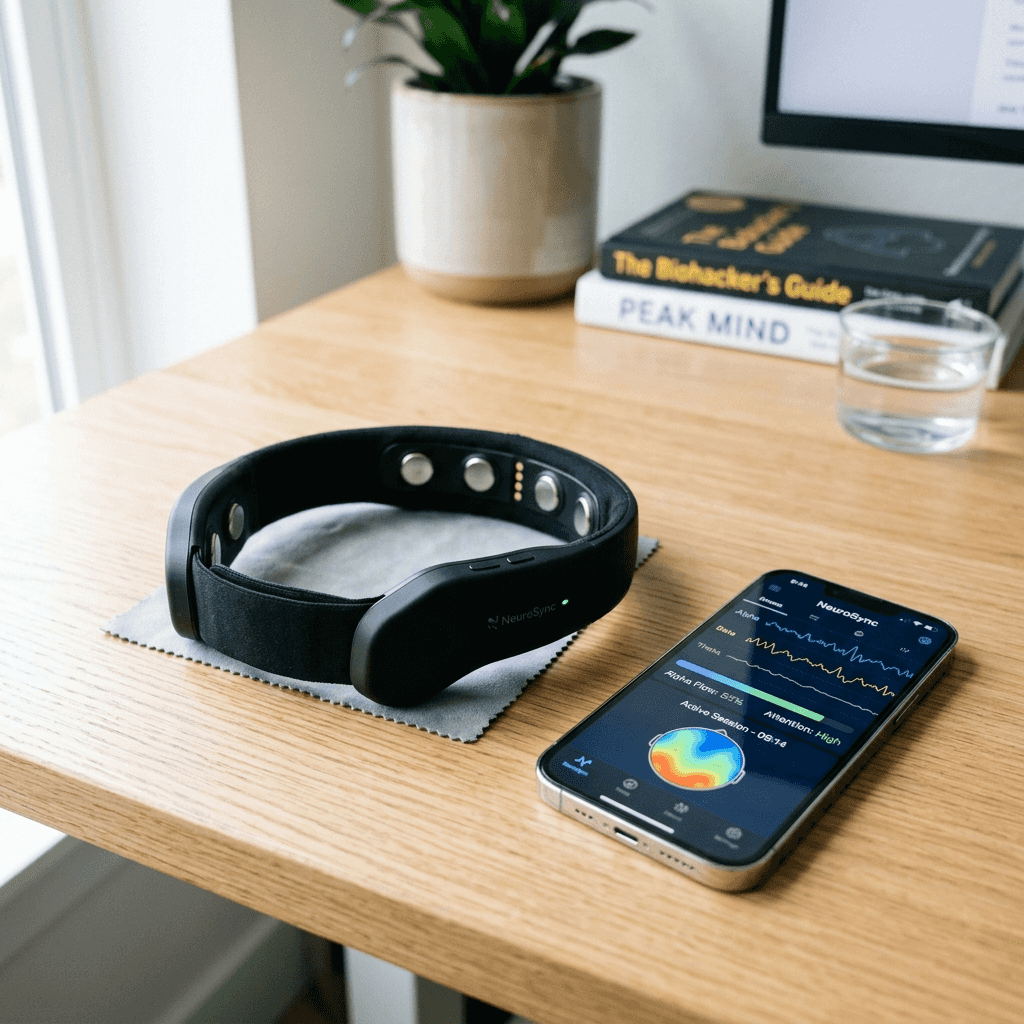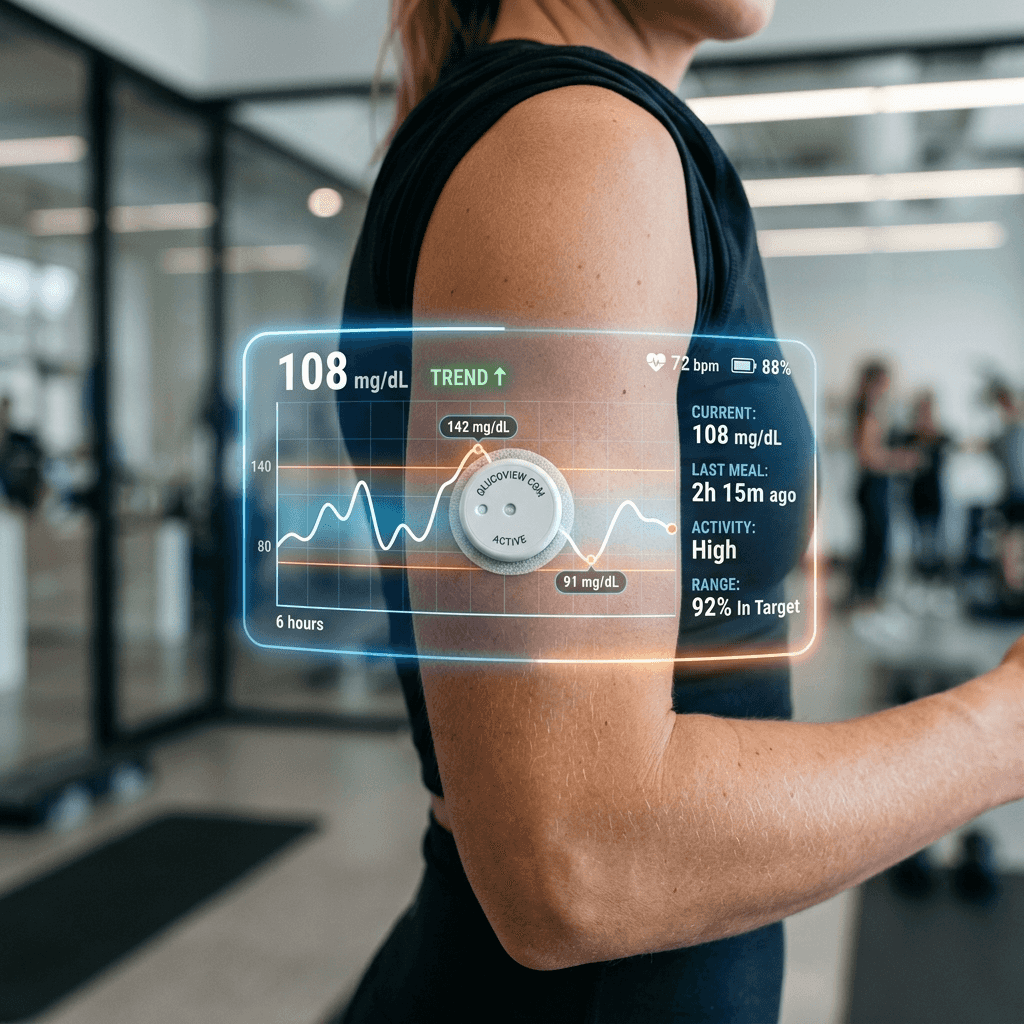
"Stress is no longer an invisible biological variable. Real-time continuous cortisol monitoring exposes the direct hormonal cost of poor sleep, bad lighting, and psychological stressors."
Key Takeaways
-
1.
Subcutaneous Filaments: CCM devices utilize micro-needle filaments inserted in the interstitial fluid to track cortisol concentration dynamics in real time.
-
2.
CAR Mapping: Tracking the Cortisol Awakening Response (CAR) allows biohackers to identify hypothalamic-pituitary-adrenal (HPA) axis dysfunction early.
-
3.
Chronobiology Alignment: Adjusting caffeine intake, high-intensity exercise, and blue light exposure based on your real-time cortisol curve maximizes daily energy.
-
4.
Adrenal Exhaustion Prevention: Detecting flattened cortisol curves or chronic elevations during sleep allows for targeted adaptogenic and lifestyle interventions.
Continuous Cortisol Monitors (CCMs) represent the next major evolution in personalized wellness tracking. Over the past decade, Continuous Glucose Monitors (CGMs) changed how we conceptualize metabolic health by revealing the immediate glycemic cost of our dietary choices. Similarly, CCM patches expose the chemical cost of our stressors in real time. For the first time, biohackers can move past subjective feelings of stress or indirect autonomic nervous system metrics like Heart Rate Variability (HRV) and directly measure the primary biochemical driver of the body's stress response: cortisol. This shift is critical, as chronic, unmanaged stress is a major systemic driver of cellular senescence and age-related tissue degradation, leading to premature aging across all physiological systems, impairing quality of life.
Cortisol, a glucocorticoid hormone synthesized by the adrenal glands, plays a fundamental role in human survival. It regulates blood pressure, glucose metabolism, immune function, and the sleep-wake cycle. However, modern lifestyles keep the body's stress systems continuously activated. Chronic elevation of cortisol levels degrades muscle tissue, suppresses the immune system, promotes visceral fat accumulation, and accelerates cellular aging. Traditional methods of measuring cortisol, such as blood draws, saliva swabs, or 24-hour urine collection, only provide static snapshots. They fail to capture the highly dynamic, pulsatile nature of cortisol secretion, which is why continuous tracking is so revolutionary. By tracking hormone dynamics continuously, biohackers can align their daily activities with their natural biology, avoiding chronic adrenal exhaustion and supporting metabolic equilibrium, preserving cellular healthspan.
The Hypothalamic-Pituitary-Adrenal (HPA) Feedback Loop
To understand the metrics tracked by a CCM, we must look at the biochemistry of the Hypothalamic-Pituitary-Adrenal (HPA) axis. When the brain perceives a stressor (whether physical, biological, or emotional), the hypothalamus secretes Corticotropin-Releasing Hormone (CRH). This hormone signals the anterior pituitary gland to release Adrenocorticotropic Hormone (ACTH) into the blood. ACTH travels to the adrenal glands, stimulating the cortex to synthesize and release cortisol. Once cortisol is in circulation, it binds to glucocorticoid receptors (GR) and mineralocorticoid receptors (MR) across multiple tissues, orchestrating the 'fight or flight' response, shifting the body's resources toward survival mechanisms and away from maintenance and repair.
Under healthy conditions, this system is regulated by a negative feedback loop. Free cortisol binds to receptors in the hypothalamus and pituitary, shutting down the secretion of CRH and ACTH, bringing the body back to baseline. However, chronic stress causes the HPA axis to be continuously stimulated, leading to glucocorticoid receptor resistance. Receptors in the brain lose sensitivity, meaning the HPA axis fails to shut down, causing cortisol levels to remain elevated. This prolonged elevation leads to systemic health issues, including hypertension, cognitive decline, and chronic metabolic dysfunction. CCM tracking allows biohackers to identify this resistance early, before it progresses to HPA axis burnout. It exposes the dynamic failures of this loop, showing if the system is taking too long to return to baseline after a stressor.
Furthermore, glucocorticoid receptor resistance has profound effects on neural tissues. The hippocampus, which is the brain's primary center for learning and memory formation, has a high density of glucocorticoid receptors. Chronic exposure to high cortisol levels leads to neurotoxicity in this region, damaging dendrites and reducing neurogenesis. This results in brain fog, memory impairment, and an increased risk of cognitive decline. By tracking cortisol spikes in real time, biohackers can introduce adaptogens or neural wind-down protocols before HPA axis strain leads to structural damage in the brain. Glucocorticoid receptor phosphorylation is also altered under chronic stress, preventing the translocation of the receptor to the nucleus, halting gene expression protocols that support cellular recovery.
Suprachiasmatic Nucleus (SCN) Circadian Control
The HPA axis is heavily synchronized with the brain's central clock, the suprachiasmatic nucleus (SCN) of the hypothalamus. The SCN regulates circadian rhythms by sensing light exposure through the retinohypothalamic tract. In the morning, the SCN triggers a cascade that increases ACTH sensitivity in the adrenal cortex, facilitating the Cortisol Awakening Response (CAR). This CAR peak prepares the body for activity by increasing blood pressure, heart rate, and mobilizing blood glucose. If blue light exposure is dysregulated at night, the SCN signals the adrenals through sympathetic neural projections, causing cortisol spikes during sleep, fragmenting your rest.
Moreover, the adrenal gland has its own autonomous clock genes, such as CLOCK and BMAL1, which function independently of the central SCN. These local clock genes modulate sensitivity to ACTH throughout the day. When chronic stress disrupts this local clock, the adrenal cortex can hyper-react to minor fluctuations in ACTH, causing random cortisol spikes that disrupt sleep and energy stability. CCM tracking reveals whether your SCN and peripheral adrenal clocks are in phase, helping you time light exposure, cold therapy, and adaptogenic protocols to resynchronize these vital timing pathways.
CCM vs. Saliva and DUTCH Diagnostics
Traditional functional medicine relies on saliva and dried urine tests to measure cortisol. A standard saliva test requires the patient to spit into a tube four or five times a day (waking, noon, afternoon, and night). While this tracks the general diurnal curve, it misses the short-term fluctuations. For example, if a patient experiences a stressful meeting at 10:00 AM, a saliva test taken at noon may show normal levels, completely missing the acute hormonal spike. Saliva testing is also susceptible to user error, as food intake, gum bleeding, and exercise can alter the sample results.
Another advanced option is dried urine testing (such as the DUTCH test), which measures cortisol metabolites (tetrahydrocortisol and tetrahydrocortisone) to calculate total cortisol production and clearance rates over a 24-hour period. While the DUTCH test provides valuable data on HPA axis clearance pathways, it is still a retrospective, static measurement. It cannot provide immediate bio-feedback. You cannot use it to see if a box breathing session or cold plunge immediately lowered your stress hormones. CCM bridges this gap, providing the immediate, continuous data of saliva testing with the metabolic insights of continuous tracking, giving biohackers a complete view of their hormonal health.
How Continuous Cortisol Biosensors Work
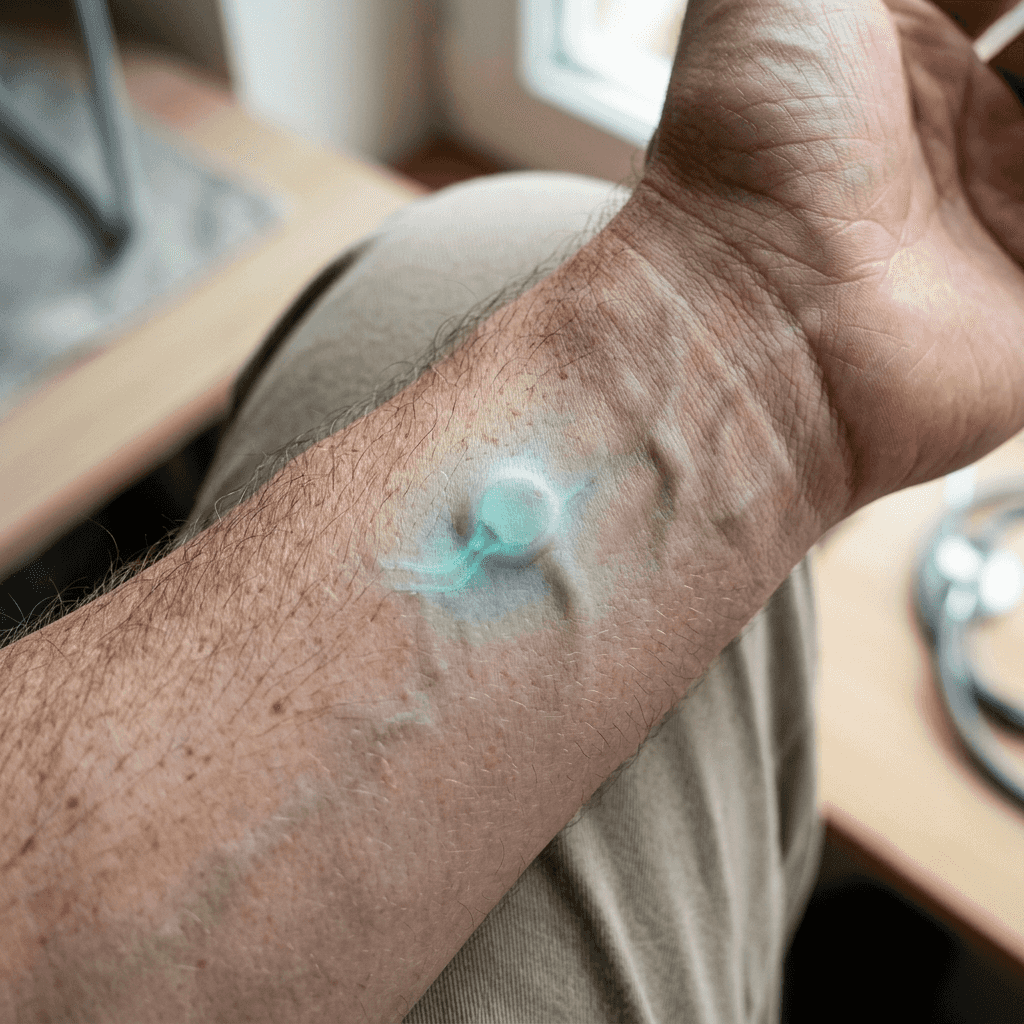
Continuous cortisol monitors rely on electrochemical biosensing technology. The device consists of a small wearable patch, about the size of a coin, that applies a micro-needle filament into the subcutaneous tissue. This filament does not reach blood vessels; instead, it accesses the interstitial fluid—the fluid that surrounds cells. Because cortisol molecules in blood equilibrate rapidly with the interstitial fluid, measuring interstitial concentration provides a highly accurate reflection of circulating active cortisol levels, with a slight lag of about 15 minutes. This lag is a result of the time it takes for hormones to diffuse from capillaries into the surrounding interstitial tissues.
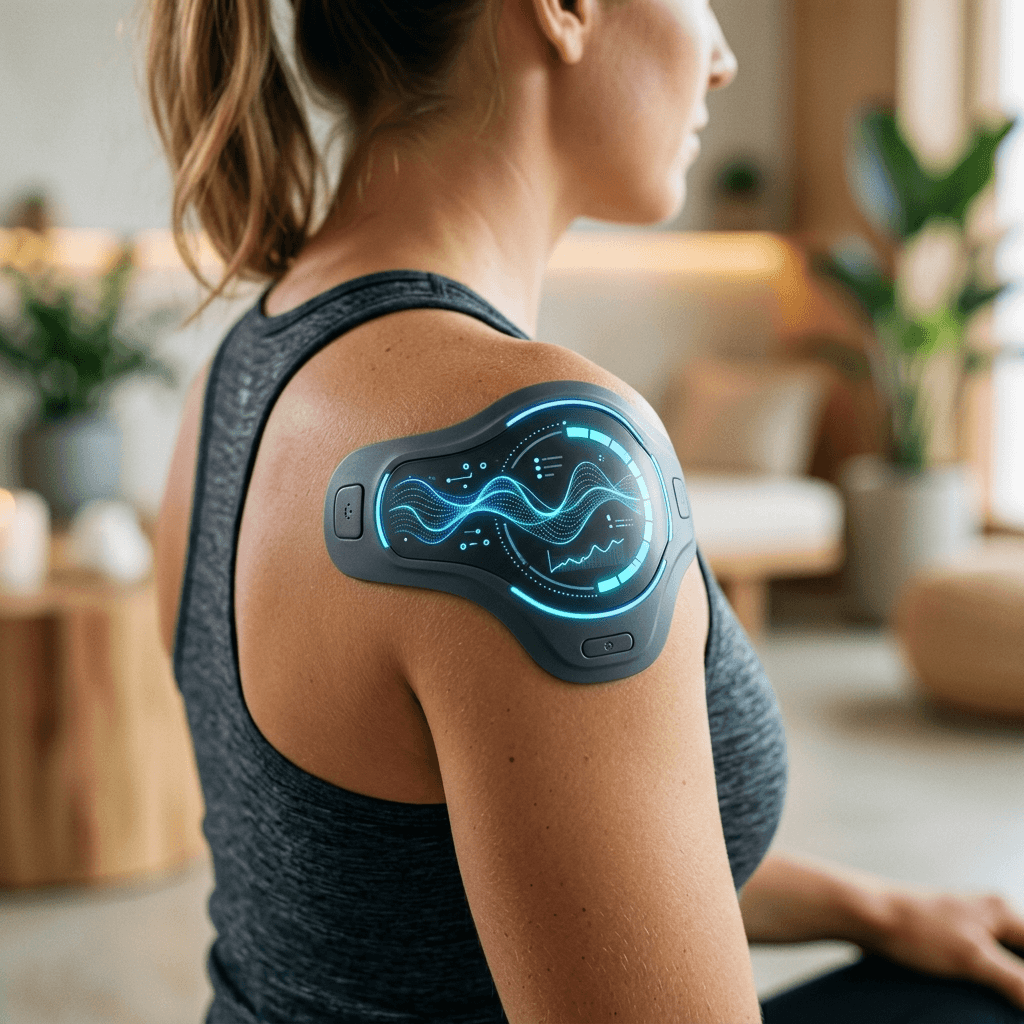
The filament is coated with specialized bioreceptors, typically monoclonal antibodies or synthetic DNA/RNA aptamers designed to selectively bind to cortisol molecules. When a cortisol molecule binds to the receptor, it triggers a measurable change in electrical current or impedance. An integrated transmitter on the patch processes these micro-signals and sends the data via Bluetooth to a mobile application. This app translates raw current values into a continuous, real-time stress graph, allowing users to trace hormonal fluctuations as they occur. Aptamer-based sensors are particularly stable, as they resist chemical degradation from bodily fluids, ensuring accuracy over the sensor's 14-day lifespan.
Biohacker Pro-Tip: Caffeine and the CAR Peak
Delay caffeine consumption by 90 to 120 minutes post-waking. Your body undergoes a natural 38-50% cortisol surge called the Cortisol Awakening Response (CAR) to wake you up. Introducing caffeine during this peak blunts natural CAR adaptation, spikes systemic anxiety, and leads to an afternoon energy crash. Wait until the CAR curve begins to decline.
Circadian Rhythms and HPA Axis Diagnostics
Under healthy conditions, cortisol secretion follows a strict circadian diurnal rhythm. Levels rise sharply in the morning, peaking approximately 30 to 45 minutes after waking (the Cortisol Awakening Response), then steadily decline throughout the day, reaching their lowest point around midnight. This cycle coordinates sleep pressure, metabolic preparation, and systemic immune modulation. Chronic stress disrupts this rhythm, causing the HPA axis to become dysfunctional, which can be monitored and diagnosed with a CCM device, guiding lifestyle modifications.
Continuous tracking exposes three main types of HPA axis dysregulation. First is a flattened diurnal curve, where morning cortisol is abnormally low and levels fail to decline during the day, indicating adrenal fatigue or chronic stress exhaustion. Second is elevated nocturnal cortisol, where levels spike during sleep, disrupting slow-wave deep sleep and triggering insulin resistance. Third is a blunted or exaggerated CAR, which correlates with chronic anxiety, clinical burnout, or systemic inflammatory issues. Identifying these patterns allows biohackers to apply targeted therapies rather than generic stress relief protocols, aligning their lifestyle with their specific biological needs.
Adrenal Fatigue and Sleep Optimization
Nocturnal Sleep Protection
Cortisol and melatonin operate in an inverse relationship. If you consume caffeine late, read stressful emails, or undergo intense exercise before bed, cortisol spikes, suppressing melatonin secretion and preventing slow-wave deep sleep. CCM tracks this nocturnal spike, allowing you to establish a strict wind-down routine.
Furthermore, elevated nighttime cortisol triggers hepatic gluconeogenesis—causing the liver to release glucose into the bloodstream. This leads to morning insulin resistance and elevated waking glucose, even if you are on a strict low-carbohydrate diet. This metabolic mismatch is a key driver of stubborn visceral fat accumulation, and blocks the glymphatic detoxification process that clears brain waste during sleep. Specifically, high nocturnal cortisol suppresses the slow-wave delta oscillations and sleep spindles characteristic of stage 3 non-REM sleep, which prevents physical recovery.
Adrenal Resiliency Training
Adrenal fatigue is characterized by a flat cortisol curve where the body loses its response capacity. Using CCM, you can monitor how your HPA axis responds to stressors and track the recovery rate. This allows you to apply targeted adaptogens like Ashwagandha and Rhodiola Rosea to rebuild adrenal output, monitoring progress over weeks.
It also guides exercise scheduling. High-intensity interval training (HIIT) causes massive cortisol spikes. By viewing your CCM graph, you can avoid doing intense sessions on days when your baseline morning cortisol is already depleted, protecting your muscles from catabolism and supporting systemic recovery, preventing structural injury and supporting muscle mass maintenance.
Metabolic Consequences of Hypercortisolemia
Prolonged high cortisol levels, or hypercortisolemia, have severe metabolic consequences. Cortisol is a catabolic hormone; its function is to free up stored energy to fuel the 'fight or flight' response. To do this, it breaks down muscle tissue into amino acids, which are then converted to glucose in the liver. Under chronic stress conditions, this leads to muscle wasting (sarcopenia) and continuous hyperglycemia, which in turn leads to chronic insulin elevation. This hormonal combination makes fat loss nearly impossible, as insulin prevents lipolysis (the breakdown of fat cells) and cortisol promotes the storage of visceral fat.
Visceral fat cells (the fat stored around organs in the abdominal cavity) have a higher density of glucocorticoid receptors compared to subcutaneous fat. When cortisol is chronically elevated, it activates lipoprotein lipase (LPL), an enzyme that promotes fat storage, specifically targeting visceral fat deposits. Furthermore, cortisol suppresses leptin (the satiety hormone) and increases ghrelin (the hunger hormone), triggering intense cravings for energy-dense, sugary foods. By using a CCM alongside a CGM, biohackers can observe these hormonal-metabolic interactions, adjusting their routines to lower stress and metabolic dysfunction, preventing metabolic syndrome.
Stress and Immune Suppression (The NF-kB Pathway)
Another critical aspect of hypercortisolemia is its impact on the immune system. In the short term, cortisol acts as an anti-inflammatory agent by blocking the NF-kB (Nuclear Factor Kappa B) pathway—the master switch for inflammatory cytokine production. This is why doctors prescribe synthetic glucocorticoids like prednisone for autoimmune flare-ups. However, chronic elevation of cortisol causes immune cells to develop resistance to glucocorticoids. The immune cells down-regulate their receptors, meaning cortisol can no longer control the inflammatory response.
This receptor down-regulation leads to chronic, low-grade systemic inflammation, often referred to as "inflammaging." Inflammaging is a major driver of age-related diseases, including cardiovascular disease, neurodegeneration, and joint degradation. Chronic cortisol exposure also suppresses secretory IgA (sIgA)—the primary antibody that protects the gut lining and respiratory tracts. This weakens mucosal immunity, leaving the body susceptible to pathogens and leaky gut syndrome. Real-time CCM tracking exposes the hormonal patterns that lead to this state, helping biohackers take steps to restore HPA axis balance and protect their immune system. By keeping a log of high stress events, users can map somatic inflammation trends before they materialize as clinical symptoms.
Adrenaline and Cortisol Synergies
It is important to understand that cortisol does not act in isolation. Under acute stress, the adrenal medulla releases catecholamines—epinephrine (adrenaline) and norepinephrine. Epinephrine increases heart rate and blood pressure, preparing the body for immediate movement, while norepinephrine shifts blood flow toward skeletal muscles. Cortisol acts in synergy with these catecholamines, prolonging their effects. Cortisol increases vascular sensitivity to norepinephrine, meaning blood vessels constrict more easily under stress, raising systemic arterial pressures.
However, while catecholamine clearance is rapid (epinephrine is cleared within minutes), cortisol remains elevated for hours. Epinephrine spikes are helpful for high power output during exercise, but if cortisol levels are already high, the combination causes excessive vascular and neural strain. Real-time CCM tracking tells you if your baseline cortisol has returned to normal after an intense exercise session, ensuring that you do not stack acute catecholamine stress on top of chronic glucocorticoid load, maintaining autonomic balance.
Integrating CCM with Adaptogens and Breathwork
Continuous cortisol monitoring closes the loop on stress reduction techniques. Many biohackers practice meditation, box breathing, or take adaptogenic supplements without knowing if these protocols are actually working. With a CCM patch, you can view the physiological impact of these techniques within minutes. For instance, executing a 5-minute physiological sigh protocol (two quick inhalations followed by a long exhalation) stimulates the vagus nerve and causes a visible drop in interstitial cortisol levels. This direct bio-feedback transforms stress management from a theoretical practice into a verifiable chemical science, helping to customize recovery protocols.
Supplements can also be titrated based on direct bio-feedback. You can measure how adaptogens like Ashwagandha (withanolides), Holy Basil, or L-Theanine affect your daily cortisol curves. If you experience high nocturnal cortisol spikes, taking Ashwagandha with dinner can be verified as effective if your nighttime cortisol baseline drops. The active withanolides in Ashwagandha act as structural mimics of cortisol, binding to glucocorticoid receptors in the brain and HPA axis to down-regulate endogenous ACTH secretion, which can be chemically verified on your smartphone screen, ensuring targeted, effective supplementation, avoiding metabolic and muscular breakdown.
Stress Biomarkers Compared
| Wearable Metric | Method of Measurement | Direct Biological Target | Limitations |
|---|---|---|---|
| Continuous Cortisol Monitoring (CCM) | Electrochemical microneedle patch | Interstitial glucocorticoid levels (Hormonal stress response) | Slight lag time (15 mins) behind blood levels |
| Heart Rate Variability (HRV) | Optical PPG (infrared heart tracking) | Autonomic nervous system balance (RMSSD) | Highly sensitive to motion, digestion, and position |
| Galvanic Skin Response (GSR) | Skin conductance sensors | Sympathetic sweat gland activation (Acute arousal) | Only measures immediate responses, not chronic load |
| Continuous Glucose Monitoring (CGM) | Subcutaneous enzyme filament | Interstitial glucose concentration (Metabolic energy) | Glucose spikes can be driven by diet or stress |
Future Consumer Wearable Landscape
Major medical device manufacturers are racing to launch consumer CCM patches. By combining glucose, lactate, and cortisol sensors onto a single multi-analyte patch, the next generation of wearables will provide a comprehensive, real-time map of human performance. These devices will automatically guide users on what foods to eat, when to sleep, how hard to train, and when to prioritize nervous system recovery, bringing us closer to a fully optimized biological existence. This integration marks the transition of wearables from reactive trackers into proactive wellness co-pilots, rewriting consumer medical technology, ensuring long-term systemic longevity and structural vitality.
Peer-Reviewed Clinical Validations & Extended Deeper Reading:
- Cortisol Diurnal Mechanics: Kirschbaum et al. (1993). "The 'Trier Social Stress Test' - A tool for investigating psychobiological stress responses". Neuropsychobiology. Discusses HPA axis response curves under stress. Leer el estudio Clínico
- Cortisol Awakening Response: Clow et al. (2004). "The Cortisol Awakening Response: More than a measure of HPA axis reactivation". Psychoneuroendocrinology. Analyzes physiological role of morning cortisol spikes. Leer el estudio Clínico
- Biosensor Engineering: Russell et al. (2012). "Continuous interstitial cortisol monitoring using an enzymatic micro-sensor". Biomicrofluidics. The clinical prototype validation of wearable cortisol needles. Leer el estudio Clínico
- Aptamer Biosensing Tech: Sanghavi et al. (2016). "Aptamer-based electrochemical sensor for real-time cortisol detection". Biosensors and Bioelectronics. Reviews molecular mechanisms of real-time hormone tracking. Leer el estudio Clínico
- Nocturnal Cortisol & Sleep: Späth-Schwalbe et al. (1991). "Cortisol suppresses slow-wave sleep in humans". Journal of Clinical Endocrinology & Metabolism. Proves direct link between high evening cortisol and poor sleep quality. Leer el estudio Clínico