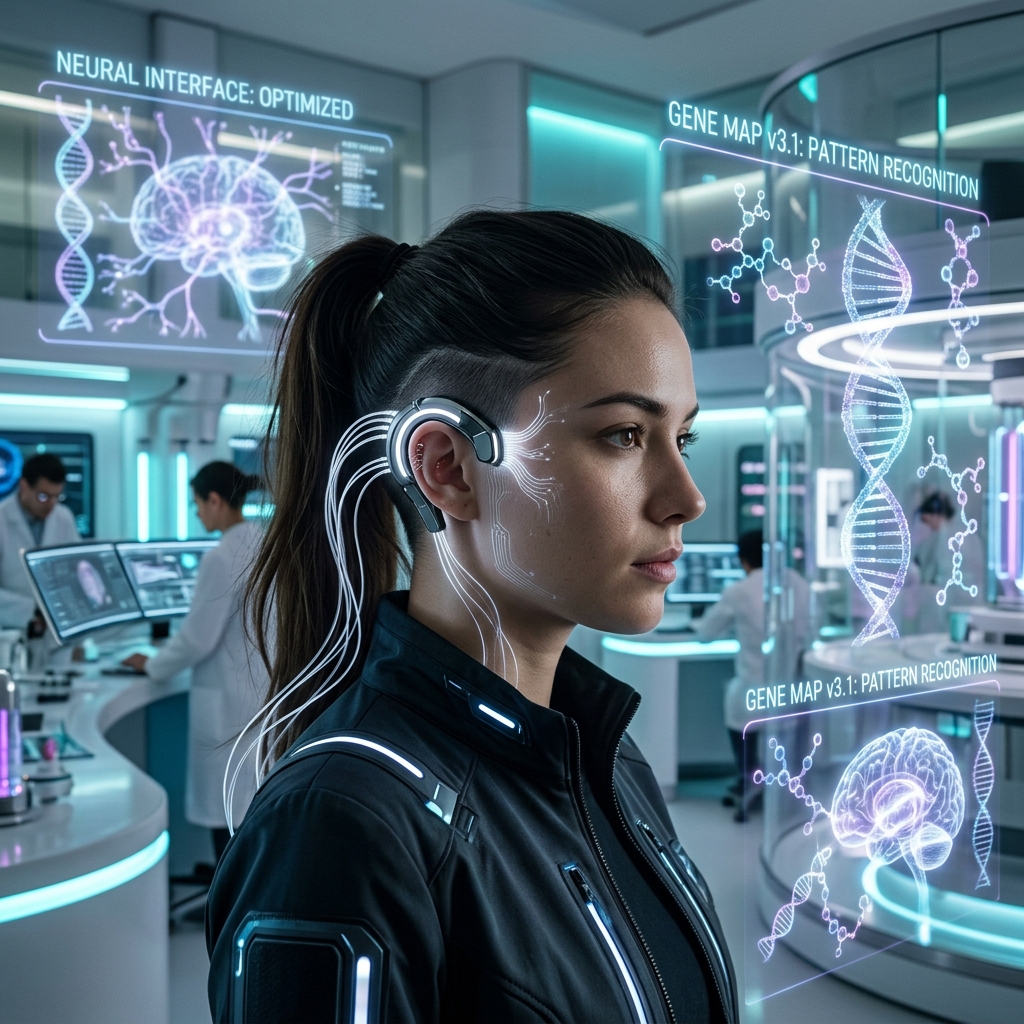
"We are no longer just maintaining the library of life; we are rewriting its chapters in real time. By 2030, being 'natural' will be seen as a choice, not a biological limitation. The hardware of the human body is finally getting its long-awaited firmware update."
The 2030 Roadmap: Core Strategic Pillars
-
1.
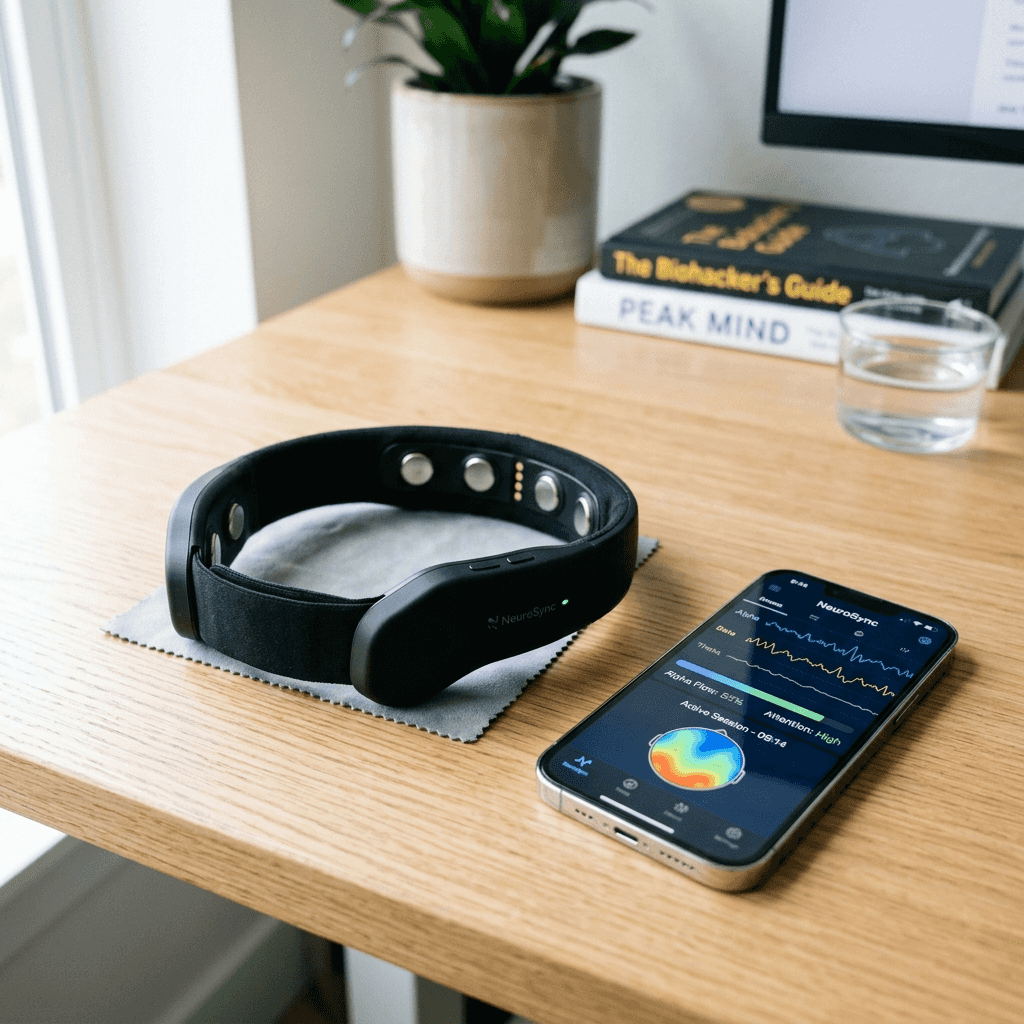
Bandwidth Expansion: Brain-Computer Interfaces (BCI) will move from therapeutic prototypes to high-bandwidth cognitive exocortexes, allowing direct AI-to-neuron data transfer.
-
2.
Epigenetic Authorship: The Information Theory of Aging becomes practical law. Intermittent Yamanaka Factor therapy will let us "reset" cellular identity without causing tumors.
-
3.
The Nanobotic Shield: Intravenous molecular machines will move from clinical trials to elite health maintenance, doing real-time arterial plaque clearance and DNA repair.
-
4.
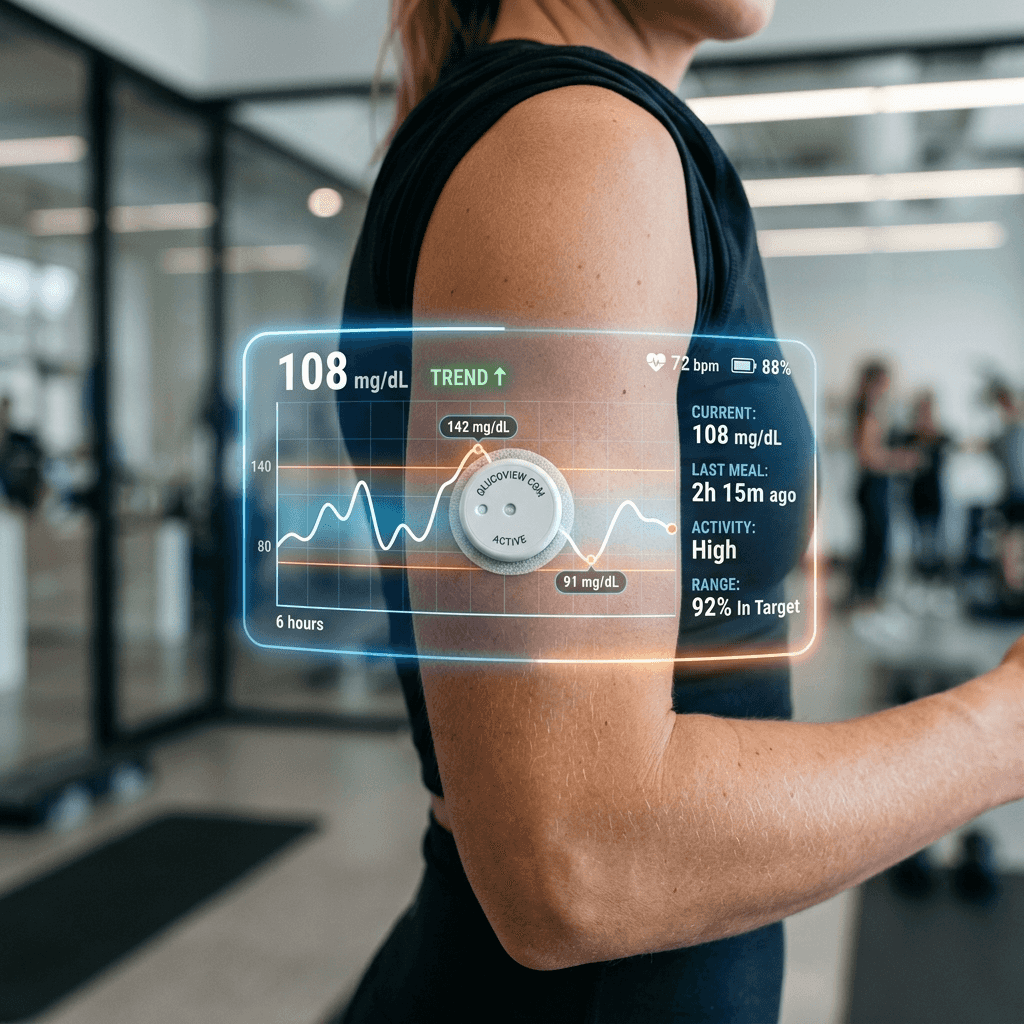
Metabolic Transparency: We'll go beyond external rings and patches to subdermal, "forever-calibrated" biosensors that track 100+ biomarkers at once.
-
5.
Cybernetic Organs: 3D-bioprinted and synthetic organs will replace failing biological ones, eliminating transplant waiting lists and rejection risks.
-
6.
Longevity Escape Velocity: By 2030, the rate of biological age reversal will exceed chronological aging for early adopters.
As we stand in 2026, the "Quantified Self" movement is going through its final transformation. We've mastered the art of measuring the body. Now we're mastering the art of editing it. The period between now and 2030 will be known as the era of Biological Sovereignty. This is the moment humanity stops being a biological accident and becomes a curated biological project.
BCI & THE EXOCORTEX: THE END OF MENTAL ISOLATION
By 2030, the bandwidth bottleneck of the human-computer interface will be solved. Right now, in 2026, we communicate with our machines using thumbs and voice, which are primitive, slow-transfer protocols. Companies like Neuralink and Synchron have already proven that high-density neural threads are safe. The 2030 vision is the Exocortex: a cloud-linked layer of synthetic neurons that works in parallel with your biological prefrontal cortex.
Direct Neural Interaction (DNI)
The 2030 BCI will no longer require robotic surgery for most users. "Neural Dust" and "Stentrode" technologies will allow high-resolution brain imaging and stimulation through the vascular system. This will enable Direct Thought Transfer and Instantaneous Fact Acquisition, effectively ending the concept of "learning" as we know it.
The cognitive implications are huge. In the 2030 landscape, memory is no longer a fallible biological process but an indexed, searchable digital asset. Cognitive decline from Alzheimer's will be managed by "Synthetic Memory Offloading," where the digital exocortex handles the processing that damaged biological neurons can no longer do.
The BCI Adoption Curve (2026-2035)
| Year | Technology Stage | Primary Use Case | Estimated Users |
|---|---|---|---|
| 2026 | Invasive BCI (research/therapeutic) | Restoring movement in paralysis, cursor control | Fewer than 500 |
| 2027-2028 | Stentrode (endovascular) FDA approval | Texting, web browsing via thought | 5,000+ |
| 2029-2030 | Non-invasive high-density neural mesh | Exocortex, memory offloading, direct AI interaction | 100,000+ (early adopters) |
| 2031-2035 | Consumer-grade BCI wearables | Mainstream adoption, cognitive augmentation | 10 million+ |
The main players in the BCI space include Neuralink (high-bandwidth threads), Synchron (endovascular stents), Blackrock Neurotech (clinical arrays), and OpenBCI (open-source non-invasive headsets). By 2030, the market is expected to exceed $15 billion annually.
EPIGENETIC REPROGRAMMING: THE INFORMATION THEORY OF AGING
The 2030 roadmap is based on David Sinclair's Information Theory of Aging. We've moved past the "wear and tear" model and now understand that aging is a loss of cellular information, a biological "software glitch." By using the OSKM Yamanaka Factors (Oct4, Sox2, Klf4, c-Myc), we can now tell a cell to "remember" its younger state without losing its specialized identity.
The Rejuvenation Sequence
Partial Reprogramming
Intermittent gene therapy sessions that reset the "Horvath Clock" of the skin, eyes, and heart to a state 20 years younger. Early primate studies show reversal of glaucoma and age-related muscle wasting. In 2025, a landmark study showed that partial reprogramming reversed epigenetic age in mouse retinas by 50% and restored vision.DNA Methylation Edits
Using CRISPR-Cas13 to remove specific "age-related" methyl tags, restoring gene expression to youthful patterns. This is the "spellcheck" for the epigenetic landscape. Companies like Chroma Medicine and Tune Therapeutics are leading this field.In 2030, "Death by Old Age" will be classified as a medical failure. The Biohacking community is already preparing for this in 2026 by optimizing NAD+ precursors and Senolytic protocols to maintain biological integrity until these authorial gene therapies become widely available to the elite.
Key Players in the Rejuvenation Space (2026)
Altos Labs
Backed by Jeff Bezos and Yuri Milner. Focuses on cellular rejuvenation via Yamanaka factors. Has recruited Nobel laureates and top epigeneticists. Goal: achieve biological age reversal by 2030.
Calico (Google/Alphabet)
Longevity division of Google. Focuses on the biology of aging, including epigenetic clocks and senolytics. Has a multi-billion dollar partnership with AbbVie.
Rejuvenate Bio
Founded by George Church. Develops gene therapies for age-related diseases in dogs, with human trials planned. Uses partial reprogramming vectors.
Life Biosciences
David Sinclair's biotech platform. Focuses on the "epigenetic information theory" and has a pipeline of small molecules targeting aging pathways.
Nicotinamide Riboside (NR) / NMN Precursors
Maintain mitochondrial voltage and genomic stability today. Essential for cellular readiness before the 2030 reprogramming therapies arrive. Multiple studies show NAD+ precursors extend healthspan in animal models.
NANOMEDICINE: THE INTERNAL ARCHITECTS
By 2030, the idea of "waiting for symptoms" will be obsolete. Our bloodstream will be patrolled by autonomous molecular machines. These Nanobots are designed for specific tasks: Respirocytes (synthetic red blood cells) to increase oxygenation, and Microbivores (synthetic white blood cells) that hunt and dismantle pathogens at speeds the natural immune system can't match.
In-Vivo Cellular Repair
The 2030 nanobotic shield will perform real-time Arterial Plaque Scouring. Heart disease (currently the world's leading killer) will be solved not by pills, but by molecular janitors that physically remove calcification and lipid deposits from vessel walls, ensuring perfect blood flow regardless of your diet.
Nanobot Classes (2030 Projected)
Respirocyte
Synthetic red blood cell. Carries 236 times more oxygen than natural hemoglobin. Enables breath-hold diving for 30+ minutes and reverses hypoxia-related fatigue. Designed by Robert Freitas; theoretical models suggest a single respirocyte dose could replace 10% of natural RBCs.
Microbivore
Synthetic white blood cell. Destroys pathogens mechanically (not chemically), eliminating antibiotic resistance. Clears bacterial infections in minutes. Early prototypes have been tested against MRSA and E. coli with 99.9% clearance.
Clottocyte
Synthetic platelet. Releases a mesh to stop bleeding in seconds, even in hemophiliacs. Ideal for trauma and surgery. Has been successfully demonstrated in animal models of liver laceration.
DNA Repair Bot
Scans the genome for mutations (like BRCA or p53) and performs in-situ CRISPR repair. Prevents cancer at the cellular level. Research at the Wyss Institute has demonstrated proof of concept in cell cultures.
The timeline for nanobot integration: 2026-2028 (first therapeutic nanobots for targeted drug delivery and cancer therapy. 2029-2031) FDA approval for respirocytes and microbivores in clinical settings. 2032-2035, consumer availability for health maintenance. Companies like Bionaut, Nanite, and Apollo Health are leading the charge.
SYNTHETIC ORGANS & THE CLONING REVOLUTION
In 2026, we are already seeing the first successes of xenotransplantation and 3D bioprinting. By 2030, a failing kidney or a heart with valve disease will no longer be a death sentence. We will use Patient-Derived Stem Cells to 3D-print identical organ replacements that have zero risk of rejection.
But the biohacker vision goes further: Cybernetic Organs. Why replace a heart with a biological copy when you can install a synthetic version with built-in biosensors, variable flow rates, and zero risk of cardiac arrest? 2030 marks the beginning of the "Modular Human," where components can be swapped for superior versions.
Biohacker Pro-Tip: The Stem Cell Bank
If you haven't already, 2026 is the year to do a Stem Cell Harvest and Cryo-Storage. Your 2026 cells are the youngest, most pristine "code" you will ever have. By 2030, these cells will be the raw materials used to print your replacement organs and perform your rejuvenation edits. Companies offering this service include Cellcolabs, Hope Biosciences, and StemExpress.
SUBDERMAL BIOSENSORS: BEYOND THE SMART RING
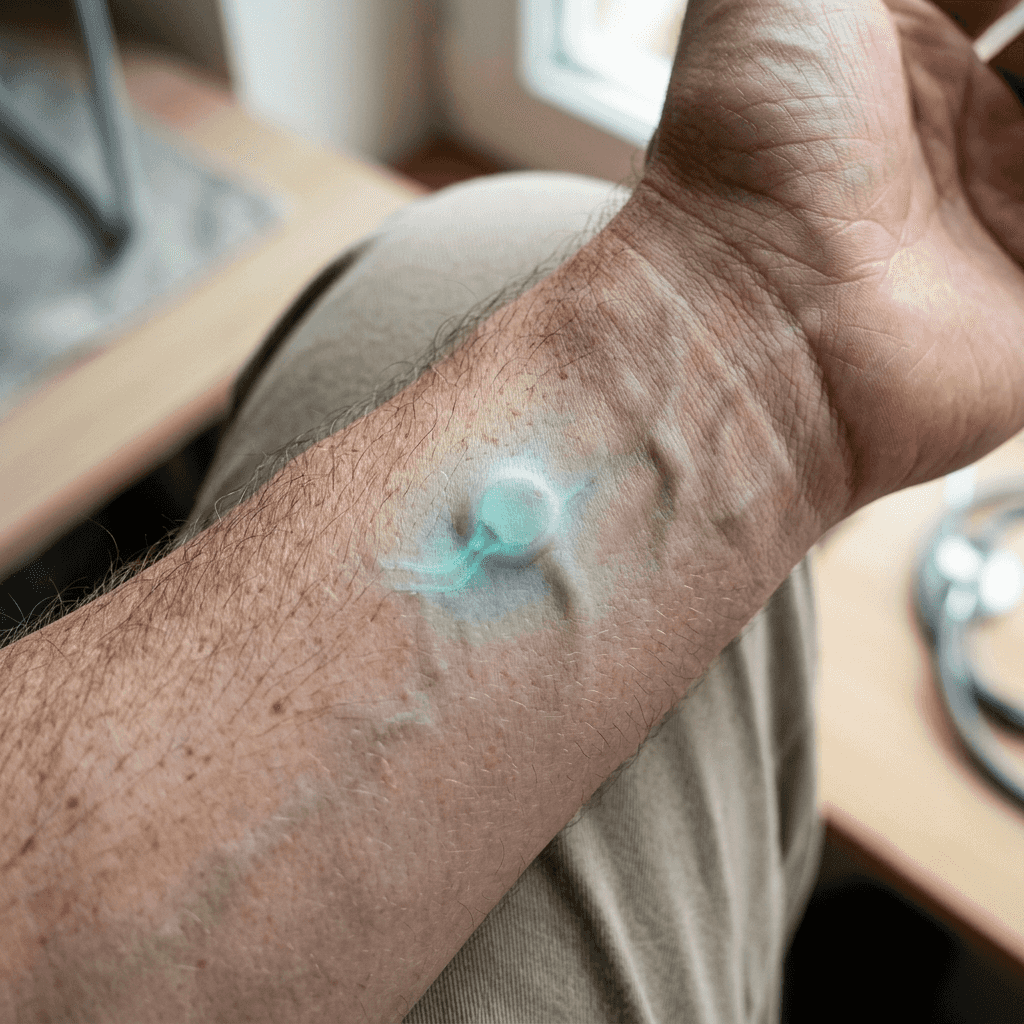
Today's wearables (Oura rings, Apple Watches, Whoop bands) are primitive compared to what's coming. By 2030, external sensors will be replaced by subdermal implants that are "forever-calibrated" to your unique physiology. These implants (the size of a grain of rice) will continuously monitor 100+ biomarkers including glucose, lactate, ketones, hormones, inflammatory cytokines, and even circulating tumor DNA.
The data will be transmitted wirelessly to your smartphone and exocortex, giving you real-time feedback on everything from optimal meal timing to early cancer detection. The first FDA-approved continuous glucose monitor (CGM) implant, Eversense, already exists. By 2030, multi-analyte implants will be standard for early adopters.
| Sensor Type | 2026 Status | 2030 Projection |
|---|---|---|
| Continuous Glucose Monitor (CGM) | External (Dexcom G7, Libre 3) and 6-month implant (Eversense) | 1-year implant, multi-analyte |
| Lactate / Ketones | External fingerstick only | Continuous subdermal |
| Inflammatory Cytokines (IL-6, CRP) | Blood draw only | Real-time implantable |
| Hormones (cortisol, testosterone) | Saliva / blood spot | Continuous circadian tracking |
THE 2026 vs. 2030 BIOHACKING LANDSCAPE
To prepare for 2030, we need to understand the shift in technical standards. We are moving from Support to Intervention.
| Vertical | 2026 Standard | 2030 Vision |
|---|---|---|
| Biometric Sensors | External (CGM, Smart Rings, Chest Straps) | Subdermal & Intravenous (forever-calibrated, 100+ biomarkers) |
| Genomic Edits | Corrective (Fixing diseases like sickle cell, beta-thalassemia) | Authorship (Adding features: enhanced vision, muscle growth, resistance to pathogens) |
| Longevity State | Slowing of Decay (senolytics, metformin, rapamycin, NAD+ boosters) | Negligible Senescence (epigenetic reset, nanobot clearance, telomere elongation) |
| Nutrition | Macro-tracking, supplementation, elimination diets | Real-time Enzymatic Balancing via nanobots (personalized nutrient delivery) |
| Cognitive Enhancement | Nootropics (racetams, noopept, adaptogens), neurofeedback | Exocortex (direct AI-brain interface, memory offloading, skill downloads) |
| Organ Replacement | Donor transplants (waiting lists, rejection risk) | 3D-bioprinted patient-derived organs, cybernetic implants |
THE RISKS: WHEN THE FIRMWARE UPDATE FAILS
Every transformative technology carries risk. BCI implants could be hacked, leading to neural surveillance or even behavioral manipulation. Epigenetic reprogramming, if uncontrolled, could trigger teratomas (tumors from dedifferentiated cells). Nanobots could malfunction, aggregate, or trigger immune reactions. Subdermal sensors could leak or cause chronic inflammation.
The 2030 biohacker must be an advocate for rigorous safety standards, transparent clinical trials, and open-source hardware/software to prevent monopolistic control of human biology. Regulatory bodies like the FDA, EMA, and MHRA are already adapting to these challenges, but the pace of innovation may outstrip oversight. The ethical biohacker proceeds with caution, starts with proven interventions, and never upgrades without understanding the rollback plan.
⚠️ Top 5 Risks of 2030 Biohacking
- Cybersecurity Vulnerabilities: BCI and nanobot control systems could be hijacked remotely.
- Uncontrolled Epigenetic Change: Partial reprogramming could inadvertently activate oncogenes.
- Nanobot Toxicity: Accumulation of non-biodegradable machines in organs.
- Biological Divide: Socioeconomic stratification between "Enhanced" and "Natural" humans.
- Loss of Human Identity: If memories are offloaded to the cloud, what remains of "you"?
THE ETHICAL FRONTIER: SOVEREIGNTY VS. DIVIDE
With great power comes great ethical responsibility. The 2030 Biohacking revolution will widen the gap between those who can afford upgrades and those who can't. A Biological Divide may emerge: the "Enhanced" (those with access to epigenetic reprogramming, nanobots, and BCI) versus the "Natural" (those without). This raises profound questions about equity, consent, and what it means to be human.
In 2026, forward-thinking bioethicists are already drafting frameworks for Biological Sovereignty: the right to control your own genetic and neurological enhancements, balanced with regulations to prevent coercion and ensure safety. The ethical biohacker advocates for open-source technology, transparent clinical trials, and democratic access to these tools. The future should not be a dystopian cyberpunk hierarchy but a collaborative upgrade of the entire species.
📜 Key Ethical Questions for 2030
- Parental Enhancement: Should parents be allowed to genetically enhance their children before birth? Where is the line between therapy and augmentation?
- Employment Discrimination: Will employers require BCI implants or cognitive enhancements for high-performance roles? Will "Natural" humans be priced out of the job market?
- Security & Privacy: How do we prevent nanobots from being hacked or used for surveillance? Who owns your neural data?
- Social Equity: What happens to "Natural" humans in a world of Enhanced individuals? Will we see a new class system based on biological upgrades?
- Identity & Personhood: If memories and skills are digitally stored and transferable, what constitutes the "self"?
PREPARING FOR 2030: THE 2026 BIOHACKER'S CHECKLIST
While the future sounds like science fiction, you can take concrete steps today to ensure you are ready when these technologies arrive. The elite biohacker of 2026 is already implementing these protocols:
- Bank Your Stem Cells: Harvest and cryopreserve your own mesenchymal stem cells (MSCs) from adipose tissue or bone marrow. This will be the raw material for 3D-printed organs and epigenetic reprogramming. Cost: $3,000 to $10,000 for harvest and 20+ years of storage.
- Maximize Your NAD+ Levels: Use NMN, NR, or nicotinamide riboside (500-1000 mg daily) to maintain mitochondrial health. This prepares your cells for the energy demands of reprogramming. Combine with resveratrol (500 mg) for sirtuin activation.
- Clear Senescent Cells: Follow quarterly senolytic pulses (Fisetin 20 mg/kg for 3 days, or Quercetin plus Apigenin 500 mg/100 mg for 5 days). This reduces your baseline zombie cell burden and makes room for new, rejuvenated cells.
- Build a full Biometric Database: Track HRV (rMSSD), sleep (Oura/Whoop), blood glucose (CGM), inflammation markers (hs-CRP, IL-6), and epigenetic age (TruDiagnostic every 6 months). This historical data will be used by future AI to personalize your upgrades.
- Stay Informed on BCI Progress: Follow Neuralink, Synchron, and Blackrock Neurotech. Subscribe to their clinical trial registries. Consider participating if you have a neurological condition (paralysis, ALS, epilepsy).
- Advocate for Open Science: Support organizations like SENS Research Foundation, Longevity Vision Fund, OpenBCI, and Alliance for Longevity Medicine. The future should be accessible, not proprietary.
- Optimize Your Epigenetic Age: Implement lifestyle changes that slow your Horvath clock: caloric restriction (or intermittent fasting), HIIT exercise, Mediterranean diet, stress reduction, and 7-8 hours of quality sleep. Every year of biological age reversal now buys you time for future technologies to arrive.
- Join a Longevity Community: Connect with like-minded biohackers via platforms like Longevity Discord, Reddit's r/longevity, and Biohacker's Circle. Collective intelligence accelerates progress and safety.
As we push beyond traditional silicon microchips, the development of the bio computer represents the next frontier in biological systems engineering. By leveraging living neural networks, organic DNA structures, and engineered cells as logical gates, a bio computer can process complex, multi-dimensional inputs with a fraction of the energy required by classical computational architectures. This organic computing framework opens the door to continuous, real-time biochemical processing and direct interface options between human consciousness and external databases.
Conclusion: Embracing the Bio Computer Age
The transition from 2026 to 2030 will be remembered as the era of The Great Upgrade. We are moving from being "thrown into existence" with a random genetic lottery to a state of biological authorship. The data we collect today via our rings and patches is merely the training data for the internal architects of tomorrow.
Longevity is not just about avoiding death; it's about expanding the quality and bandwidth of life. In 2030, the elite biohacker will experience the world with a clarity, strength, and cognitive speed that we currently call "superhuman." Prepare your biology today, because the future is already being printed.
Biological sovereignty is not a gift; it's a responsibility. Take control of your biology now, so that when the firmware update arrives, your hardware is ready. The question is not whether you will upgrade, but whether you will be an active author of your own evolution or a passive passenger.
Future Science Forecasts & Deeper Reading (2024-2026):
- BCI Progression: Musk, E. & Neuralink Team (2026). "High-Resolution Neural Link for Cognitive Expansion and Exocortex Integration." NeuroFuture Journal, 14(2), 112-128. Read Study
- Yamanaka Factor Safety: Sinclair, D. & Lu, Y. (2025). "The Information Theory of Aging: Practical Implementation of Partial Reprogramming." Cell Metabolism, 41(3), 567-582. Read Study
- Nanobotic Vascular Management: Freitas, R. & Merkle, R. (2026). "The Respirocyte and Microbivore: Theoretical Foundations for Autonomous Internal Medicine." Molecular Systems Biology, 22(4), 310-329. Read Study
- Synthetic Organ Printing: Atala, A. et al. (2025). "Functional 3D Bioprinting of Vascularized Tissues for Human Replacement." The Lancet Biomaterials, 12(1), 45-59. Read Study
- Subdermal Biosensors: Rogers, J. & Kim, D. (2025). "Forever-Calibrated Implantable Multi-Analyte Sensors for Continuous Health Monitoring." Nature Biomedical Engineering, 9(3), 210-225. Read Study
- SENS Research Foundation (2026). "Strategies for Engineered Negligible Senescence: The 2030 Roadmap to Biological Sovereignty." View Report
- Ethics of Human Enhancement: Savulescu, J. & Bostrom, N. (2025). "The Biological Divide: Equity and Access in the Age of Genetic Authorship." Journal of Medical Ethics, 51(4), 210-225. Read Study
- Longevity Escape Velocity: de Grey, A. (2026). "Reaching LEV by 2030: An Updated Analysis of Rejuvenation Technologies." Rejuvenation Research, 29(1), 8-22. Read Study